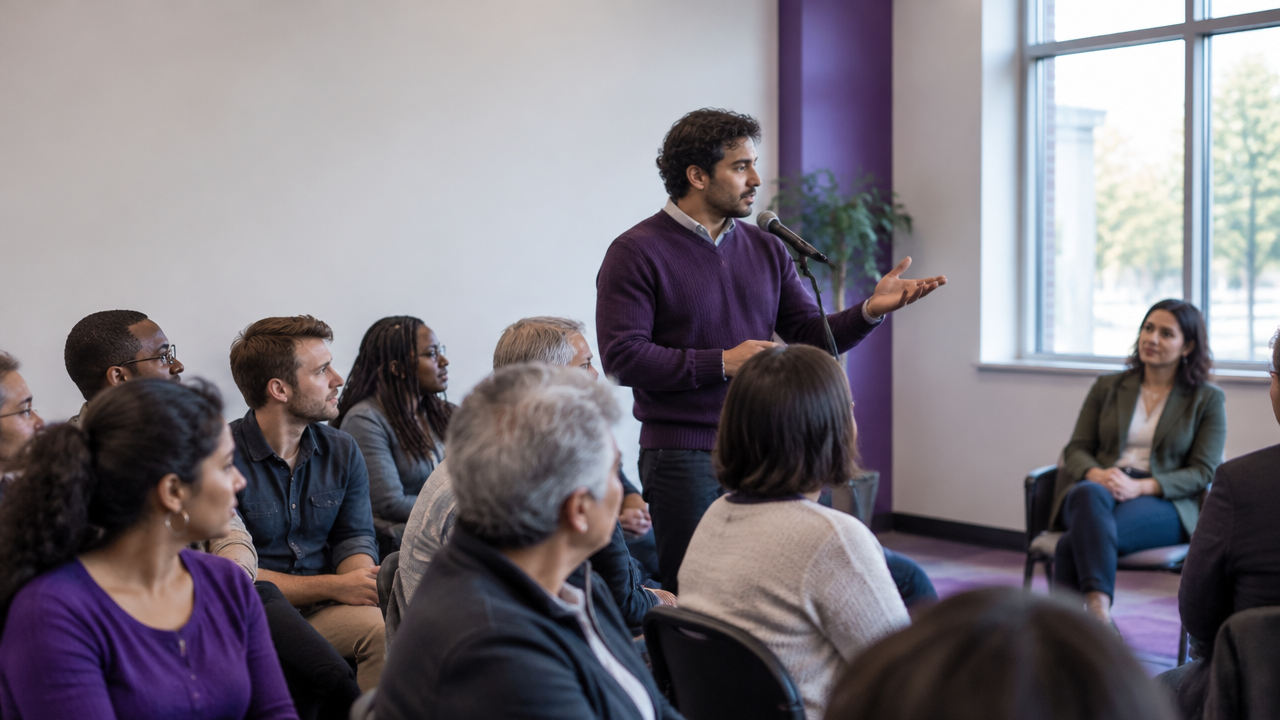

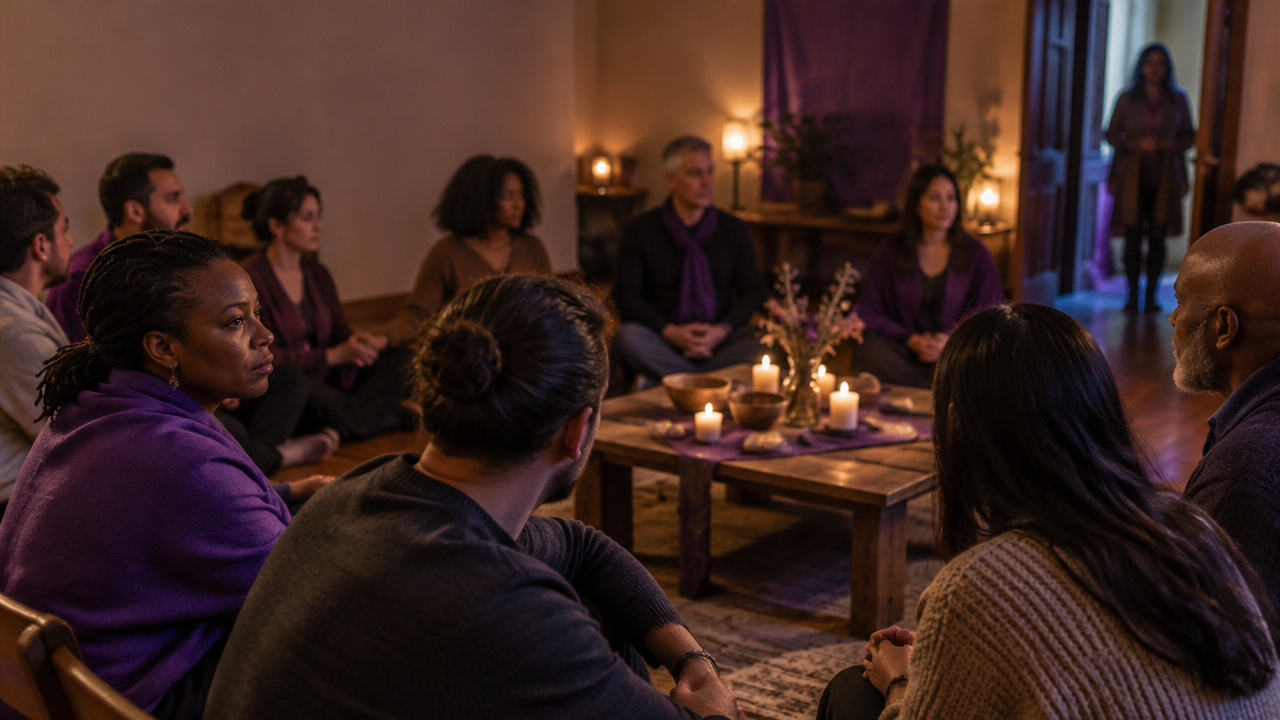
Unspoken fear can reshape community rituals without changing their outward form. A gathering may still look orderly or celebratory while people quietly fear exclusion, judgment, or the consequences of doing something differently. This guide offers twelve possible influences, a way to distinguish belonging from pressure, and practical questions communities can use to make shared practices safer.
Key points to remember
- Hidden fear may influence who participates, what people say, and how strictly a ritual is performed.
- These twelve influences are a practical reflection framework, not a universal or diagnostic checklist.
- A supportive ritual allows meaningful participation, honest emotion, and respectful choice.
- Communities can reduce pressure by asking for feedback and revising practices together.
Four ways fear can change participation and belonging
Fear can turn a shared gathering into a test of loyalty or correctness. The outward practice may remain familiar, but the meaning changes when people feel they must comply to stay accepted.
- Rigid performance: Participants may worry that a small mistake will bring blame, bad luck, or public embarrassment. A flexible tradition becomes a sequence people are afraid to question.
- Compulsory attendance: Showing up can feel less like connection and more like proof of commitment. People who are sick, grieving, uncertain, or simply unavailable may be treated as disloyal.
- Insider and outsider boundaries: Fear of change can make participation rules narrower. A community might treat unfamiliar customs, newcomers, or younger members' adaptations as threats rather than opportunities for conversation.
- Performed emotion: People may display joy, reverence, or grief they do not feel because mixed emotions seem unsafe. The group sees agreement, while individuals conceal uncertainty or sadness.
These patterns do not prove that a ritual is harmful. They are reasons to ask whether people can take part without fear of social punishment. Communities exploring inherited distress may also consider how rituals carry historical emotional pain.
Four ways fear can restrict speech and concentrate authority
When speaking honestly feels risky, silence can become part of the ritual. This may protect a surface appearance of harmony while making it harder to name harm, disagreement, or changing needs.
- Self-censorship: Participants avoid questions about a symbol, rule, or past event because they expect shame or conflict. Important concerns then remain invisible to the group.
- Gossip and informal surveillance: A gathering may become a place to monitor who attends, how they behave, or whether they follow expectations. People learn that others may report their choices.
- Blame displacement: Anxiety about a difficult event can be redirected toward a person or subgroup. Labeling someone as the cause may feel simpler than discussing shared uncertainty, though it can deepen division.
- Concentrated authority: Leaders may present one interpretation as unquestionable, especially when members fear that disagreement will endanger the community. Ritual expertise then becomes a means of control instead of guidance.
These possibilities deserve careful attention, not assumptions about any particular faith or culture. For a related perspective on the difference between collective fear and social trust, consider whether people can disagree and still feel they belong.
Four ways fear can shape memory, repetition, and wellbeing
Fear can also affect how a community remembers the past and imagines the future. Repetition may offer comfort, but it can become burdensome when people believe they have no choice or cannot discuss what the practice brings up.
- Repetition as the only route to safety: A community may insist on exact repetition because change feels dangerous. Consistency can be meaningful, but fear-driven rigidity leaves little room for changing circumstances.
- Overloading symbols with threat: Objects or gestures can become linked to catastrophe or moral failure. That association may increase pressure on participants, particularly when leaders use it to prevent questions.
- Reenacting unaddressed pain: A ritual can renew solidarity, but it may also stir memories of loss, exclusion, or conflict. Without space to respond, some participants may feel compelled to hide their reactions.
- Withdrawal and burnout: People who cannot meet the expectations may quietly stop attending. Their absence can be mistaken for indifference, when it may reflect exhaustion, discomfort, or a need for safety.
These are possible social influences, not a claim that every tradition conceals fear. Communities seeking a more restorative approach can examine practices for emotional repair in groups.
How can a community tell safety from conformity?
A supportive ritual makes room for choice and honest response; a fear-driven one relies on pressure to secure outward agreement. The difference is not whether a practice is old, formal, or emotionally powerful. It is how people are treated when they question it, adapt it, or decline to participate.
- Choice: Can someone observe, step away, or opt out without humiliation?
- Voice: Can participants ask what a practice means and raise concerns respectfully?
- Belonging: Does membership survive disagreement or a missed gathering?
- Care: Are emotional reactions met with curiosity rather than ridicule or blame?
These questions work best as invitations to reflection, not accusations. If fear-related rules are especially visible in workplaces or organized groups, communities can compare them with examples of rituals that reinforce fear.
How to make community rituals more emotionally safe
Communities can lower unnecessary pressure by making expectations understandable and giving participants a role in reviewing them. Change does not require abandoning tradition; it can mean clarifying its purpose and ensuring people are treated with dignity.
- Explain the purpose of each practice and distinguish core meaning from optional details.
- Offer meaningful ways to participate, observe, or decline without public scrutiny.
- Invite feedback privately as well as in group settings, especially from people with less authority.
- Discuss difficult emotions without assuming that one response represents everyone.
- Review the ritual after major changes or conflicts, and agree together on what should be preserved or adapted.
For example, a neighborhood remembrance gathering might retain its shared moment of silence while allowing people to sit apart, leave early, or contribute a written reflection. The goal is not to remove emotion from community life. It is to keep fear from becoming the hidden price of belonging.
Frequently asked questions
What does culture of fear mean?
A culture of fear is a social atmosphere in which people anticipate punishment, exclusion, danger, or humiliation if they question authority or break unwritten rules. In community rituals, it may show up as pressured attendance, silence around difficult topics, or anxiety about performing every step correctly.
What is the role of rituals in psychology?
Rituals can create structure, shared meaning, and a sense of connection. They can also make group expectations visible. Their psychological effect depends partly on whether people can participate freely, understand what is expected, and express discomfort without being shamed or treated as disloyal.
What are some examples of cultural anxieties?
Cultural anxieties are shared concerns about threats to a community's safety, identity, values, or future. Examples might include fear of rapid change, loss of language, discrimination, economic uncertainty, or conflict between generations. These concerns can influence rituals, but no single ritual reveals what a whole culture feels.
Can community rituals reduce fear?
Yes, a ritual may help people face fear when it offers predictable support, meaningful participation, and room for different emotions. It is less likely to feel reassuring when attendance is coerced or questions are punished. Communities should ask participants how the practice affects them rather than assume it helps everyone.
How can communities make rituals less fear-driven?
Communities can reduce fear by explaining the purpose of a ritual, allowing people to observe or opt out, and making space for honest feedback. Leaders should avoid using shame or gossip to enforce participation. When a ritual carries painful memories, invite affected members to help shape any changes.