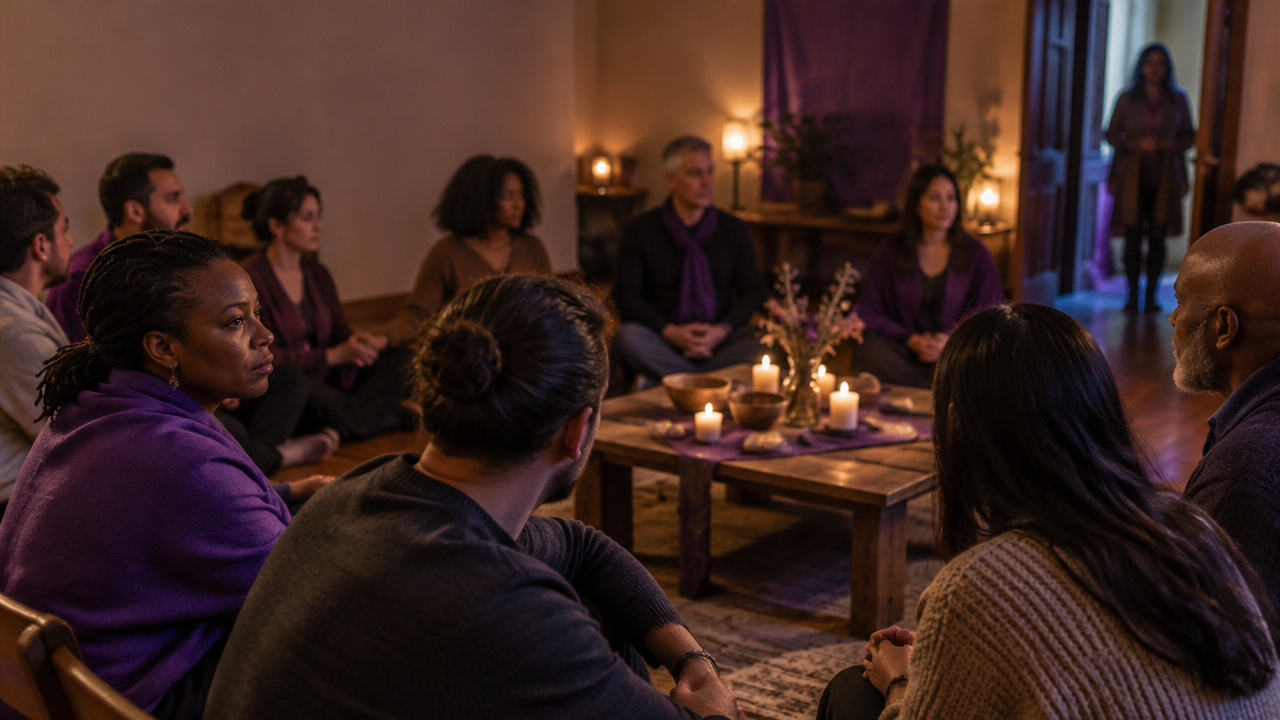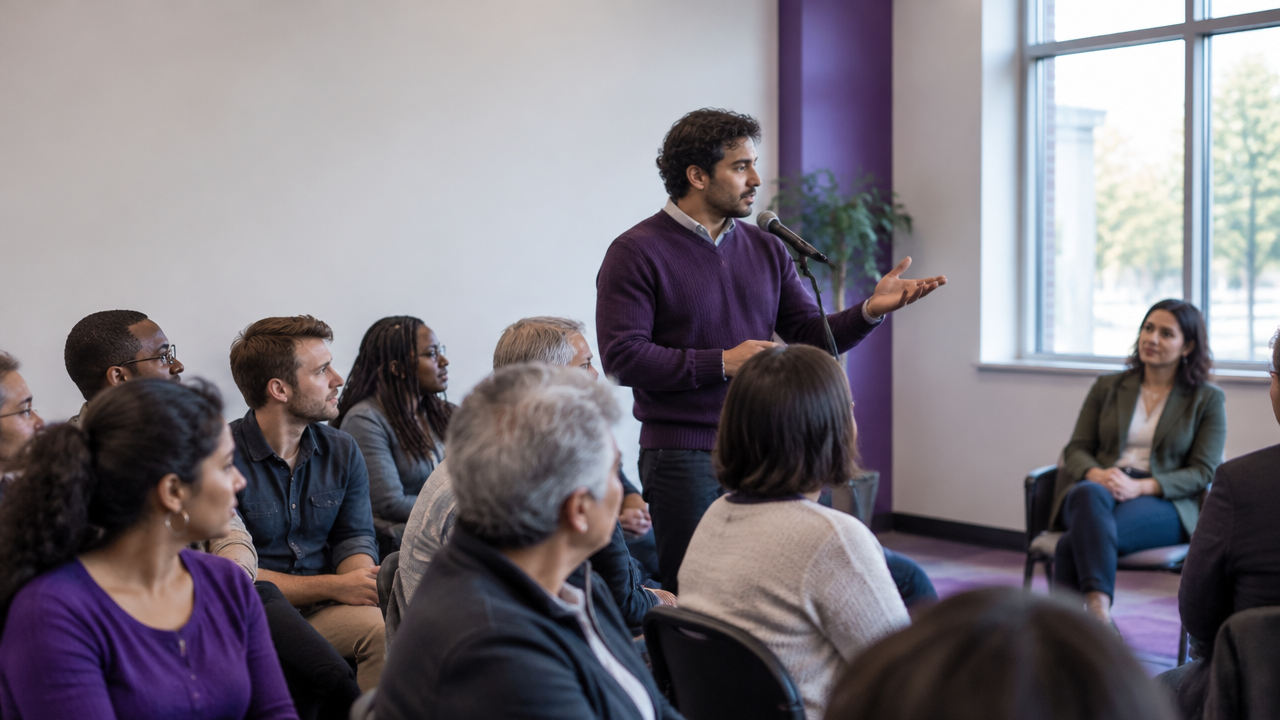

Imagine entering a room. The air feels heavy. People avoid each other’s eyes. Quiet conversations vibrate with tension. This is what collective fear feels like—a climate shaped not by a single person’s worry, but by a shared sense that something is wrong or unsafe. Now, picture the opposite: open faces, relaxed greetings, laughter echoing in the hall. Here, trust is the air everyone breathes. It's not invisible. It’s tangible.
When we stop to reflect on why societies thrive or stumble, we often miss one key factor—whether the people in it feel safe or afraid of each other. Beneath politics, economics, or technology, it's the shared emotions—above all, collective fear and social trust—that shape destinies on a major scale.
Understanding the forces: What is collective fear and what is social trust?
Before listing the outcomes, let’s get clear on what these words really mean. Collective fear is not just many individuals feeling worried. It emerges when anxiety, suspicion or dread pools together, leaking into conversations, news, and daily habits. It shapes street corners and boardrooms alike.
Anxieties multiply faster together than alone.
Social trust, in contrast, is the shared belief that others can be relied upon. It means we expect fair play, that strangers most likely follow the rules, and that we are not alone against the world.
When collective fear dominates, suspicion rules. When social trust leads, people feel generous, co-creative, and calm. The results branch out into every corner of society.
Six outcomes of collective fear versus social trust
Let’s see how the main differences between these social climates play out in everyday and large-scale ways.
-
Political polarization and cooperation
In societies where fear is widespread, differences are exaggerated. We see other groups as threats. Politicians may use this to win support by promising protection and simple answers, but the price is steep: dialogue breaks, and the public splits into rigid camps.
Where social trust outweighs fear, another reality blooms. Diverse opinions are debated, not demonized. Political discussion becomes possible. Decisions improve, because more voices are included.
Fear divides; trust invites.
Social ethics, as discussed in topics of social ethics, are highly influenced by these climates.
-
Rule of law and willingness to follow the rules
When trust breaks down, people may bend or break rules, thinking “Why should I follow them if others won’t?” Laws suddenly feel imposed rather than shared. It’s not just about crime—everyday habits become shaded by doubt.
When trust is strong, communities accept rules as part of the social agreement. There’s a sense of joint responsibility. People monitor themselves and support others in doing the same.
-
Social cooperation versus individualism
Collective fear makes people self-protective. Walls go up, collaboration dries out, and individuals hunker down, watching for betrayal or blaming others for problems. The sense of “we” shrinks.
In trust-heavy environments, collaboration feels safer. Joint action flourishes in everything from community events to business partnerships. Problems are more often seen as shared challenges rather than private battles.
We find many examples of this shift in collective behavior topics.
-
Mental health and emotional regulation
Living daily in a climate of fear is stressful. It raises anxiety, sleep problems, even aggression. People may become numb or, on the other side, hyper-alert. These pressures ripple through families, workplaces, and even health systems.
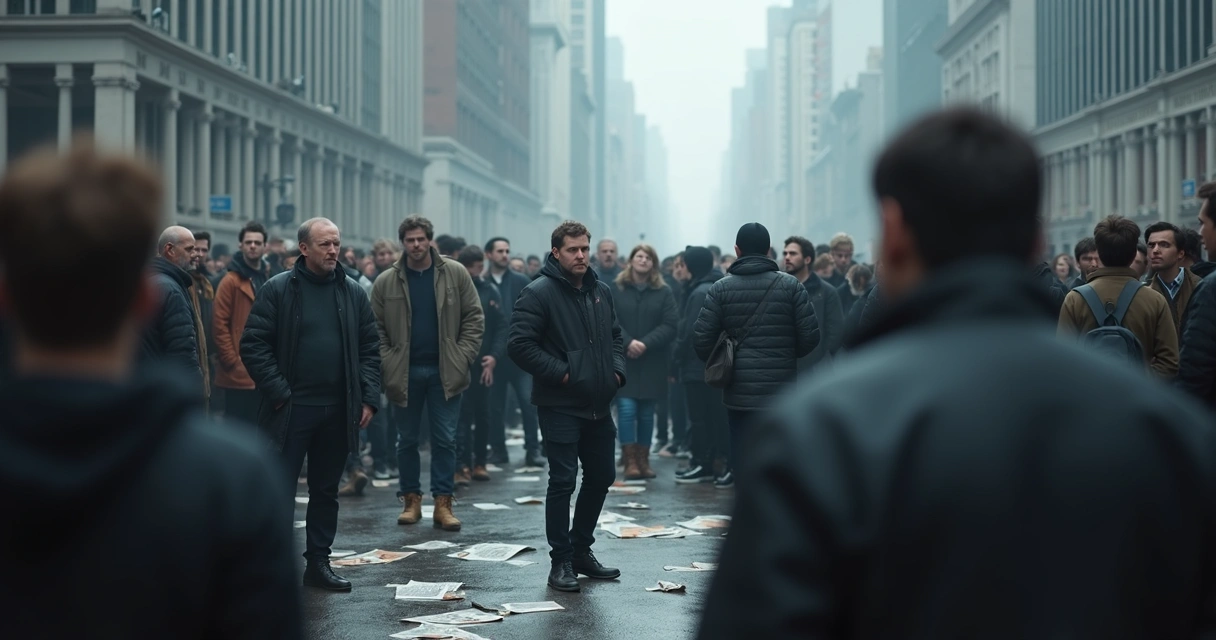
On the other hand, when people feel secure and trust prevails, emotional health is supported. The community becomes a source of comfort, and people can regulate their emotions better. There is more room for empathy and help-seeking— a topic further covered under self-regulation methods.
-
Innovation and creative problem-solving
Collective fear acts like a fog, blocking new ideas. People are less likely to share, experiment, or risk failure when they worry about being judged or harmed. Stagnation often follows.
Yet, trust opens up new pathways. When mistakes are seen as part of learning, creativity blossoms. Groups generate better solutions because people dare to think out loud and adapt.
Creativity speaks louder in safe spaces.
-
Generational legacies and social memory
The atmosphere of fear can be passed down, sometimes without words. Children learn not just from lessons, but from the emotional climate around them. Old conflicts and defensive habits can carry on for generations, locked in stories and daily reactions.
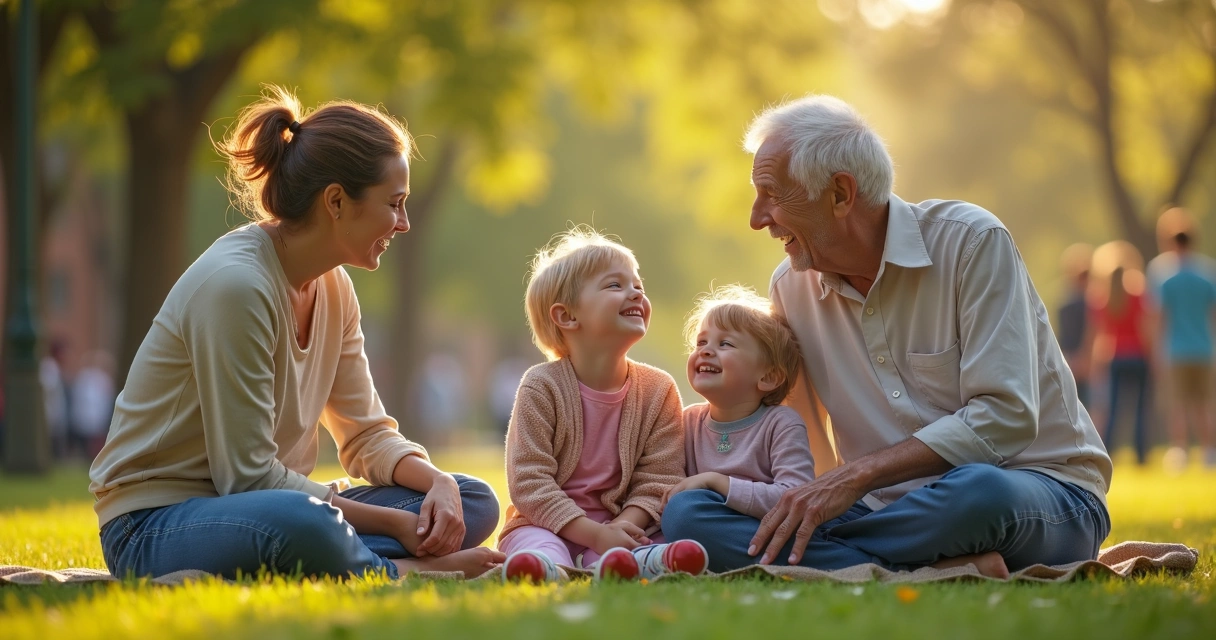
Positively, when trust is fostered, emotional wounds can heal and new habits can be learned. This inheritance of trust creates hope and resilience. Some topics in systemic constellation discuss how these legacies play out.
Why education in emotion is a powerful tool
We find that unchecked fear, if left unspoken, becomes the architect of many social ills. Education that helps people understand their emotions, and connect them to larger trends, can shift a community’s mood from fear to trust.
Emotional education is not “soft” or secondary. It is the foundation for stronger, more stable communities. By recognizing patterns and talking openly, we make space for new emotional responses—ones that lead to trust and stability.
If you want more insight on how emotion shapes communities, there are several resources under emotional education topics.
Conclusion
Societies, just like individuals, are shaped by their emotions. We have seen that collective fear leads to division, distrust, and withdrawal. Social trust creates environments where dialogue, fairness, and cooperation grow. These differences are not minor—they affect everything from how we vote to how we care for our children.
The future is shaped by what we feel together.
By choosing to notice and improve our collective emotional field, we move closer to building communities where people can flourish, not shrink away. Each step from fear toward trust is a step toward a better world.
Frequently asked questions
What is collective fear in society?
Collective fear in society is when many people share a sense of worry, suspicion, or anxiety that spreads through groups, shaping everyday behaviors and decisions. It is more than an accumulation of individual fears—it becomes a climate that influences how people relate to one another, how they view outsiders, and how they interpret events around them.
How does social trust affect outcomes?
Social trust changes the way people interact, share resources, and solve problems. When trust is high, cooperation and openness increase, which leads to fairer decisions, more innovation, and a willingness to follow shared rules. Communities with strong social trust are more resilient and manage challenges together.
What are the six main outcomes discussed?
The six main outcomes of collective fear versus social trust we discussed are:
- Political polarization vs. cooperation
- Rule of law vs. lack of compliance
- Social cooperation vs. individualism
- Mental health and emotional regulation
- Innovation and creative problem-solving
- Generational legacy—how emotions are passed down
How can we build social trust?
Social trust grows through honest communication, shared experiences, and predictable, fair treatment by others. Education that helps people understand and manage emotions is a key support. Efforts to include diverse voices, resolve conflicts openly, and consistently honor agreements all contribute to higher trust over time.
Why does collective fear spread quickly?
Collective fear spreads quickly because humans naturally pick up on emotional signals from others. Fearful expressions, stories, or even rumors can trigger anxiety in entire groups, especially in uncertain times. This emotional “contagion” often happens faster than positive emotions like trust, making it all the more necessary to address and transform.