Historical emotional trauma does not stay in the past. We see it in silence at family tables, in fear of difference, in public anger that rises too fast, and in communities that struggle to trust. What was never named often becomes behavior. What was never grieved often becomes structure.
Social rituals help communities turn inherited pain into shared meaning.
We think this matters because trauma is rarely only personal. It can pass through families, neighborhoods, institutions, and whole nations. A painful event may end in time, yet its emotional force can remain active for generations. People may not know the full story, but they still live inside its effects.
That is where social rituals can help. A ritual is not just a ceremony. It is a repeated, intentional act that gives shape to emotion. It marks what happened, who was affected, and how a group chooses to respond now. In our experience, rituals become useful when they create safety, truth, grief, dignity, and a path toward renewed connection.
Why groups need rituals for old wounds
When a community has lived through war, displacement, slavery, abuse, exclusion, or state violence, daily life often continues before the emotional process is complete. People work. Children grow. Streets fill again. But inside, something remains unfinished.
We often notice three common signs of unfinished collective pain:
- Strong emotional reactions with no clear present cause
- Repetition of shame, blame, or avoidance across generations
- Public division that keeps returning around the same symbolic wounds
These patterns are not random. They show that memory is still alive in the emotional field of the group. This is why collective behavior cannot be understood only through ideas or policies. Emotion also organizes social life.
A field study on secular rituals and social bonding, published in research on shared ritual and positive affect, found that collective ritual can increase social connection and positive emotion. That finding supports something many communities already feel in practice. When people gather with intention, they do not only remember together. They regulate together.
Unfelt pain does not disappear.
What makes a ritual healing?
Not every public act heals. Some events only reopen pain. Others turn grief into performance. We believe a healing ritual needs emotional structure. It should not force closure, and it should not ask people to pretend that repair is complete.
A healing ritual does not erase trauma. It gives trauma a human container.
In our view, healthy rituals often include these elements:
- A clear purpose, such as mourning, acknowledgment, reconciliation, or remembrance
- Voluntary participation, with room for difference in belief and emotional pace
- Witnessing, so people feel seen without being exposed or pressured
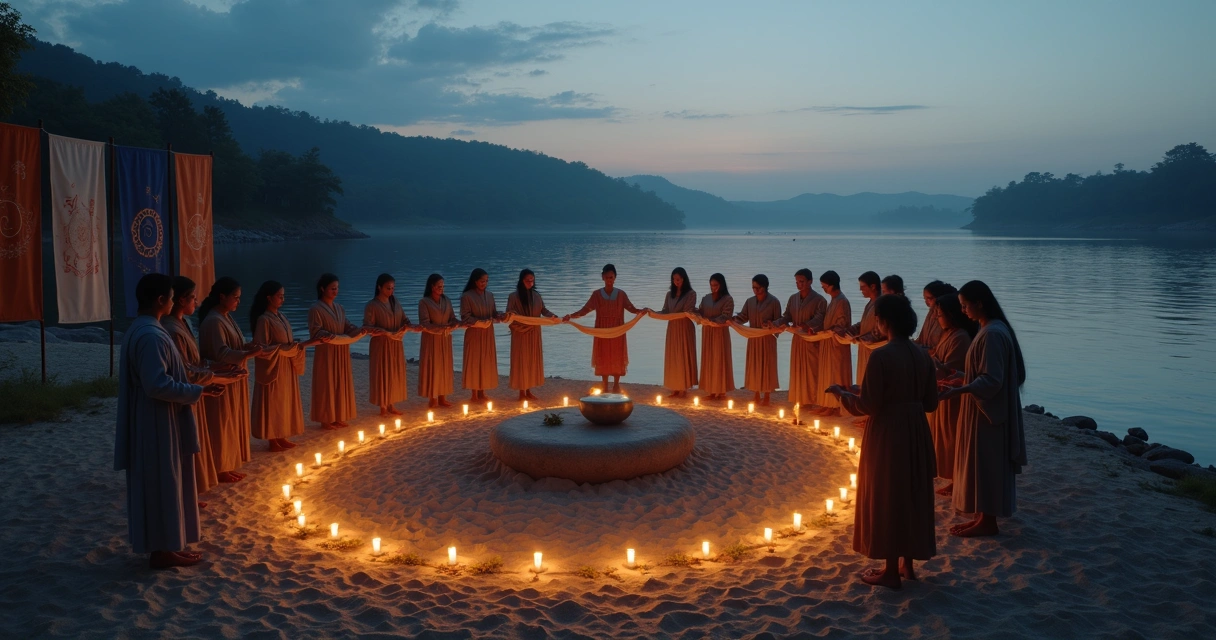
- Symbolic action, such as lighting candles, reading names, planting trees, or walking together
- Reflection after the act, so emotion can settle into meaning
We have seen that simple gestures can carry deep force. A bell rung once for each life lost. Empty chairs in a town square. A shared minute of silence that finally feels honest. These acts are small on the surface. Still, they can give language to what words alone fail to hold.
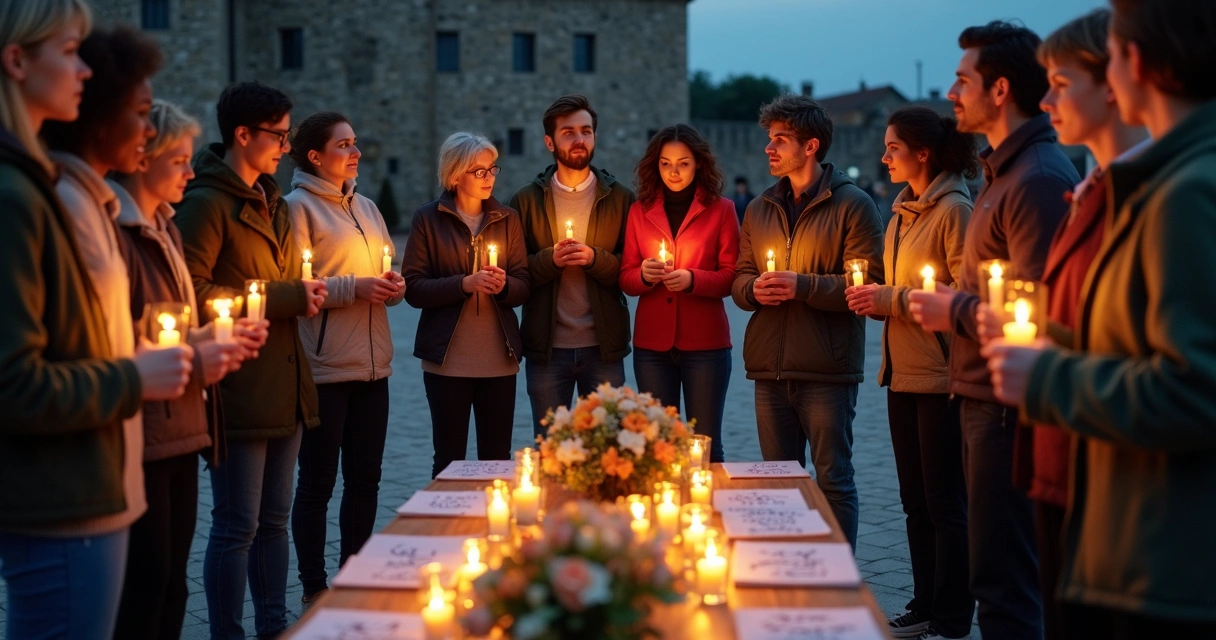
Forms of social rituals that support integration
Different communities need different forms. There is no single model. The form should match the wound, the culture, and the readiness of the people involved.
Some rituals work well because they balance emotion and structure:
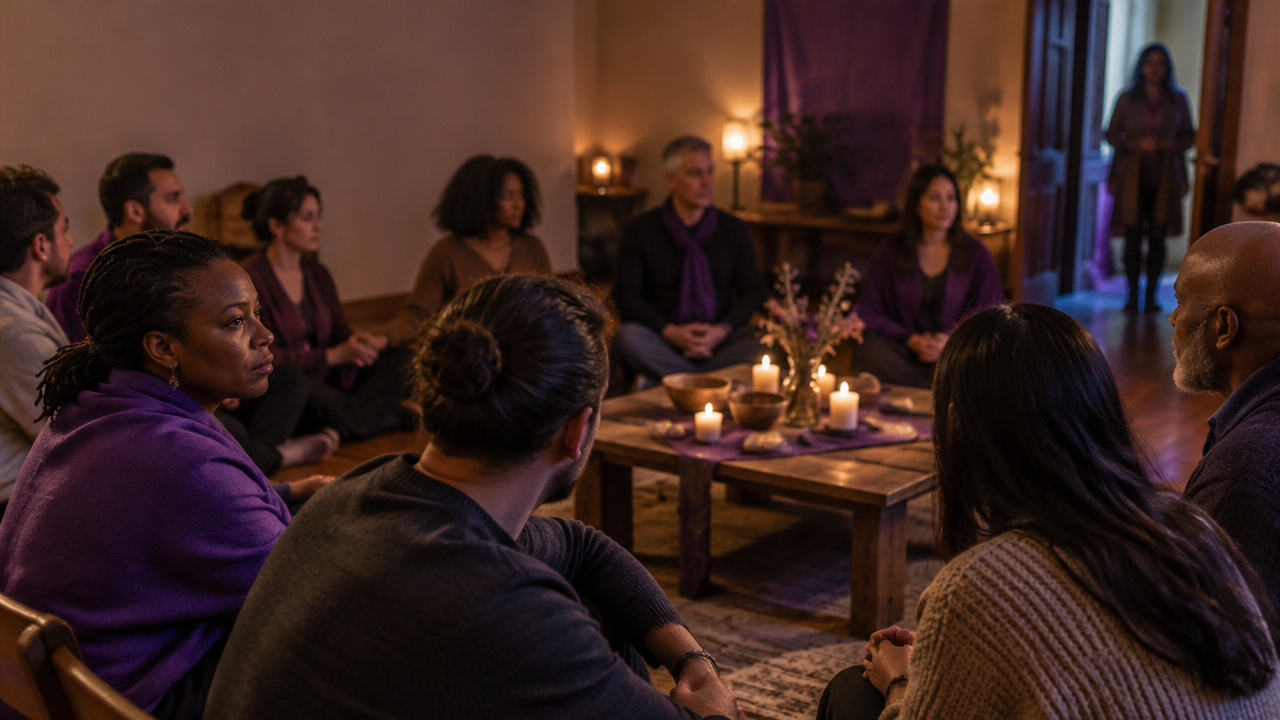
- Memorial gatherings that name losses and honor those affected
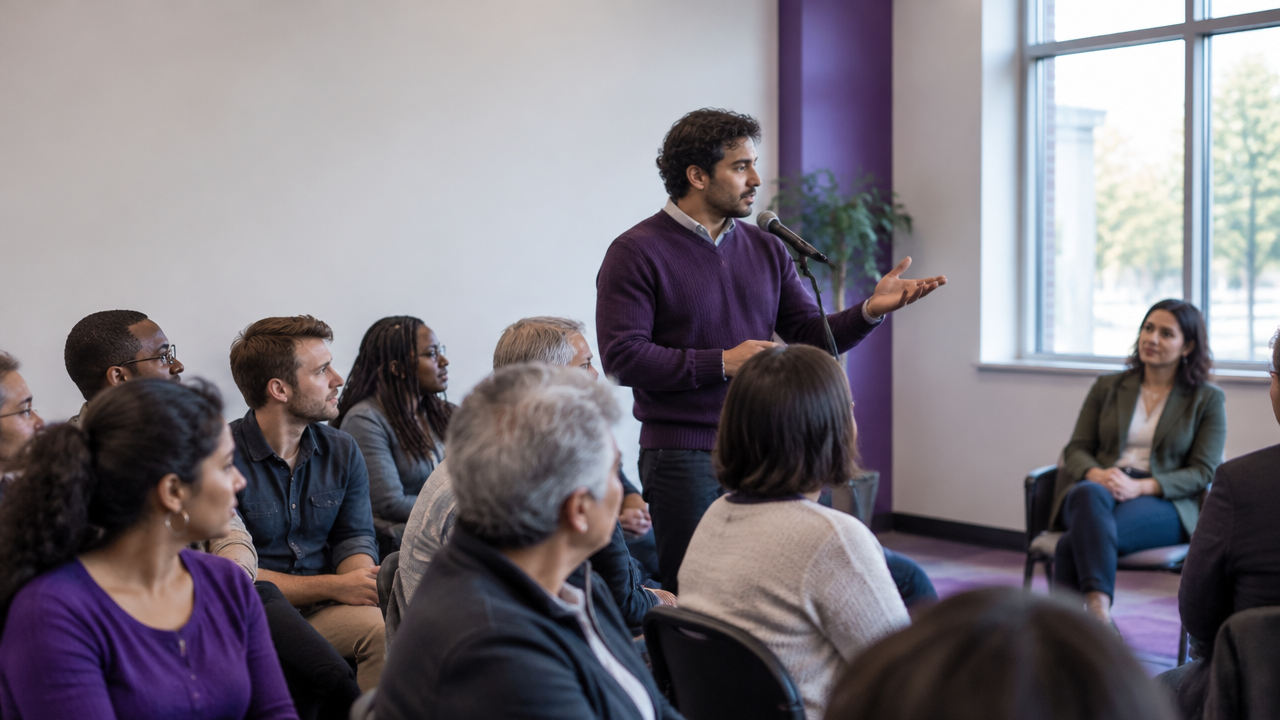
- Intergenerational circles where elders and youth share memory with care
- Public apology rituals followed by concrete acts of repair
- Seasonal remembrance days that keep memory present without constant reactivation
- Community art rituals, such as murals, woven pieces, or music created in common
We are especially careful with rituals that involve historical blame. These need ethical grounding, not just emotional release. If a ritual only intensifies accusation, people may leave more defended than before. This is why social repair must stay linked to social ethics, where dignity and responsibility can stand together.
At times, a ritual should also include body regulation. Breathing together, silence, slow walking, or grounding practices can help people stay present. This is closely related to self-regulation, because a dysregulated group cannot process pain with clarity.
The role of truth and emotional education
A ritual cannot carry what a community refuses to face. If the history is denied, softened, or turned into abstraction, the ritual becomes thin. People feel it. They may attend, but they do not trust it.
Truth gives ritual weight, and emotional education gives it depth.
We think communities need language for grief, fear, shame, anger, and responsibility. Without that language, people either shut down or act out. This is why emotional education should be part of any long-term response to collective trauma. It teaches people how to recognize feelings without becoming ruled by them.
There is also a systemic side. Sometimes a community repeats emotional loyalties it does not understand. Descendants may carry burdens of silence, guilt, or exclusion that began long before them. In such cases, work related to systemic constellation can help reveal hidden patterns in how families and groups hold memory.
We once heard a person say, after a local remembrance event, “Now I understand why my grandmother never spoke about that year.” That sentence stayed with us. Not because it solved everything, but because it linked a private silence to a shared history. That link matters.
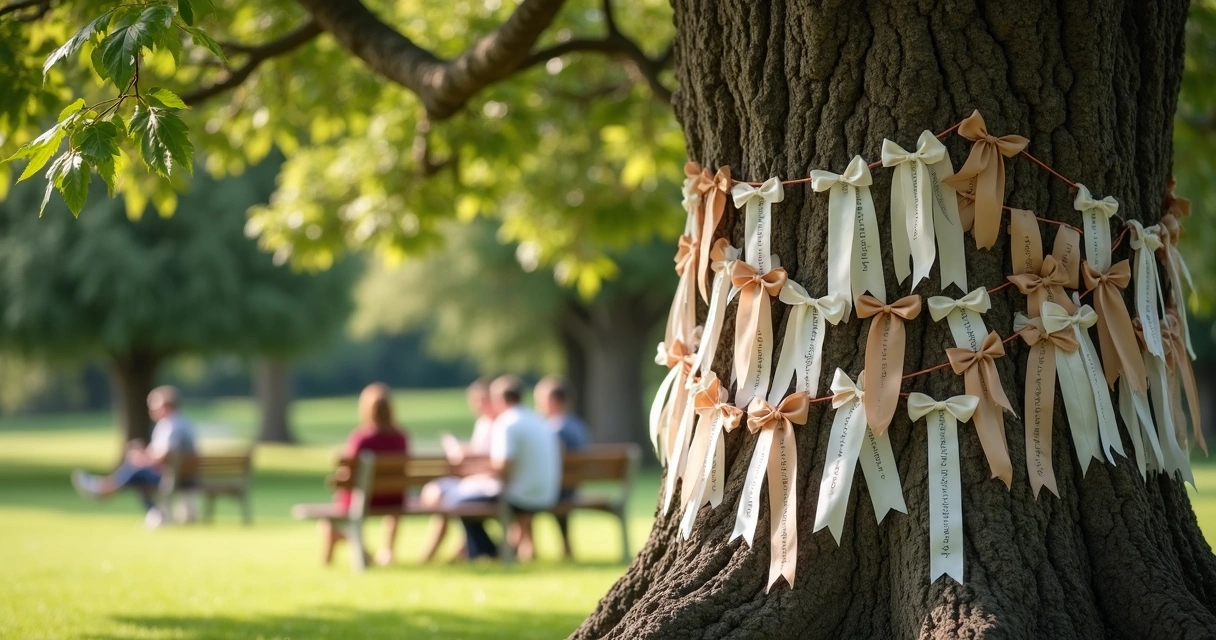
What social rituals should avoid
Care is as much about what we do not do. A community ritual can fail when it moves too fast or asks too much.
We suggest avoiding a few common mistakes:
- Forcing forgiveness before grief and truth have been honored
- Making survivors educate everyone else without support
- Using political symbolism that divides the group further
- Confusing visibility with healing
- Ending the process with one event and no follow-up space
Short public acts can open deep material. People may leave stirred, exposed, or confused. That is why thoughtful preparation and aftercare matter. Sometimes the most respectful ritual is modest, local, and steady, instead of large and dramatic.
Conclusion
Social rituals for integrating historical emotional trauma are not empty traditions. They are collective practices of emotional order. They help communities remember without drowning, grieve without isolation, and rebuild trust without false innocence.
We believe healing at the social level begins when pain is given form, witness, and meaning. A ritual cannot change history. It can, however, change the way history keeps living in people. That is a serious shift. And sometimes, it begins with a circle, a name, a silence, and the courage to stay present together.
Frequently asked questions
What are social rituals for trauma healing?
Social rituals for trauma healing are shared practices that help a group acknowledge pain, loss, and memory in a structured way. They can include memorials, circles, public readings, symbolic acts, or annual days of remembrance. Their goal is to give collective emotion a safe form.
How can rituals help emotional trauma?
Rituals help emotional trauma by creating rhythm, witness, and meaning. They make it easier for people to feel without becoming lost in what they feel. In groups, rituals can reduce isolation and support a sense of shared humanity after painful events.
Where to find guided healing rituals?
Guided healing rituals can be found through community organizations, local remembrance groups, trained facilitators, trauma-informed circles, and educational spaces focused on emotional and relational healing. We suggest choosing settings that respect consent, pacing, and psychological safety.
Are group rituals better than solo ones?
Group rituals are not always better, but they serve a different purpose. Solo rituals can help with privacy and personal reflection. Group rituals help when trauma has a shared or historical dimension, because they restore connection and public acknowledgment.
Is it worth it to try rituals?
Yes, it can be worth trying rituals when they are thoughtful, respectful, and well held. They may not remove pain, but they can reduce silence, support expression, and help people feel less alone in what has been carried for too long.