

In times of emotional difficulty, gathering together can unlock a kind of healing that no solitary practice quite matches. Group rituals, when done with intention and care, help us to recognize our shared experiences, release unspoken pain, and build communities of trust. Whether we meet as families, friends, teams, or social groups, coming together for emotional repair allows us to rebuild not just ourselves, but the very fabric of our relationships.
Why do group rituals work so well? We believe it’s because they create safe containers for difficult emotions. They illuminate what is hidden. They let us begin again. In our experience, there are seven practices that truly help restore emotional balance when practiced within a group. The right ritual can transform conflict, mend trust, and set the tone for lasting change.
Why choose group rituals for emotional repair?
Some emotions cannot be processed in isolation. Sadness, resentment, disappointment—these take shape between us, not just within us. We have seen how, when facilitated in a respectful setting, group rituals help people express what words often cannot. They offer a path to both personal and collective healing.
Healing together is possible.
In the sections that follow, we present seven specific group rituals for emotional repair and how each one works. Each practice builds emotional maturity and connection, benefits well beyond the ritual itself.
Candlelight circles: illuminating shared experience
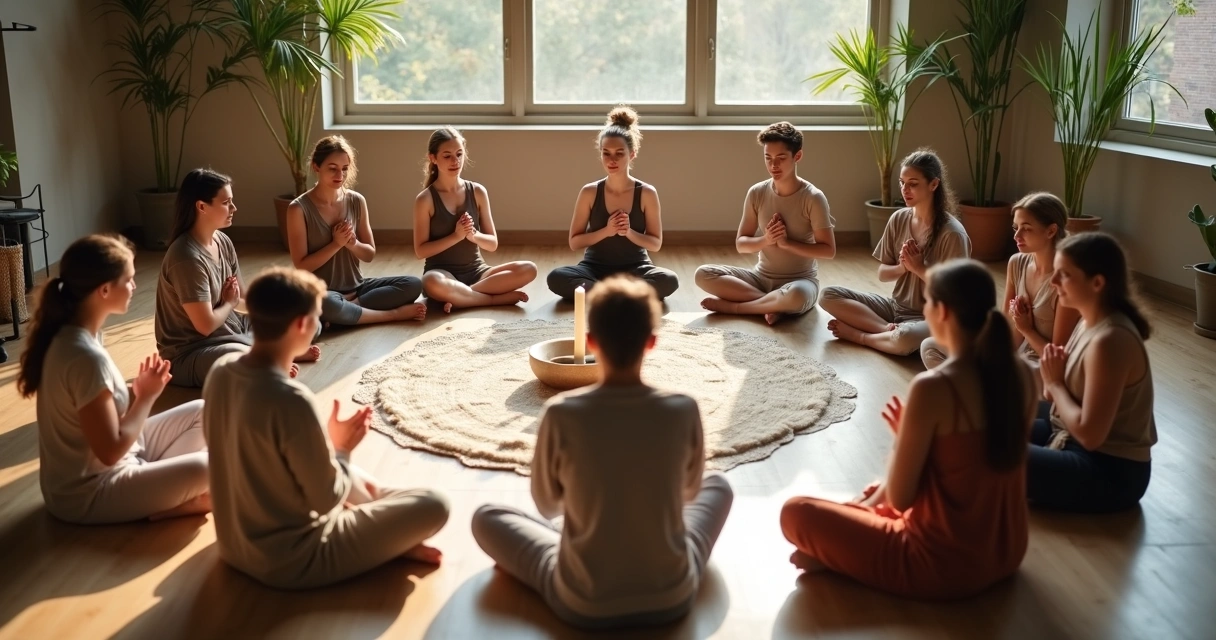
Few things set a mood quite like a circle of people sitting in soft candlelight. In this ritual, each person is given a candle, which they light one by one after sharing something that weighs on their heart. These sharings do not require feedback or advice—simply attentive presence.
This practice works because it makes each voice visible and valued, even in silence. The lighting of candles creates a visual symbol of collective light rising from individual vulnerability. The group learns that no one’s pain is too small to matter.
We have found candlelight circles especially helpful in transitional moments or after conflict, helping all participants feel included and witnessed.
Restorative dialogues: learning to listen and repair
Restorative dialogue involves structured conversation with clear guidelines for listening and sharing. The group sits in a circle, and a facilitator invites each person to share in turn, often using a talking object to keep focus.
No one interrupts. No one gives advice. The intention is to listen fully and reflect, if invited, on what was heard. Over time, trust grows as people learn how to listen without judgment. True repair happens when everyone feels their story is received.
Restorative dialogue works in families, teams, and even in larger communities, especially following a breach of trust or a group-wide disappointment.
Collective breathing and grounding
Sometimes words are too much. In many groups, simply sharing breath and grounding together can generate a sense of unity and calm. Guided breathing, where a facilitator gently leads the group in deep inhales and slow exhales, can anchor the nervous system.
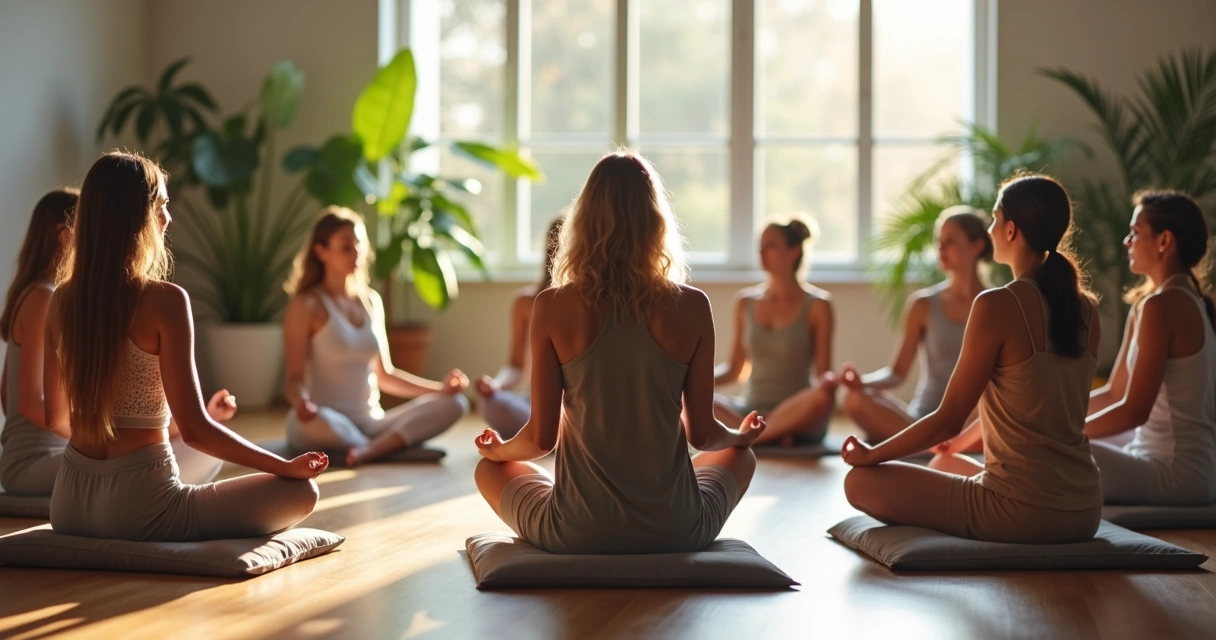
We often follow breathing with a grounding exercise, such as feeling one’s feet on the floor, or a simple body scan. These physical practices help the group access clarity before speaking about tougher emotions.
Regular group breathing circles are especially useful for groups that are in ongoing work together, such as workplaces, volunteer circles, or support groups.
Storytelling rounds: releasing emotional burdens
In the storytelling round, each person is asked to recount a moment when they felt hurt, misunderstood, or excluded. Others are asked only to listen. When one story finishes, the next person shares.
The sharing of personal stories reveals invisible threads between members. “I thought I was the only one who felt this way” is a sentence we often hear at the end of these rounds. Storytelling reminds us that pain shared is pain halved.
If you are interested in the impact of group emotion on society at large, we recommend reading more about collective behaviors and emotional fields at our section on collective behavior.
Ritual apology and forgiveness
When there has been a clear rupture—an action that has hurt or disappointed—groups often benefit from a simple but powerful ritual of apology and forgiveness. In this ritual, individuals are invited to name what happened, take responsibility, and request forgiveness.
Saying “I’m sorry” as a group can lift years of silence.
This is not about forced forgiveness. Instead, the ritual allows for both sides to state their truth. Sometimes, the full forgiveness process will take time, but this ritual marks an honest beginning.
We have seen these rituals used among siblings, in organizations, and after community disputes, allowing people to move forward with greater peace.
Group movement and sound
Physical movement helps release emotions the body holds. Group movement rituals—such as synchronized walking, gentle stretching, or rhythmic drumming—help groups process anger, grief, or anxiety together, especially when words fail.
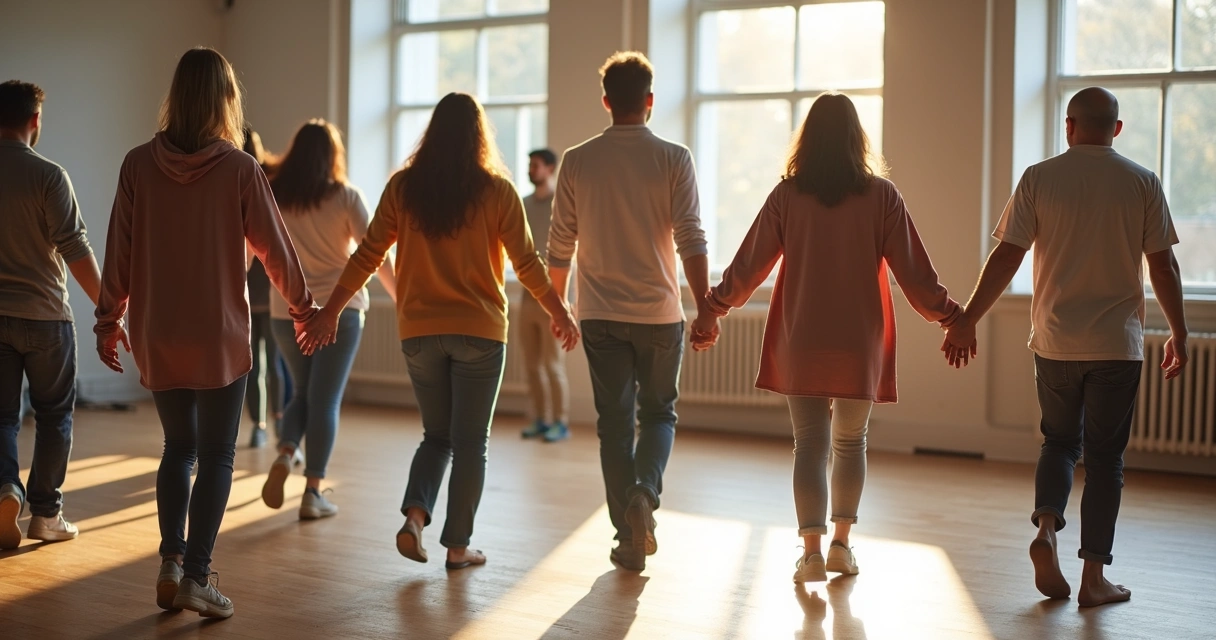
Adding vocalizations, such as humming or chanting, can deepen the effect.Group sound and movement rituals help restore emotional energy and reconnect members on a physical and emotional level.
Integrative group meditation
Meditation can be powerful when done alone, but shared group meditation, especially when practiced with the intention of repairing emotional rifts, has unique strengths. Facilitators often lead a short guided session focused on compassion, forgiveness, or acceptance.
People simply sit together, connecting through silence, breath, or gentle guidance. Afterwards, the group may share short reflections. This allows for new perspectives and releases tension.
If you are interested in techniques for self-regulation in groups, there are effective methods described under our dedicated section on self-regulation.
Gratitude circles: reinforcing connection
To close a cycle of repair, many groups choose a gratitude ritual. Each person is invited to thank someone in the group—by name—for something specific. This could be a gesture, a word, or simply their presence.
Gratitude rituals help seal the group with positive emotion, closing wounds with appreciation rather than avoidance. We have seen how, even after conflict or hardship, gratitude rituals can shift the entire atmosphere of a group.
For those interested in developing the ethics of positive coexistence and exploring deeper group dynamics, the sections on social ethics and systemic constellation offer valuable insights.
Tips for building effective group rituals
There is no single script for a healing ritual. However, we have seen that the following simple considerations make group rituals for emotional repair more effective:
- Set a clear intention and explain the process before you begin.
- Choose a safe and comfortable space.
- Use a facilitator to anchor the group if possible.
- Respect every participant’s choice to pass or remain silent if needed.
- Follow up after the ritual to support ongoing integration.
If you want to learn more about effective emotional education for groups and individuals, our section on emotional education is filled with resources.
Conclusion
We know that emotional repair, when approached with courage in a group setting, can reset relationships and restore hope. The seven practices above are not just rituals—they are pathways to honesty, empathy, and renewal.
As we continue to experiment with these group rituals, we see new possibilities for stronger, more authentic communities. Healing together is a choice, and one that can transform not just the group, but the wider world in which we live.
Frequently asked questions
What are group rituals for emotional repair?
Group rituals for emotional repair are structured practices that help people process, release, and transform difficult emotions together. These can include sharing circles, group breathing, movement, forgiveness rituals, and guided meditations. They create spaces where everyone feels seen and supported, leading to better understanding and restored connections.
How can I start a group ritual?
To start a group ritual, gather willing participants and choose one of the practices described in this article. Clarify the intention—whether it’s to process grief, rebuild trust, or simply connect. Use simple guidelines, such as attentive listening and turn-taking, and ensure the environment feels safe. Begin with a short introduction and then guide the group through the chosen ritual.
What are the best rituals for healing?
The best rituals for healing depend on the group’s needs and the situation. Candlelight circles, restorative dialogue, forgiveness ceremonies, and gratitude rounds are some of the most effective we have seen. Group breathing and guided meditation are also excellent for calming the mind and opening the heart. Experiment to find which resonates most with your group.
Do group rituals really help emotions?
Yes, group rituals can make a significant impact on emotional health. When people feel heard, seen, and held in a group, emotions are processed more deeply and quickly than in isolation. The sense of belonging and mutual support helps repair emotional wounds and strengthens relationships.
Where can I find group ritual ideas?
You can find ideas for group rituals in resources on emotional education, self-regulation, collective behavior, social ethics, and systemic approaches to group healing. This article and the linked sections offer examples of rituals that have been tested and refined in different kinds of groups.