

Conflict Transformation: Turning Division Into Dialogue
Learn how to turn conflict into dialogue by addressing emotions, relationships, and unfair systems, with practical steps for building more lasting change.
Explore how emotion shapes society, justice, and collective well-being.
Learn how to turn conflict into dialogue by addressing emotions, relationships, and unfair systems, with practical steps for building more lasting change.

Learn how fair participation, shared goals, and thoughtful contact can strengthen trust across groups, reduce us-versus-them thinking, and support lasting cooperation.

Explore how fear, anger, identity, and empathy shape political beliefs and media judgment, and learn practical ways to think clearly without reducing politics to emotion.

Learn how emotions, intuition, reasoning, and social context shape moral judgments, and use a practical framework to respond more thoughtfully and fairly.

Understand why political opponents can feel like enemies, how emotional division differs from policy disagreement, and what helps restore trust without false agreement.

Learn what collective efficacy means, why trust alone is not enough, and how communities can build shared power through inclusive, safe, measurable action.

Learn why teams fall into groupthink, recognize warning signs, and use practical decision-making tools that protect dissent, examine risks, and build sound consensus.

Learn how group membership shapes self-concept, belonging, and bias, and how emotional awareness can help communities build identities that widen empathy.

Learn a practical, consent-based way to guide Marquesian meditation online, with a timed session plan, inclusive options, and steps for building group connection.

Learn how leaders can model emotional maturity with practical steps for pressure, empathy, boundaries, and repair, helping teams build trust through everyday actions.

Empathy can grow with practice. Learn simple ways to listen, understand another perspective, set boundaries, and bring emotional awareness into daily life.
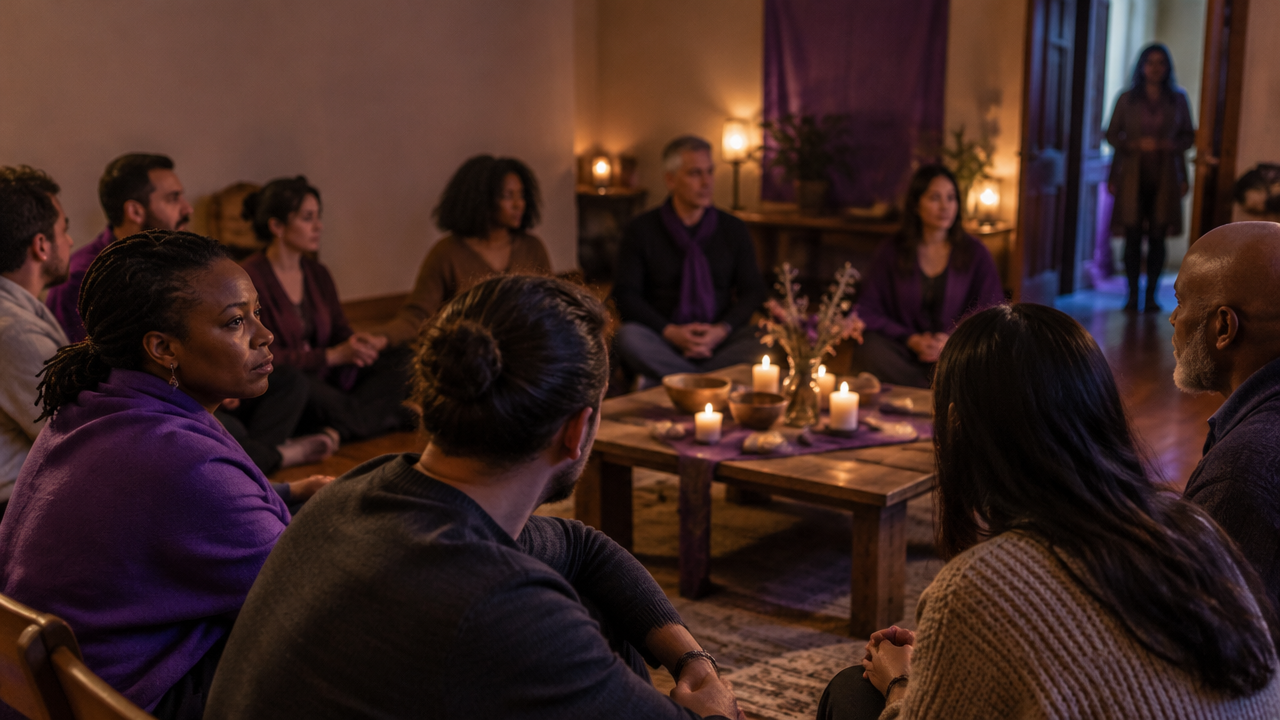
Explore twelve ways unspoken fear reshapes community rituals, from forced participation to silence, with practical steps for safer, more trusting gatherings.
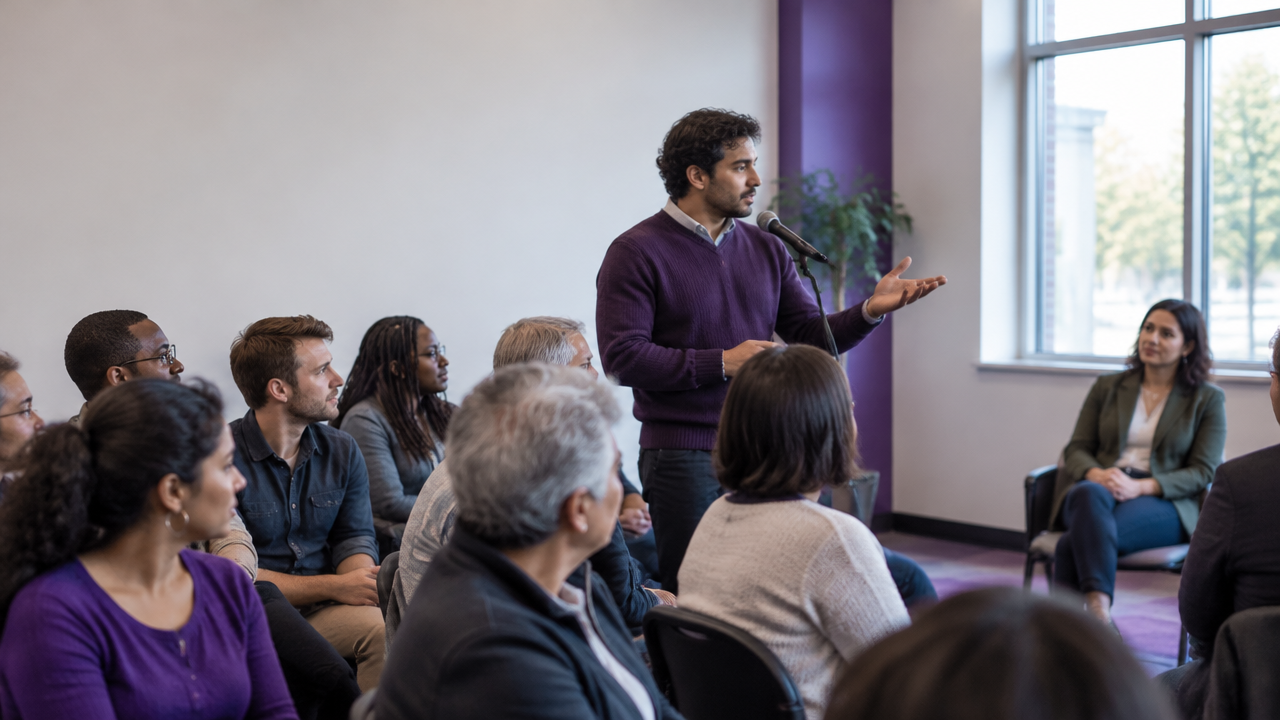
Learn to tell emotional scapegoating from fair accountability, test blame claims against evidence, and respond without amplifying fear or collective blame.

Discover six subtle ways emotional microaggressions infiltrate teams, affecting group dynamics and emotional well-being.

Discover seven emotional triggers driving collective regression and how unintegrated feelings shape social crises and conflicts.
Discover how emotional awareness and integration can empower lasting social change. Learn more about our approach today.