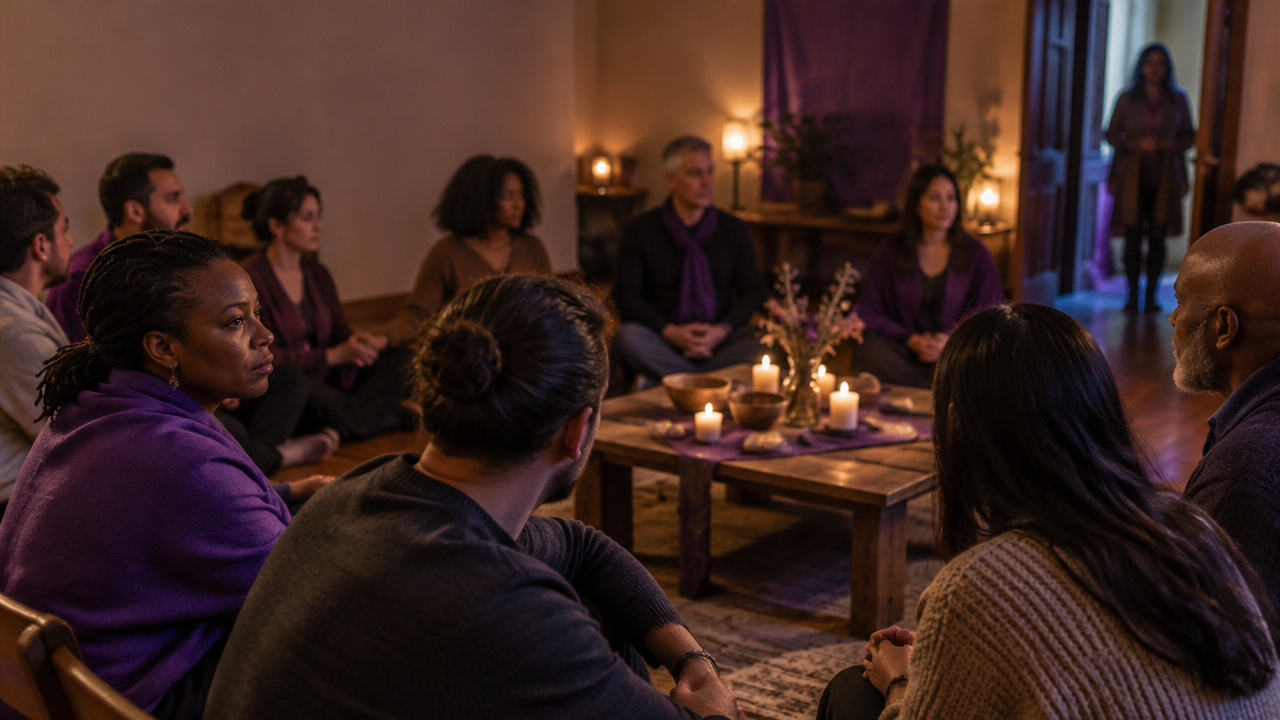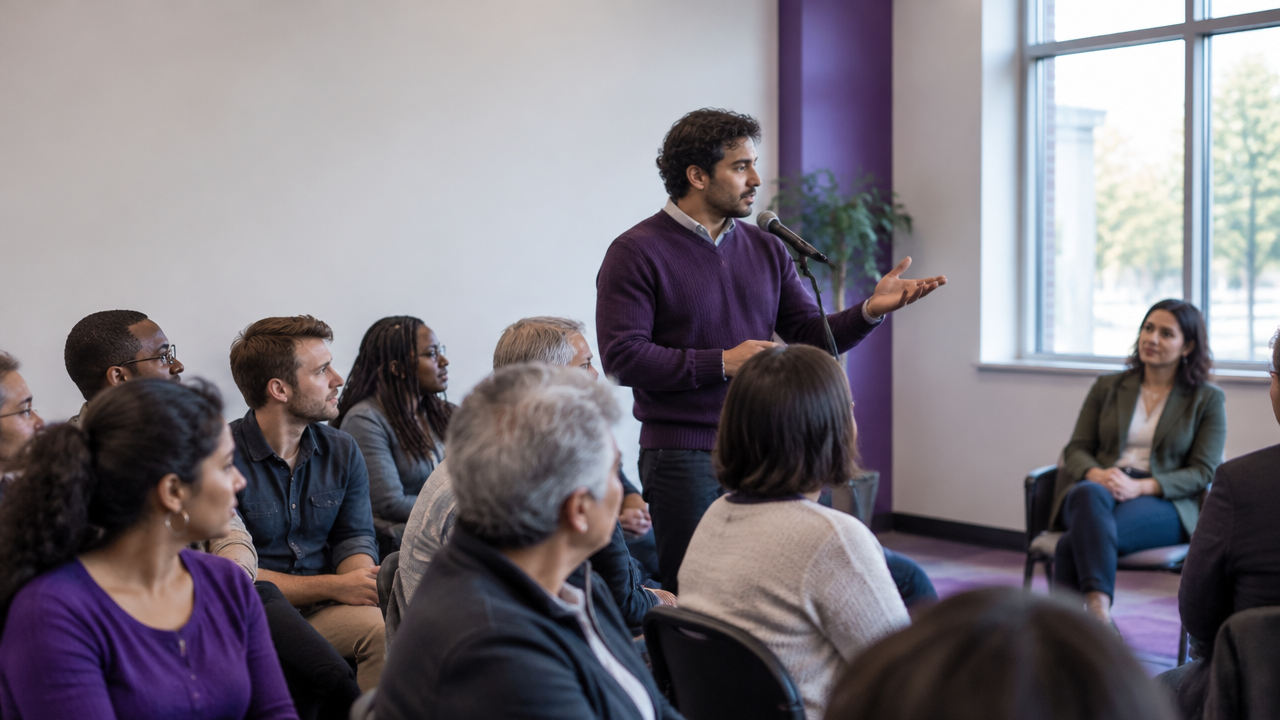

Fear in organizations is not always obvious. Much of it hides inside repeated habits, routines, and unwritten rules that everyone follows—often without question. We have seen that these rituals shape not only how people behave, but also how they feel about themselves and each other at work.
In what follows, we explain seven common rituals that reinforce fear in organizations. Our goal is to show how these rituals operate beneath the surface, impacting everything from daily atmosphere to long-term decision-making. By making them visible, we can open opportunities for real change.
Ritual 1: Public shaming during meetings
Some organizations use meetings as arenas for accountability. However, when a culture develops where mistakes are dissected in front of peers, and individuals are called out harshly, the result is rarely learning. What actually spreads is anxiety and self-censorship.
People remember the sting of public humiliation longer than the lesson itself.
We have witnessed teams where employees begin to avoid risk, offer fewer ideas, or “disappear” into the background, just to survive the next meeting. Public shaming creates a climate where psychological safety is lost, fear is reinforced, and innovation wilts.
Ritual 2: Sudden, unexplained firings
Sometimes, employees are dismissed suddenly, with no explanation given to colleagues. This is often justified as “maintaining privacy” or “showing swift action.” While privacy matters, the effect of secrecy can be devastating to trust. People begin to wonder: Who’s next? What did they do wrong?
Rumors rush in to fill the information void. Conversations become tense. Loyalty is replaced with silent anxiety and caution. When dismissals become an organizational ritual marked by secrecy and surprise, fear becomes an everyday companion.
Ritual 3: Blame allocation instead of responsibility sharing
After a negative outcome, some organizations automatically look for someone to blame, rather than analyzing what led to failure. This blame-first mentality takes ritual form in postmortem meetings, critical emails, or even subtle signals in body language.
Over time, employees learn to hide information, pass blame themselves, or stay on the sidelines. Teamwork turns into self-preservation. The root causes of problems remain unsolved, and fear keeps the organization stuck.
Ritual 4: Annual “name and shame” rankings
Ratings and rankings are common, but when they become public or pit colleagues against each other, the process turns into a ritual of fear. Stack ranking systems, forced distribution curves, or “worst performer” lists create uncertainty and hostile comparison.
Those on the bottom face embarrassment and isolation. Even those at the top carry stress, fearing they may drop next time. Competition in this context is not healthy progress, but a system of anxiety and mistrust.

Ritual 5: Security walk-throughs as intimidation
Security and safety procedures are necessary, but we have been in workplaces where “walk-throughs” or compliance checks are ritualized as surprise inspections orchestrated to intimidate rather than protect. These visits are less about improvement, more about catching someone in error.
Employees may stop trusting management’s intentions. Instead of feeling protected, they brace themselves for something punitive. Trust is replaced with suspicion; helpfulness with hiding mistakes.
Ritual 6: Mandatory silence after decisions
Decision-making is a key ritual in every workplace. However, in some organizations, a silent rule develops: “do not question leadership” after a decision is made, regardless of outcome. This might be enforced directly, or more often, through silent signals—raised eyebrows, veiled warnings, the swift isolation of those who speak up.
Healthy dialogue shrinks. Learning stops. Over time, employees share less feedback, and leaders become insulated. This ritual of silence reinforces a culture where fear stands between people and genuine improvement.

Ritual 7: Celebration of “heroic suffering”
Some organizations create rituals around the idea that true loyalty is shown through sacrifice: working late, skipping breaks, and always saying yes. Employees who comply are praised; those who do not are quietly judged. Over time, the ritual itself becomes a test of belonging.
Long hours become a badge of survival—not achievement.
This ritual does more than wear people out. It makes rest, honest boundaries, and emotional well-being seem like weakness. Fear of appearing “disloyal” ties employees to constant stress, leaving little space for growth or true satisfaction.
How fear rituals shape collective behavior
Fear rituals do not just harm individuals—they shape whole social fields within the workplace. We see how these rituals can create invisible boundaries, cut off collaboration, and seed silent conflict. Unchecked, they may spill into larger social and ethical patterns, even touching how society as a whole approaches trust, fairness, and cooperation.
For those interested in the ethical dimensions of these traditions, we suggest reading more about social ethics. The link between emotion, ethics, and collective actions is stronger than it appears on the surface.
Breaking the pattern: The role of emotional education
Recognizing fear rituals is only the beginning. The real shift comes from emotional education: conscious awareness of our own feelings and responses as well as those of others. When organizations teach emotional self-regulation, encouragement replaces intimidation and mistakes become learning moments instead of marks of shame.
Resources on emotional education offer ways to foster healthier cultures where trust and yes, even conflict, serve growth instead of fear. This is supported by methods focusing on self-regulation as a source of collective well-being.
In our experience, collective patterns change fastest when people can honestly reflect, both as individuals and as groups. Interested in collective emotional patterns? Our collective behavior section goes deeper into these dynamics.
For specific situations or rituals, searching through our knowledge base can provide targeted insights.
Conclusion
Fear-based rituals do not emerge by accident. They are passed down, repeated, and adopted sometimes with the hope of keeping order, but accidentally create the opposite: less learning, lower trust, and reduced well-being. Breaking these rituals begins with attention, courage, and education—at every level of the organization.
By making the invisible visible and naming the rituals for what they are, we can choose, together, to create more honest, healthy patterns of working and being together.
Frequently asked questions
What are organizational rituals that create fear?
Organizational rituals that create fear are repeated practices, meetings, or rules that make people feel anxious, insecure, or threatened. Examples include public shaming in meetings, sudden unexplained firings, blame-focused reviews, public rankings, intimidation through surprise inspections, forced silence after decisions, and rituals that glorify overwork. These actions send messages that mistakes will be punished, opinions are not welcome, and only “perfect” behavior is accepted.
How do fear-based rituals affect employees?
Fear-based rituals often cause employees to hide mistakes, avoid taking risks, and trust their colleagues less. Many people start feeling nervous about speaking up, get anxious about job security, or feel isolated. Over time, these rituals can lead to less creativity, more stress, and even health problems. They also make it hard for trust and honest relationships to grow at work.
Can fear rituals harm company culture?
Yes, fear rituals can harm company culture. When fear becomes part of daily habits, trust and collaboration decline. People may compete against each other instead of working together. This damage can last a long time and makes it harder for organizations to handle challenges well. Healthy cultures are built on respect and understanding, not intimidation.
What are examples of fear-inducing rituals?
Examples of fear-inducing rituals include public blame in meetings, secret firings, forced rankings that embarrass employees, surprise inspections aimed at catching mistakes, silencing questions or feedback, and celebrating extreme overwork or sacrifice. Each of these rituals signals to employees that mistakes or honesty are dangerous. This often pushes people to hide their true feelings, play it safe, and keep their heads down.
How can organizations stop fear rituals?
Organizations can stop fear rituals by creating safer ways for people to share feedback, focusing on learning over blame, offering clear communication about changes, and supporting healthy work boundaries. Teaching emotional awareness and self-regulation helps people respond, not react, to challenges. Leaders can also model openness, admit their own mistakes, and invite honest conversations. Step by step, new rituals of trust and respect can replace old habits of fear.