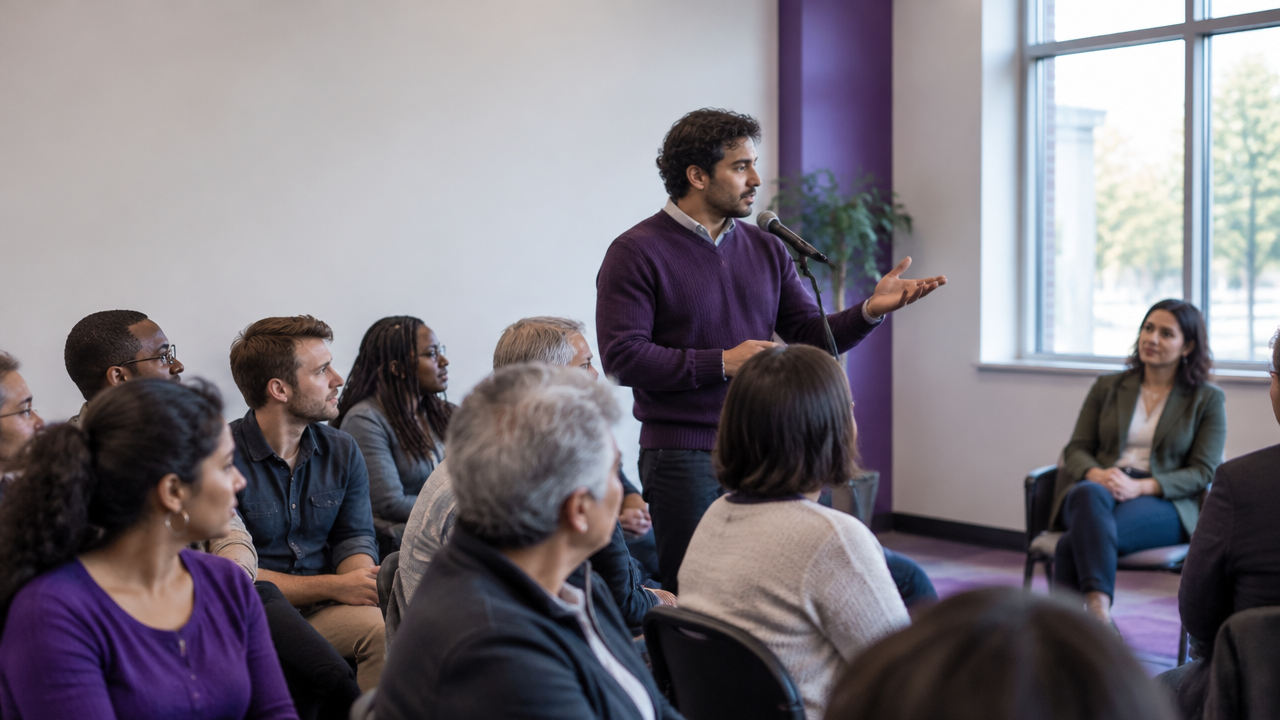

Workplaces do not only run on rules, schedules, and duties. Underneath the visible layer, there is an emotional current shaped by years—sometimes generations—of unspoken beliefs, unresolved conflicts, and inherited expectations. We have seen how these invisible patterns quietly influence how we think, relate, and even how we react to simple daily events. These are what we call emotional legacies in action. Often, it takes a small moment—a phrase, a gesture, a decision—to bring old feelings to the surface.
In our view, recognizing these triggers is the first step to real growth, not just at work but as a society. By shining light on ten workplace triggers, we hope to offer a map for greater self-understanding and cooperative environments.
What are emotional legacies?
Emotional legacies are the feelings, beliefs, and reactions we inherit from past experiences and wider social patterns, often without realizing it. They might come from our families, communities, or collective history. At work, these legacies are often activated by certain situations—called triggers—that seem ordinary on the surface but spark strong feelings inside us.
Now, let’s look at ten workplace triggers that tell us these legacies are alive and shaping today’s world of work.
1. authority figures giving feedback
Few things spark strong reactions like receiving feedback from someone above us in the hierarchy. We have watched people grow tense, defensive, or even silent—not because of what was said, but because old patterns are activated. Sometimes it reminds us of parental criticism, school authorities, or other power figures from our history.
It’s not always the words, but the power behind them, that triggers our old wounds.
If we feel our stomach tighten or our thoughts race, it might not just be about the present moment. It's a hint that emotional legacies are being touched.
2. team meetings and group dynamics
Gatherings that should foster cooperation sometimes create stress instead. Maybe we hold back ideas or get frustrated if someone dominates. Most of us have seen these moments trace back to family meals or school group work—times when we felt ignored, dismissed, or judged. This is a clear example of collective behavior patterns showing up, both for individuals and groups.
3. sudden changes in plans
A shift in deadline, project scope, or leadership decision can set off big reactions. We noticed that some people get anxious and urge for extra control, while others check out completely. Often, these feelings relate to earlier life phases where change meant instability or a loss of safety.
4. public recognition or praise
Being praised in front of peers seems positive, but it can trigger deep discomfort or embarrassment. This has surprised us many times. For some, positive attention stirs old lessons about “not standing out,” or fears of envy and exclusion. These responses may be connected to cultural norms or generational messages about humility and belonging.
5. perceived injustice or unfairness
Situations that feel unfair—like a skipped promotion or unequal workload—ignite passionate reactions. We believe these moments can awaken not just personal disappointments but collective histories of injustice. Workplaces become a stage where stories of exclusion, marginalization, or historical wounds play out again.

6. silent treatment and avoidance
When problems arise, some coworkers withdraw or stop communicating. We have noticed such behaviors are not only circumstantial. They often mirror past experiences where silence was used as punishment, or where open disagreement led to rejection. This ingrained reaction may point to emotional patterns that start at home but live on in the workplace.
7. competition among peers
Healthy challenge can be good, but sometimes we see competition become personal. People compare constantly, or feel threatened by others’ achievements. From what we’ve observed, this competition goes deeper than personal ambition; it draws from past experiences of scarcity or sibling rivalry, where resources—love, praise, or success—felt limited.
8. requests for help or vulnerability
We are often told teamwork matters, yet some shy away from asking for help. There’s a powerful trigger here. It taps into early messages that vulnerability equals weakness or that self-reliance is mandatory. This emotional legacy keeps people from the support that is often available if only they dared to reach out.
9. conflict and confrontation
When discussions become heated, or feedback turns to confrontation, the room itself seems to change. In our experience, this can awaken old discomfort and discomfort. For some, conflict is a threat to safety, reminding them of past fights at home or unresolved issues in their communities.
10. policy changes or institutional shifts
Organizations must adapt, but every change—new policies, restructures, mergers—can act like an amplifier for unresolved emotions. We’ve seen fear, suspicion, and even active resistance. These reactions are not just about work. They connect to inherited stories of loss, uncertainty, or betrayal from the past.

Why understanding triggers matters
We believe that seeing these patterns at work does not mean we are doomed to repeat them. Instead, it’s an invitation. It pushes us to think about emotional education both individually and as a group.
By becoming aware of how emotional legacies are triggered, we can start:
- Regulating our reactions and stepping back before responding.
- Creating safer spaces for open discussion and support.
- Building collective behavior models that prioritize emotional maturity.
- Setting the stage for more trust and honest feedback without fear.
Growth happens when we turn triggers into self-knowledge, not just reactions.
This path supports ethical and respectful collaboration, aligning with the values discussed in social ethics and collective behavior. It also encourages self-reflection, which you can deepen by reading more on self-regulation and systemic roots through systemic constellation approaches.
Conclusion
If we pause for a moment and observe, workplace conflicts and discomforts are rarely about the surface events. Behind each reaction is a story—weaved from individual and collective experiences. When we recognize emotional legacies through these ten triggers, we unlock the chance for healing and real progress.
That’s the work that matters: moving from old, automatic responses to new choices based on understanding and empathy. Our workplaces become healthier when emotional legacies are not hidden but seen, honored, and worked with.
Frequently asked questions
What are emotional legacies at work?
Emotional legacies at work are deeply rooted emotional responses and patterns that people inherit from their personal histories or shared cultural experiences, which shape how they interact in current workplace situations. These legacies often surface when certain triggers appear in the work environment, even if the reasons behind our reactions are not obvious.
What triggers emotional legacies in the workplace?
Triggers often include situations like criticism from supervisors, group meetings, rapid changes, public recognition, or experiences of unfairness. These triggers spark feelings or behaviors that are tied to past experiences, not just the present moment. Recognizing these triggers can help us grow both individually and as a team.
How to identify my emotional triggers?
To identify emotional triggers, notice when you feel a rush of emotion out of proportion to the actual event. Physical signals like rapid heartbeat, tension, or a need to withdraw can be clues that a trigger is touching an old emotional legacy. Reflecting on when these reactions occur can help you spot patterns and trace them back to earlier experiences.
Can emotional legacies affect my job?
Yes. Emotional legacies can guide our decisions, reactions, communication, and relationships at work, sometimes without us realizing it. When these legacies remain unchecked, they may shape how we react to feedback, handle stress, or interact with colleagues, which in turn can affect career growth and workplace harmony.
How to cope with workplace emotional triggers?
Coping with triggers starts with awareness. Pause before reacting. Practice emotional self-regulation by taking deep breaths or reframing the situation. Sometimes, talking to a supportive colleague or seeking guidance on emotional education resources can help. Over time, this approach transforms triggers into pathways for learning and healthier connection.