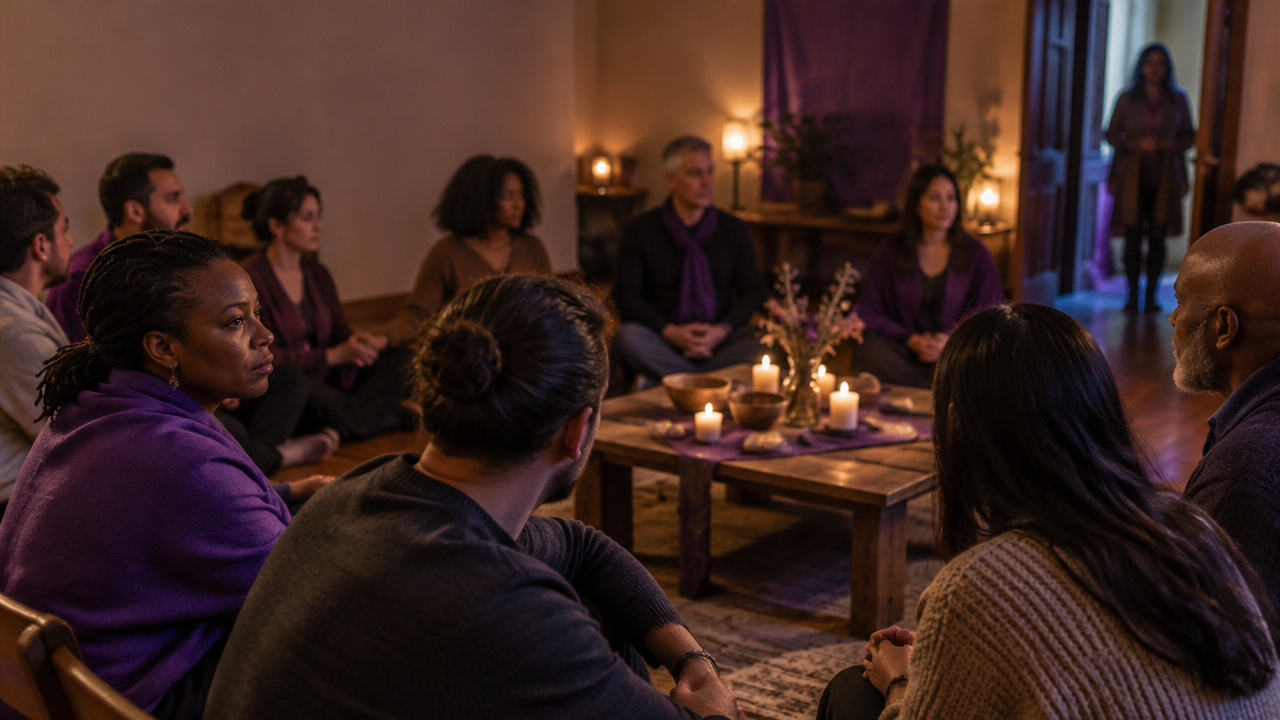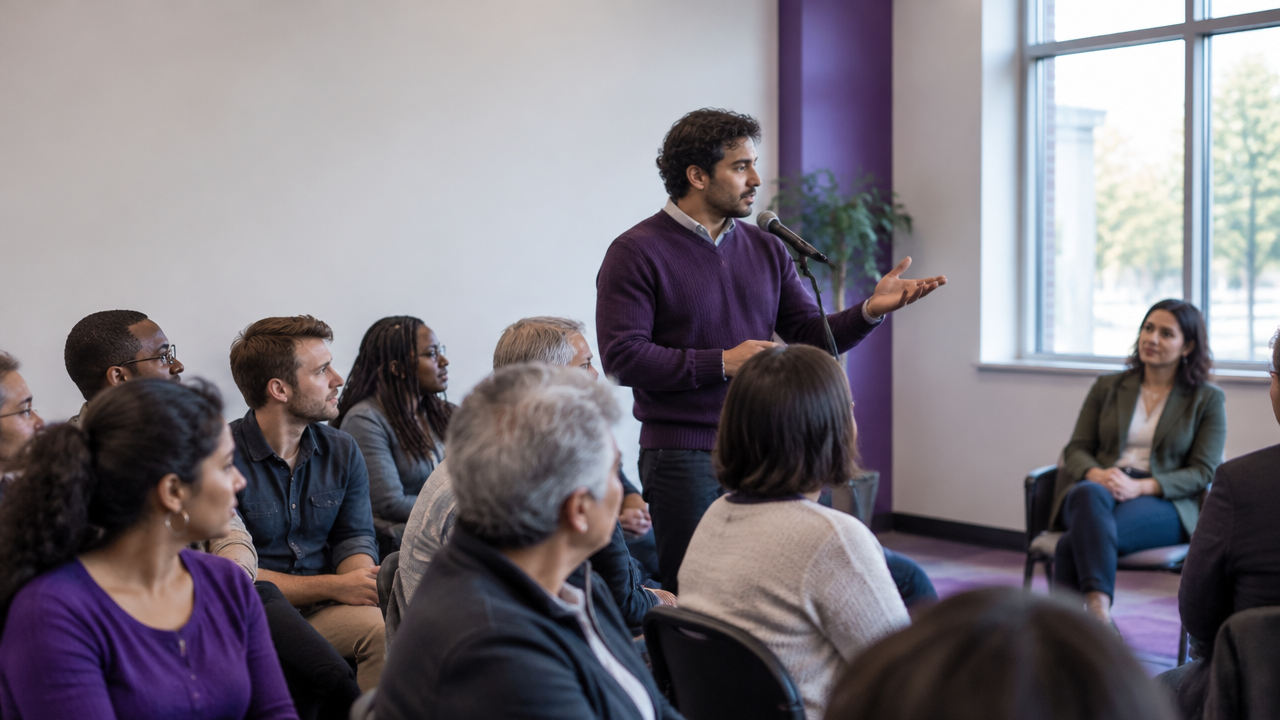


Every day, we participate in rituals without noticing it. We shake hands, celebrate milestones, and stand in silence for moments of remembrance. At the same time, beneath these acts, our emotions swirl—shaping thoughts, reactions, and group bonds. These two forces—rituals and emotions—often dance together. But they are far from the same.
Here, we present what we see as the five main differences between social rituals and emotional patterns. Through stories, analysis, and practical perspectives, we invite you to rethink how our collective routines and internal worlds interact—and sometimes clash or complement.
Rituals are visible, emotions are invisible
One of the first points we raise is the contrast between what people see, and what remains hidden. Social rituals are visible. They are the routine acts or ceremonies that signal values, belonging, or respect in a given context. Think of rituals around weddings, greetings, or annual celebrations. What we see is the action, repeated and often guided by custom.
In contrast, emotional patterns live below the surface. These patterns are recurring emotional responses triggered by relationships, events, or memories. We rarely see them directly; instead, we notice their effects—in a smile that masks nervousness, or in tension felt during a group discussion.
Rituals say, “We belong.” Emotions whisper, “I am afraid, hopeful, or uncertain.”
Rituals shape groups, emotions shape individuals
Social rituals help groups maintain bonds. They create shared identity and unify diverse individuals. Whether a graduation march or a team-building exercise, the very repetition of these acts confirms membership.
With emotional patterns, the focus shifts. While social events can trigger or soothe emotions, the patterns themselves run on internal scripts. Someone who learned to withdraw in childhood during conflict, for example, may carry this response into adult life, even in new groups.
- Rituals are external, collective actions.
- Emotional patterns are learned or inherited responses.
- Both mold behavior, but rituals create predictability while emotions add nuance or contradiction.
Their functions differ: ritual vs. regulation
We find that social rituals often serve to stabilize, mark transitions, or comfort. Imagine the calm of a morning routine, or the collective relief in shared silence after loss. These acts provide meaning and rhythm.
Emotional patterns regulate our reactions. They are the subconscious rules our minds follow when comfort or threat appears. When someone feels anxious during group rituals, it may not be about the ritual itself, but about an old emotional script. These patterns might guide us to seek comfort, distance ourselves, or react defensively—not always aligned with what the ritual expects.
In our experience, rituals try to bring order. Emotional patterns, left unaddressed, can produce chaos—even during the most structured event.
Rituals are easy to share, emotions are hard to communicate
A powerful distinction lies in transmission. We can teach rituals. Children learn how to greet, how to form lines, when to clap or be silent. Rituals are passed down with clear rules, creating continuity.
Emotional patterns, though, are not so easily expressed. Many of us struggle to put feelings into words, or only realize what we feel in hindsight. Emotions are learned through modeling, experience, and deep relational cues, not by simple instruction.
You can show someone how to bow, but not how to feel at peace.
This gap means that while group rituals unite outwardly, emotional worlds can remain private or misunderstood. In work on emotional education and self-regulation, we have seen this repeatedly. Groups seem connected by rituals, but shared emotional understanding often lags behind.
Change is easier with rituals than with emotional patterns
We often think about how fast or slow societies can transform. It is usually easier to update or replace a social ritual than to shift an ingrained emotional pattern. For example, a school may replace a graduation handshake with a fist bump. The ritual changes and spreads quickly.
Yet, if students feel nervous, disconnected, or mistrustful underneath, that emotional pattern endures long after the handshake is replaced. Real emotional change demands awareness, education, and often, collective effort. These themes appear strongly in experiences of collective behavior and in work with systemic constellations.
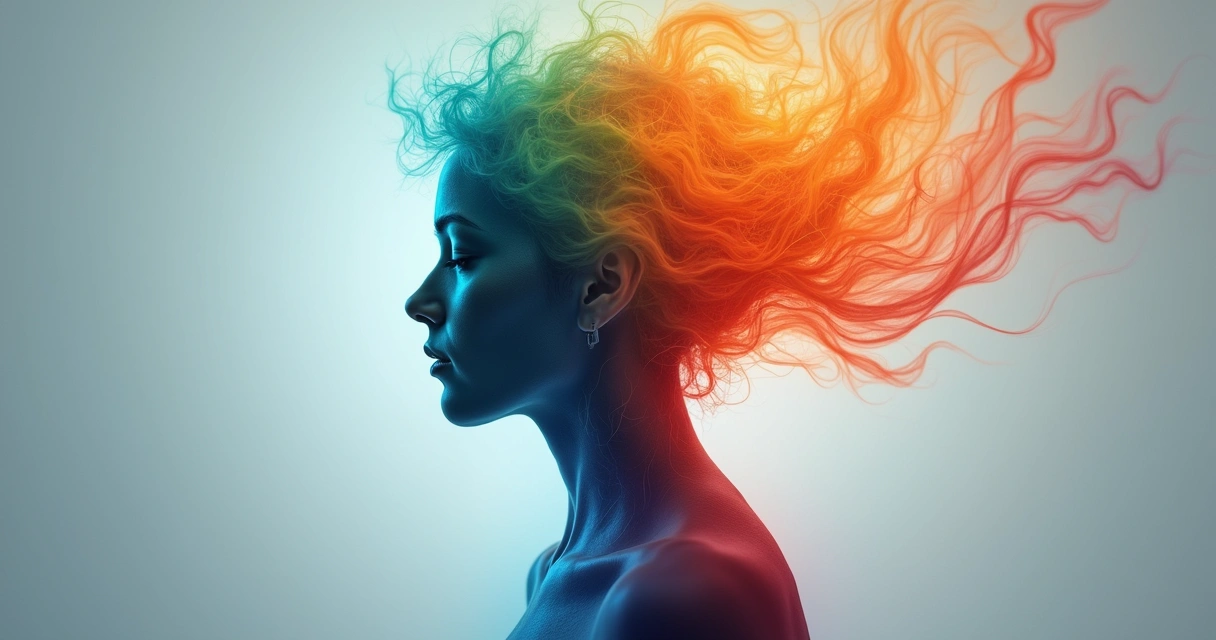
Lasting change in groups becomes durable only when emotional patterns are made conscious and integrated. This is why, in our view, ethical progress or genuine cooperation relies on more than adopting new rituals. It asks us to work with the tidal forces of emotion, not just the surface of action.
Conclusion: Bridging two worlds
When we see a ritual, we witness a piece of social architecture—public, repeatable, and built for togetherness. When we tune into emotional patterns, we sense the undercurrents—private, often unspoken, and varied by history and temperament.
For real change, both worlds matter. Working on social rituals brings structure, but working on emotional patterns brings transformation. Groups become healthy not only by doing things together, but by understanding what everyone carries inside. In our research on social ethics, we always return to this: the most meaningful ritual is one that connects to real emotion, and the most sustainable emotional change is the one that finds expression in new, living rituals.
The dialogue between what is shown and what is felt may be the most human conversation of all.
Frequently asked questions
What are social rituals and emotional patterns?
Social rituals are shared, repeated actions or ceremonies that signal unity or mark an event, while emotional patterns are internal, recurring ways we feel and react, often shaped over time. One is public and can be described easily; the other is internal and more complex.
How do social rituals differ from emotions?
Rituals are about what we do together, acting as scripts for group situations. Emotions are what we experience individually, sometimes silently. A ritual might involve everyone clapping, but some participants might feel joy, others worry, and some indifference.
Why are social rituals important?
Social rituals help groups organize, build trust, and recognize meaning in shared experiences. They help people connect, even when they have little in common outside the event itself. Rituals offer comfort and structure, and they play a role in social stability.
How can I identify emotional patterns?
To notice emotional patterns, watch for feelings or reactions that repeat in similar circumstances. For example, becoming anxious before meetings or feeling defensive during feedback. If you often react the same way in repeated settings, you are likely noticing an emotional pattern.
Can social rituals change emotional patterns?
They can help, but not always. Rituals offer structure, which sometimes makes it easier to change how we feel, but lasting emotional change usually requires reflection, communication, and sometimes guidance or support. Rituals are an entry point, but deeper work with emotion is often needed for change.