

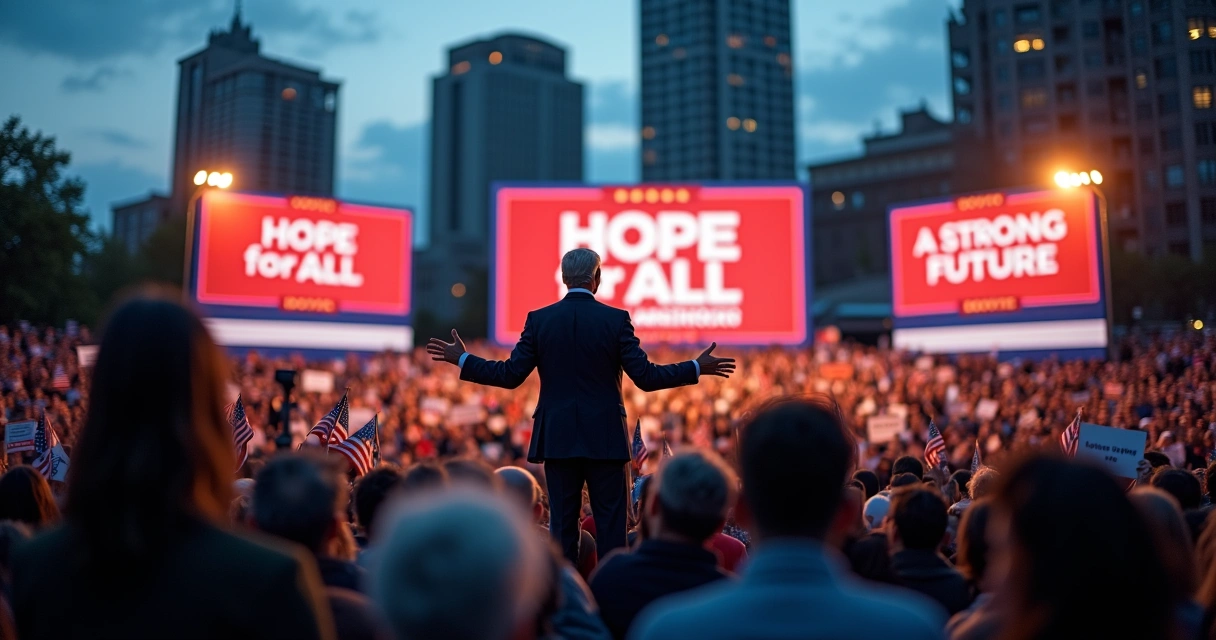
We watch political campaigns year after year, noticing how carefully words are chosen and public images crafted. Political messaging isn’t only about what is said, but just as much about what is left unsaid. One subtle yet powerful dynamic at play is emotional avoidance. Understanding when and how political campaigns avoid direct engagement with public emotion helps us see past surface promises to the real drivers of collective decision-making.
What does emotional avoidance look like?
Emotional avoidance is the deliberate or unconscious sidestepping of collective feelings, especially those that are uncomfortable, vulnerable, or difficult to address directly. In the high-stakes world of political campaigns, leaders often walk on eggshells around certain emotions. Instead of openly discussing fear, anger, grief, or guilt present in the electorate, campaigns use various tactics to steer public attention elsewhere. This not only shapes policy conversations but can influence the entire tone of a campaign.
We often hear candidates pivot away from raw emotion by emphasizing hard data, lofty visions, or even stirring up unrelated feelings that serve as distractions. The avoidance tactic isn’t always obvious, but there are clear patterns once we start to notice them.
Why understanding this matters
Emotions circulate in society like invisible currents. If these are not named and addressed, they don’t simply vanish. Unacknowledged collective emotions resurface in distorted ways, fueling polarization, group distrust, and even policies that reflect hidden fears rather than open dialogue. Political campaigns, as mirrors of society, show us not only what we think, but how we feel beneath the surface.
As a society, we benefit from seeing these dynamics for what they are. Emotional education is an ongoing topic we work with, as it empowers people to be less manipulated by hidden fears and more receptive to inclusive, mature narratives. Readers interested in collective emotional patterns can find resources in our section on emotional education, which expands further on these themes.
Common patterns of emotional avoidance
Through research and observation, we’ve recognized several recurring tactics used by political campaigns to avoid open emotional engagement:
- Overrationalizing – flooding the conversation with statistics, facts, and figures to create distance from real feelings.
- Reframing with optimism – using positive slogans or blanket hope to mask undercurrents of societal anxiety or anger.
- Redirection to scapegoats – channeling blame toward external groups or vague concepts, instead of exploring collective responsibility or sadness.
- Moralizing and virtue signaling – using moral superiority to sidestep shared vulnerability or doubt.
- Humor and mockery – using jokes or sarcasm to diffuse tension rather than confront what is uncomfortable.
Not every campaign uses every tactic, but most rely on two or three of these when confronted with collective emotions that feel “too much” for open discussion.
Recognizing the signs in real time
When we see campaign speeches, advertisements, or social media posts, we can train ourselves to look for moments where emotions are present but unspoken. Ask:
What is not being said here?
Listen for sudden pivots. If a question about economic insecurity leads to jokes or statistics, notice what feelings are left behind. If a community’s grief is met with hollow platitudes instead of honest acknowledgment, this is a clear sign of avoidance.
We also witness deflection in debates, where a candidate might turn a question about social division into a summary of their own achievements, never once naming the collective anger or guilt at play.
How collective emotions shape the message
It helps to understand that collective emotions act as invisible architects in society, quietly building the frameworks for our public discussions and political realities. We’ve seen situations where fear is present but isn’t named, and this silence only helps it grow. Instead of unraveling the roots of distrust, campaigns sometimes make general statements about national pride or unity, hoping the surface calm will outweigh deeper unrest.

Drawing attention away from collective wounds doesn’t heal them. Instead, it often results in the very polarization that campaigns claim they want to avoid. Only when leaders name, validate, and gently work with these hidden currents does true transformation begin.
Consequences of emotional avoidance
We have consistently seen that when political campaigns sidestep difficult feelings, the consequences often show up in unexpected places:
- Voters feel disconnected and skeptical about campaign promises.
- Social divisions deepen as unaddressed anger or guilt sharpens between groups.
- Temporary solutions are offered in place of lasting, systemic change.
- Trust in institutions declines when collective emotions are minimized or denied.
These outcomes aren’t always recognized as stemming from emotional avoidance, but they often trace back to campaigns that did not engage directly with the public’s authentic emotional state. Some of these patterns are discussed further in our resources on collective behavior.
What can we do as citizens?
As ordinary people, we are not powerless in the face of emotional avoidance. We have found it useful to:
- Pay careful attention to gaps between what is said and what is felt in the room.
- Ask follow-up questions, especially about shared challenges and wounds.
- Reflect on our own feelings as part of the collective field, not as personal failings.
- Support politicians who acknowledge and work with collective emotions honestly.
- Become more emotionally literate ourselves, recognizing when avoidance is present.
This active awareness creates space for healthier public discussion and, in the long run, more balanced social outcomes. Readers interested in practical tools for this can find them in our section on self-regulation.

Where to learn more?
Because emotional avoidance is such a widespread phenomenon in campaigns, we suggest looking into social patterns and ethics for deeper context. Many of our readers start with the social ethics section or use the site’s search tool to focus on topics that matter to them most.
Conclusion
Emotional avoidance in political campaigns is subtle but powerful, shaping both the message and, over time, the public’s trust in leadership. By learning to spot these patterns, we gain agency as citizens and contribute to the kind of honest, mature public life that supports true social progress. When citizens, leaders, and organizations learn to recognize and integrate collective emotions instead of avoiding them, public life becomes richer and more authentic for everyone.
Frequently asked questions
What is emotional avoidance in campaigns?
Emotional avoidance in campaigns is the act of sidestepping, minimizing, or not acknowledging the genuine emotions present in society or within the electorate during political messaging. This can involve ignoring fear, anger, or sadness and choosing instead to focus on neutral or distracting topics.
How to identify emotional avoidance tactics?
Look for patterns like an over-emphasis on facts, shifting to positive rhetoric without context, blaming outside groups, using moral superiority, or making jokes to deflect. Pay attention to sudden topic changes when difficult emotions arise or when honest conversation is replaced by generalizations.
Why do politicians use emotional avoidance?
Politicians use emotional avoidance to maintain control of their image, avoid risks, and appeal to a broad base. Addressing difficult emotions can feel risky and unpredictable. By avoiding certain topics, politicians try to create the appearance of stability and certainty.
How can I spot emotional avoidance easily?
Listen for what’s missing in political talk. When a campaign quickly shifts from an emotional question to unrelated statistics, jokes, or generic positive statements, it’s often avoidance. Notice when feelings are left unspoken, despite being present in the community.
What are examples of emotional avoidance in politics?
Some examples include: claiming “we’re all fine” during times of crisis, blaming complex issues on outside forces instead of recognizing collective responsibility, ignoring subjects like grief after tragedies, and making light of serious concerns with humor. These tactics protect campaigns from uncomfortable discussions but often delay real solutions.