
Every organization sets out to make fair, rational choices about hiring and promotion. But reality often has other plans. Behind the formal interviews, written applications, and panel discussions, there is a shared emotional undercurrent that steers decisions in powerful and often subtle ways.
Where do group emotions begin?
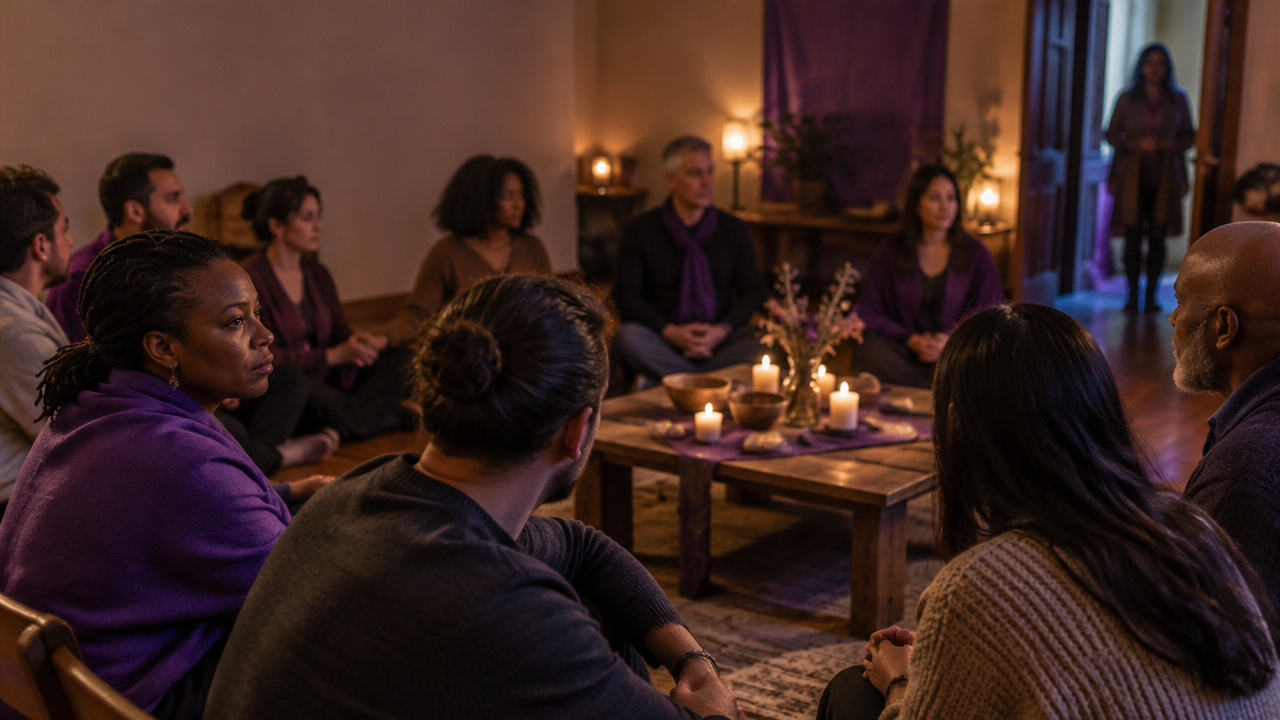
We all bring our individual feelings to work: excitement, anxiety, ambition, even doubt. These emotions rarely stay contained. They ripple outward, mixing with the moods of others until the group develops a shared emotional field. Over time, this field becomes so familiar that it feels “normal”—even invisible. Yet it can quietly steer who is welcomed, who gets noticed, and who receives trust.
This process seldom begins with a plan. It starts with our natural human drive to belong. When a group spends time together—at meetings, social events, or while solving problems—a collective emotional tone takes shape. It might be tension and caution in a team that recently faced layoffs. It might be optimism and camaraderie after a big project success. People unconsciously tune in and tune themselves to these shared emotions, shaping their behavior to fit.
How the emotional field guides decisions
Within this emotional setting, hiring and promotion become more than a technical process. Emotions color our perceptions, heighten certain signals, and dampen others. Group emotions whisper, “People like us are reliable,” or “Ambition is risky here,” even if nobody speaks those words aloud.
What does this mean for decision-making? It means that, even before reviewing a resume, group emotions have primed a collective lens through which every candidate will be seen.
Sometimes, the feeling in the room decides before anyone else does.
From resumes to gut feelings: Subtle selection in action
Imagine a hiring panel that has just been through a tough year. They might crave stability without realizing it. A bold, energetic candidate could unconsciously trigger group anxiety or resistance, regardless of their skills. Alternatively, if a group celebrates creativity and risk-taking, a cautious applicant may seem underwhelming, even if perfectly competent. These subtle cues shape not only whom we choose, but whom we notice, invite to the table, and ultimately endorse.

We have noticed that these dynamics often happen under the radar. People might honestly believe they are being open-minded or objective. But as a group, our attention narrows. We become hypersensitive to cues that match the group’s emotional needs, and less interested in what feels unfamiliar. This is especially visible during promotion discussions, where the decision-makers’ comfort with risk, change, or ambiguity often steers choices as much as formal criteria.
These emotional patterns can be self-reinforcing. A group that unconsciously fears conflict may overlook candidates who show directness, even when that quality is needed. A team that identifies with past success may miss emerging talent that signals “different equals danger.”
Unintended patterns: Who gets included or excluded?
Once we understand that group emotions steer focus and attention, it is easy to see how certain patterns appear. The same types of candidates might keep rising, while others are repeatedly overlooked. Often, this is not about prejudice in the traditional sense, but about a group maintaining emotional equilibrium by unconsciously picking people who “feel comfortable.”
Consider these patterns we have seen:
- Groups under high stress may repeatedly pass over bold or innovative candidates, favoring those who seem calm and reassuring. This maintains a sense of stability, but can block fresh perspectives.
- Groups that are proud of their risk-taking culture may not promote quieter, steadier employees, even though reliability is as valuable as creativity in many situations.
- Groups dealing with unspoken guilt—such as after a round of unpopular decisions—may elevate those who show compliance or support, ignoring those who ask difficult questions.
This is rarely discussed aloud, but its impact is clear. The emotional field of the group rewards some qualities and discourages others, shaping “who fits” and “who advances.”
Recognizing emotional influence in hiring
Unconscious group emotions play a stronger role in hiring and promotion decisions than most people realize. They steer our attention away from candidates who do not “match the mood,” regardless of their experience or qualifications. In our experience, many organizations only recognize these patterns in hindsight, after realizing key skills are missing or diversity is stagnant.
Some clues that emotions are running the show include:
- Decision meetings that revolve around “gut feelings” or “chemistry,” with little discussion of concrete evidence.
- Pressure to reach consensus quickly, especially when tension rises, resulting in safe or familiar choices.
- Quiet discouragement—or outright dismissal—of candidates who raise uncomfortable issues, challenge the group’s self-image, or advocate for change.
When we pay close attention to these signs, we can better spot emotional fields at work.
Starting to shift the group emotional field
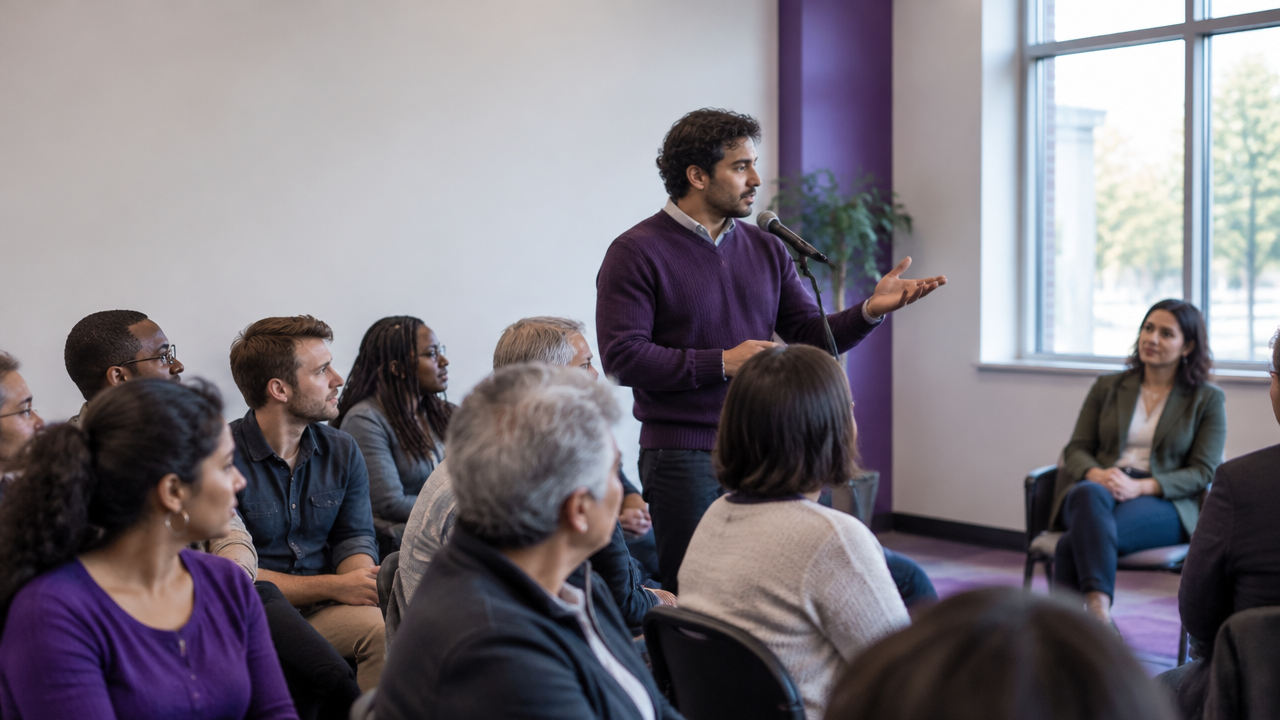
We have found that simply naming the group’s emotional state can bring it into focus, making hidden forces visible. When decision-makers ask, “What emotions are present in this group right now?” it opens room to acknowledge tension, fear, or hope, instead of pretending these feelings are not there.

Bringing in simple reflective practices, such as asking everyone to share what they are feeling before discussing candidates, can also change the emotional climate. This does not remove emotion—but it reduces invisibility. When emotions are named, their influence shrinks. We become more able to notice when we are favoring comfort over growth, or harmony over needed diversity.
If you are looking for more insight into collective behavioral patterns, we suggest reading our collective behavior section. Social structures and organizations are living emotional systems, and understanding these forces is the first step toward fairer, wiser decisions.
The ethics of emotion in leadership
Unconscious group emotions are not the enemy—but unexamined emotion leads to unbalanced choices. The solution is not to suppress or deny feelings, but to integrate them consciously into our decision-making.
Emotional maturity in organizations leads to fairer hiring and promotion choices. Leaders who are committed to social ethics (such as those discussed in our social ethics collection) know that transparency about group emotions fosters trust and depth. When we acknowledge that each group operates within an emotional field, we can balance empathy with objectivity.
Education plays a key part. Practicing emotional self-regulation (find out more at our self-regulation articles) helps us make choices less driven by reactivity or comfort-seeking.
How emotional education creates positive change
We believe the future of healthy hiring and promotion depends on emotional education. Organizations that talk openly about group emotions, invest in developing emotional intelligence, and reflect on their collective behaviors (you can read more in our emotional education library) see better outcomes for everyone.
Systemic practices—such as the systemic constellation methods we share in our systemic constellation resources—offer tools for revealing the emotional roots of recurring group patterns. This helps break cycles of unconscious exclusion and fosters an environment where new perspectives are welcomed.
Conclusion
Group emotions do not appear in board reports, but they are felt in every hiring and promotion meeting. When we tune into the emotional field, we shine light on unwritten rules that shape who enters, who belongs, and who rises. With honest awareness and education, we can create organizations where decisions reflect our best values—welcoming diversity, respecting courage, and building lasting trust.
Frequently asked questions
What are unconscious group emotions?
Unconscious group emotions are the shared feelings and moods that arise within a group of people, usually without anyone naming or discussing them directly. These emotions influence how the group thinks and acts together, shaping judgments, decisions, and reactions at a collective level.
How do group emotions affect hiring?
Group emotions affect hiring by subtly guiding who feels like a “good fit,” whose strengths are highlighted or downplayed, and how candidates are evaluated. For example, a team feeling anxious may favor candidates who seem safe, while a group excited about change may lean toward more energetic applicants, even if both are equally qualified.
Can emotions bias promotion decisions?
Yes, group emotions can bias promotion decisions by causing teams to choose based on comfort, familiarity, or emotional needs, rather than only objective performance. This can result in excluding candidates who think differently, challenge norms, or bring new skills, limiting the team's growth and diversity in the long run.
How to reduce emotional bias in hiring?
To reduce emotional bias in hiring, organizations can encourage open discussions about group feelings, use structured evaluation criteria, and include multiple perspectives in decision-making. Additionally, investing in emotional education and self-regulation training helps decision-makers spot and balance their feelings before making final choices.
Why are group emotions hard to notice?
Group emotions are hard to notice because they become the “background noise” of group life—so familiar that people rarely pause to reflect on them. Since these emotions are shared, there’s less reason for anyone to question or discuss them, making their influence easy to overlook until someone intentionally brings them into the open.