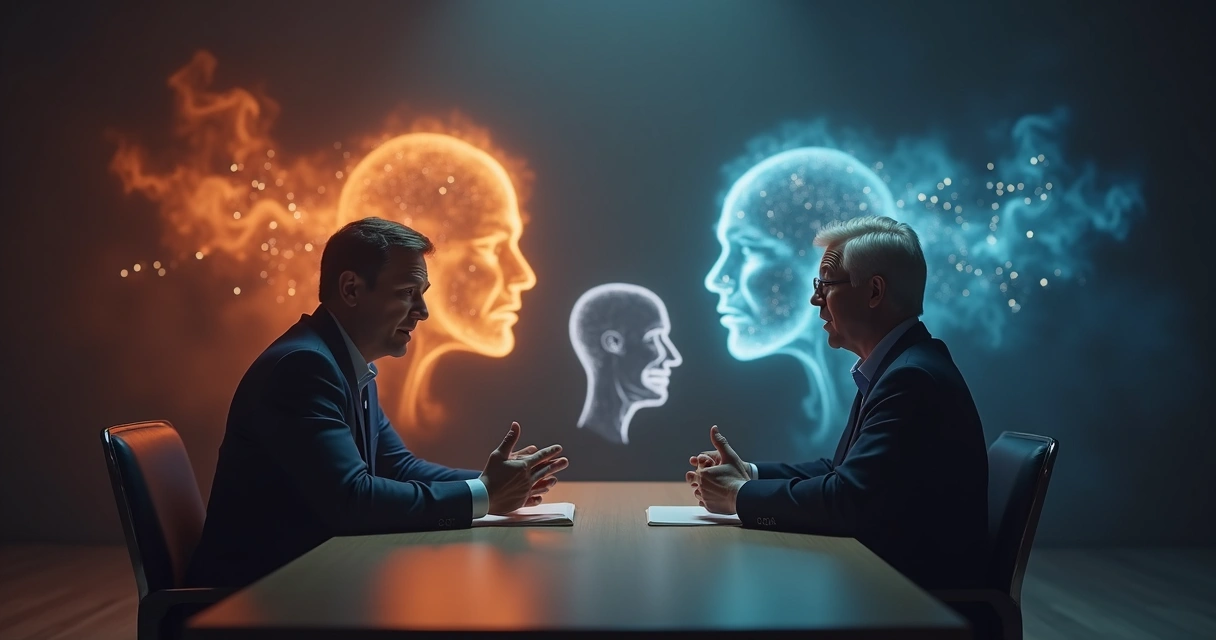
Political debates are rarely just intellectual exercises. They are emotional fields, where personal histories and deep feelings influence words, tones, and even the direction of entire conversations. Sometimes, emotions become so strong that they distort reality, shaping not only what is said but also what is heard. This dynamic is known as emotional projection—a process where a person attributes their own feelings or motives to someone else. It often happens without awareness, yet it drives misunderstanding, conflict, and division. In today’s polarized climate, learning to spot emotional projection can change how we see and engage with public discourse.
What is emotional projection?
In our view, emotional projection is not a rare psychological trick but a daily occurrence, especially when stakes are high. The core of projection is simple: we see in others what we are not fully prepared to see within ourselves. In political debates, this often means one side accuses the other of negative traits, motives, or emotions that are actually present, sometimes unconsciously, in themselves.
Projection is not always intentional or malicious. More often, it is a defense mechanism, part of the mind’s way to avoid facing uncomfortable truths. But when it shapes debate, it clouds facts with feeling, and makes honest conversation much more difficult.
Common signs of emotional projection in politics
Spotting projection is not always straightforward. People rarely declare, “I am projecting right now.” Through observation, however, certain patterns become clear over time.
- Accusations that mirror the accuser’s own behavior: When someone claims their opponent is dishonest or manipulative, and there is little evidence, ask whether this might actually reflect something within themselves.
- Exaggerated certainty: Statements made with total conviction—often about other people’s motivations—can sometimes cover up inner doubt.
- The use of “always” and “never”: Sweeping generalizations tend to reveal anxiety or unresolved issues the speaker holds.
- Defensiveness to simple questions: If someone reacts strongly to gentle challenges, they may be defending against internal discomfort being stirred up.
- Shifting blame rapidly: When a person redirects blame to others immediately, it may signal they are not prepared to face their own involvement in problems discussed.
We have seen passionate debates about policy turn personal with startling speed, simply because one person unconsciously felt threatened or criticized, then projected this discomfort onto the other.
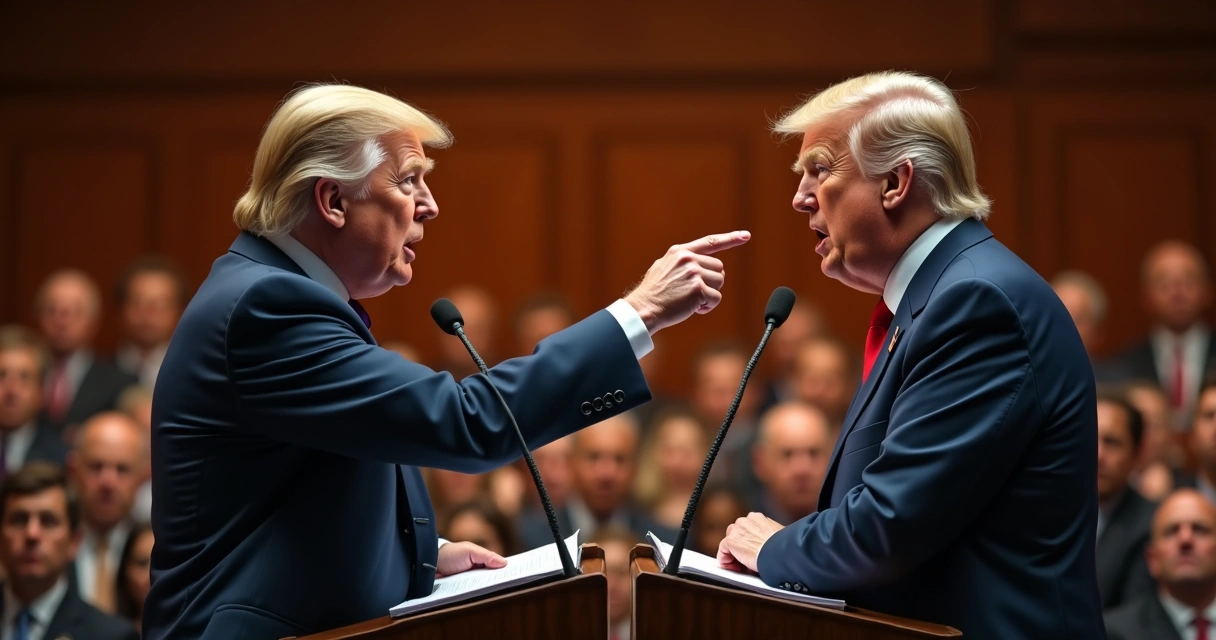
Patterns and triggers to watch for
Projection does not arise out of nowhere. We have noticed that political debates often trigger projection when core values are challenged, or when conversation touches on identity, security, or past experiences.
- Debates on topics with high moral charge, such as justice, freedom, or equality.
- Moments when the conversation shifts from facts to speculation about motives.
- Situations where the stakes feel personal rather than collective.
- Discussions that echo unresolved issues from family or community backgrounds.
When we feel threatened by ideas that unsettle our beliefs, projection becomes a shield. Recognizing these triggers is the first step toward noticing when the debate stops being about ideas—and starts being about personal feelings playing out in public.
Examples of emotional projection in political debates
It is one thing to talk theory, but clear examples help ground the discussion. We can draw from some patterns we have observed:
- A speaker condemns their opponent’s supposed lack of patriotism, though their own recent actions show a disregard for shared values.
- Commentators accuse others of fearmongering, yet their arguments rely on stoking fear among supporters.
- Someone blames another group for division, without seeing their own role in escalating conflict.
These moments can seem routine or even invisible. Yet, we believe, the impact of emotional projection is far from harmless—it shapes the emotional climate of societies and affects decisions at every level.
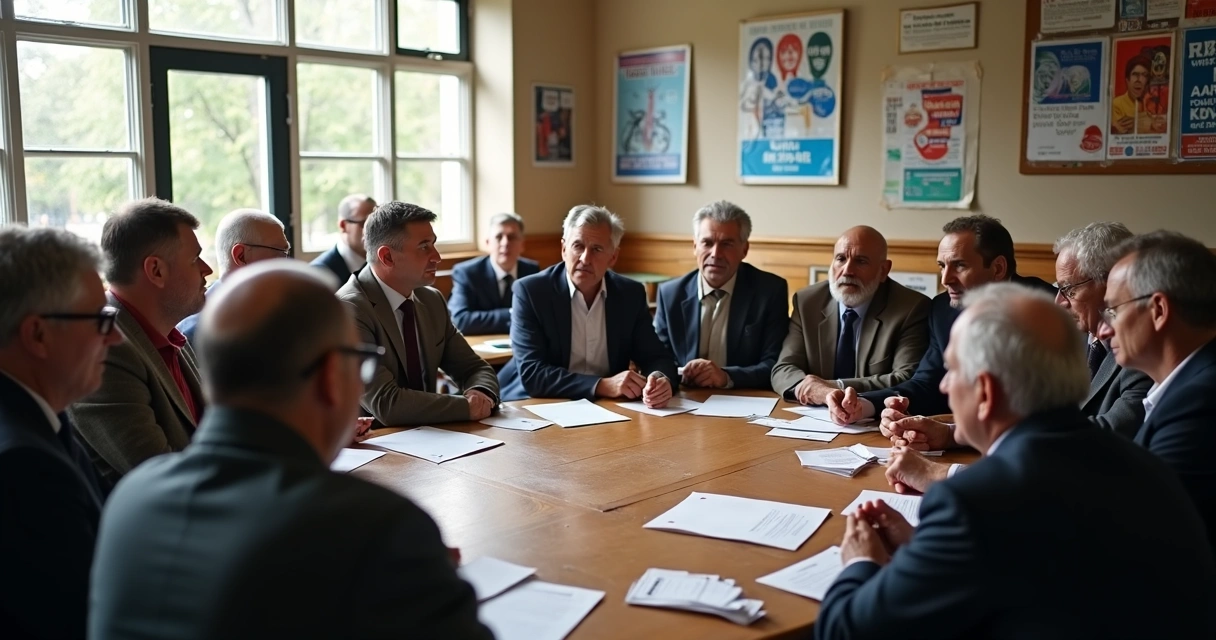
Why is it so common?
We have found that emotional projection happens so frequently in politics for a reason. Political issues are not just about policies or facts—they reach into personal identity, history, and emotion.
Debate brings out what we hold inside.
When there is little space for vulnerability or reflection, projection takes over, because it feels safer than looking inward in public.
Ignoring this process not only leads to more misunderstanding, but also prevents growth—both personal and collective.
How to recognize when you are projecting
Recognizing projection in others is one thing. Noticing it in ourselves is far more challenging. We suggest paying attention to certain “flags” in your own reactions:
- Emotional intensity: If your reaction seems far stronger than a debate warrants, it could hint at something deeper.
- Feeling personally attacked by neutral statements.
- Wanting to quickly blame others for how you feel.
- Struggling to see any value in another’s perspective, seeing only threat or bad intent.
Pausing for a moment to ask, “Is this really about them, or about something in me?” can be the start of more honest participation in any debate.
Steps to reduce the effects of projection in debates
While projection will always play some part in group dynamics, we have learned that a few intentional practices make debates less emotionally charged and more productive.
- Reflect before reacting: Notice which points bring up a strong internal reaction, and give yourself some space before responding.
- Ask clarifying questions: When confronted with a sweeping accusation, gently ask for specific examples or context.
- Practice active listening: Try to hear what is actually being said, not just what you fear it means.
- Develop emotional self-regulation skills. Techniques for calming your initial feelings (including deep breathing and grounding exercises) can help. For more approaches, take a look at resources on emotional self-regulation.
- Value emotional education: The more we learn about our own emotional patterns, the less we are thrown off course by others. Emotional education strengthens group conversations as well as personal growth.
- Reflect on collective patterns: Sometimes, repeated accusations point to group anxieties, not just individual issues. Insights from the study of collective behavior and social ethics can help reveal broader emotional trends.
For further reading
Curiosity about patterns in public debates can open up questions. If you feel interested, you can find more conversations and connections through our blog search.
Conclusion
Identifying emotional projection during political debates is not about proving who is right or wrong, but about opening space for awareness, empathy, and real communication. When we see projection for what it is—an emotional message, not a literal fact—we gain clarity.
If we can practice recognizing these moments in ourselves and in others, we create a foundation for honest and respectful debates. This makes it easier not only to discuss ideas but to build new levels of understanding, trust, and cooperation for the society we all share.
Frequently asked questions
What is emotional projection in debates?
Emotional projection in debates is when someone unconsciously attributes their own feelings, motives, or anxieties to another person or group during discussion. This process shapes the tone and direction of debates by making personal emotions seem like “facts” about others.
How can I spot projection in politics?
Look for repeated accusations that seem disconnected from evidence, sweeping or exaggerated claims, and strong emotional reactions to neutral statements. If blame is shifted quickly and the debate becomes personal, emotional projection may be in play.
Why does projection happen in political talks?
Projection happens because political topics often connect to deeply held beliefs or fears. When people feel threatened or uncomfortable, their minds may defend against this discomfort by seeing it outside themselves—often in their opponents.
How to deal with emotional projection?
The best way is to pause and reflect before responding. Practice active listening, ask clarifying questions, and be curious about your own emotional reactions. Building emotional self-awareness and using self-regulation techniques can reduce the impact of projection in conversations.
Can emotional projection change debate outcomes?
Yes, emotional projection can influence debate outcomes by distorting perceptions, increasing polarization, and making agreements more difficult to reach. Becoming aware of projection helps keep debates focused on ideas and facts rather than personal attacks.