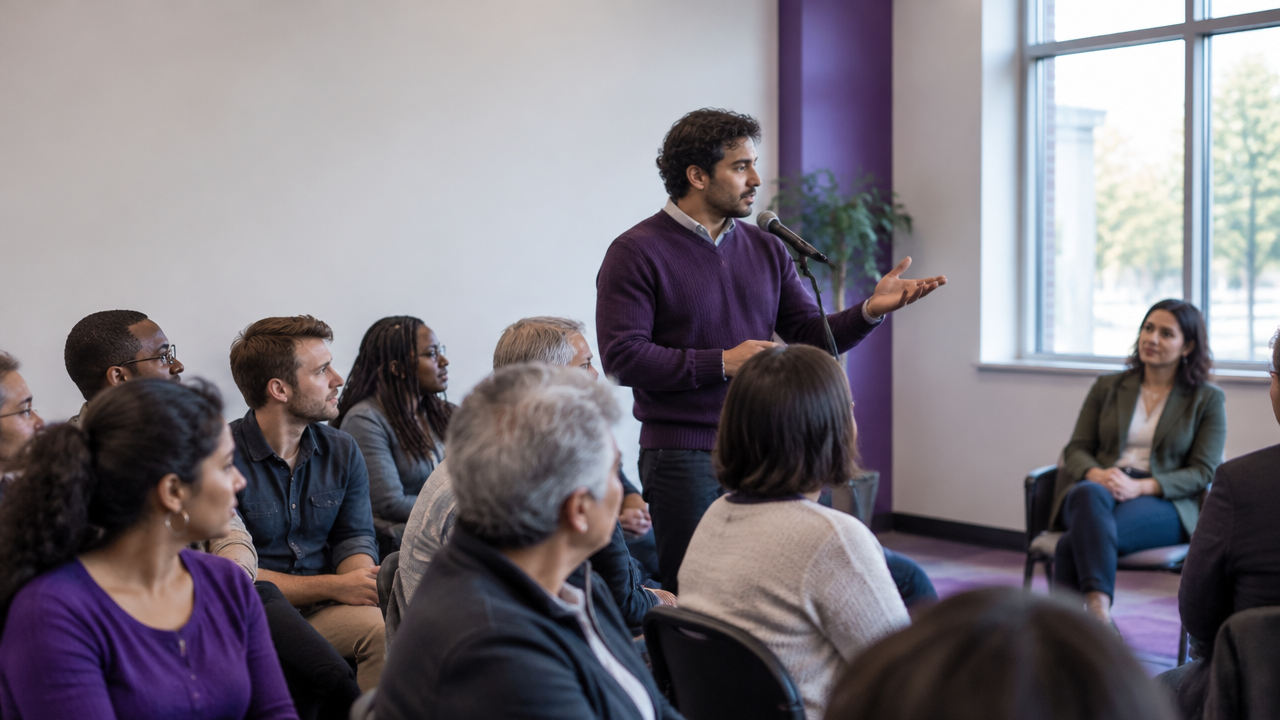

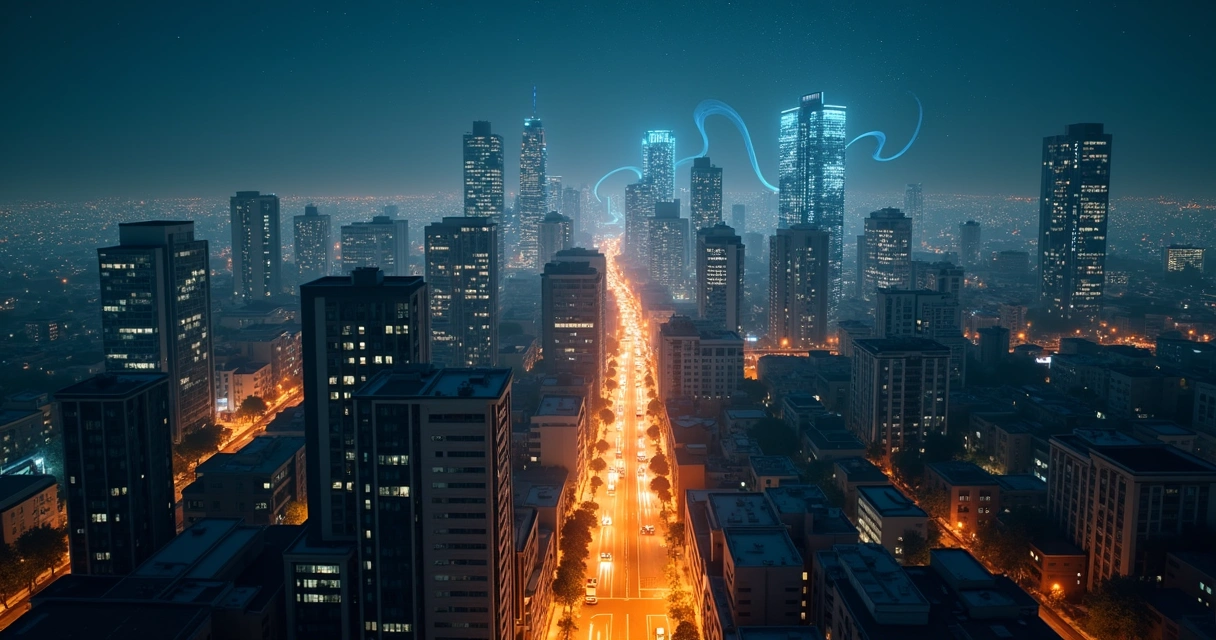
When people talk about urban change, they often point to rent, transport, housing, crime, or policy. We think that is only part of the picture. Cities also change through emotion. Quietly. Daily. In ways that are easy to miss.
Urban life is shaped not only by systems and buildings, but by the feelings people carry through them.
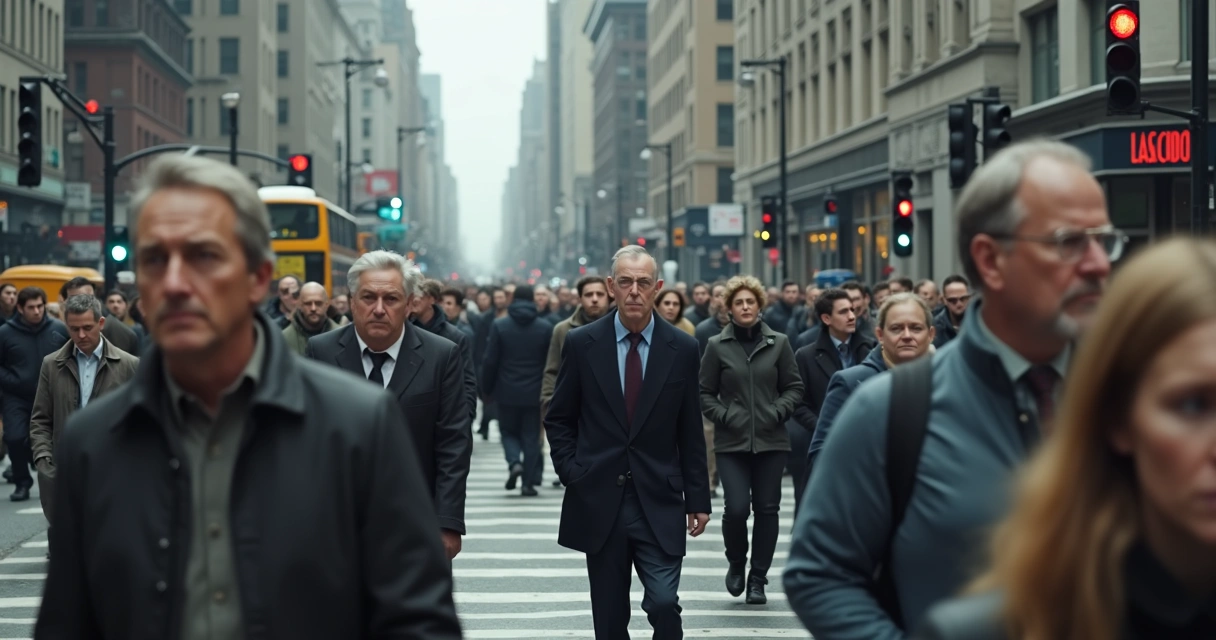
We see this in small scenes. A tense subway ride. A silent street where no one greets each other. A park that fills up after a hard season because people need relief, not just recreation. These emotional patterns do not stay private. They spread into habits, votes, rules, neighborhood trust, and public behavior.
Below, we share seven emotional drivers that often sit behind social change in cities without getting much attention.
1. Low-grade fear
Not all fear comes from a direct threat. In many cities, people live with a background feeling that something may go wrong. It may be fear of losing income, fear of public disorder, fear of strangers, or fear of being left behind by change.
This kind of fear changes how people move and relate. They avoid public space. They support harder control. They trust less. They pull back from community life.
We have also seen how urban form feeds this emotion. Research on high-density urban environments and rising mental tension showed that dense settings can increase anxiety among residents. That does not mean density is always harmful. It means emotional pressure must be part of city planning.
Fear asks for control.
When fear settles into the public mood, social change often moves toward rigidity instead of care.
2. Exhaustion that turns into detachment
Some neighborhoods do not collapse in open conflict. They fade through exhaustion. Long commutes, noise, unstable work, overstimulation, and constant adaptation can leave people too tired to participate.
This emotional driver is easy to miss because tired people do not always protest. They disengage. They stop attending local meetings. They stop helping in shared spaces. They stop believing their voice matters.
We think this matters because detached people do not build strong social fabric. If we want to understand public decline, we need to include emotional wear. Conversations around self-regulation can help us see how chronic overload shapes behavior far beyond the individual.
Exhaustion does not stay personal for long. It becomes social absence.
3. Unspoken anger
Anger does not always appear as violence. Often, it hides behind sarcasm, online hostility, rude service, harsh traffic behavior, and instant blame. In urban life, many people feel unheard for years before their anger finds a form.
We have noticed that cities with fast change often produce this feeling. A resident sees the street change, prices rise, familiar places vanish, and decisions happen far away. Even if the city looks renewed, the person may feel erased.
That emotion can feed:
Polarized public debate
Distrust of institutions
Hostility between social groups
Support for punitive responses
This is why reflection on collective behavior matters. Group tension often begins as accumulated personal anger that no one named early enough.
4. Social shame
Shame is one of the least discussed forces in city life. Yet it shapes where people go, how they speak, what they hide, and whether they ask for help. Shame grows when people feel they do not belong in the city they live in.
This can happen through poverty, accent, dress, schooling, race, age, or housing status. A person may avoid public services, cultural spaces, or community events not because they do not care, but because exposure feels painful.
We think shame has strong social effects because it weakens participation without making noise. It can also lead people to accept unfair treatment as normal.
In discussions of social ethics, shame deserves more space. A city cannot be healthy if large groups feel seen only when they fail.
5. Emotional inheritance between generations
Not every urban reaction begins in the present. Some neighborhoods carry inherited fear, grief, silence, or distrust from earlier waves of violence, migration, displacement, or exclusion. People may not speak of it directly. Still, it shows up.
We may notice it in a family that teaches children never to trust public authority. Or in a street where residents react strongly to any sign of change because past change meant loss.
Many urban conflicts are current events sitting on top of older emotional memory.
This is where a systemic view helps. Looking at systemic constellation themes can support deeper reading of place, family memory, and repeated social patterns.
A city is never only made of current residents. It is also made of what they carry.
6. Hidden longing for dignity
People do not organize only around anger or fear. Sometimes social change starts with a quiet longing to be treated with dignity. Better sidewalks, cleaner public toilets, safer schools, respectful service, and fair treatment in daily systems all answer that feeling.
This driver often goes unnoticed because it sounds simple. But we think it is powerful. When dignity is denied in small repeated ways, people feel invisible. When dignity is restored, trust can return faster than many expect.
We have seen this in ordinary scenes. A public worker who listens. A shared square that feels cared for. A bus stop with light, shelter, and order. Such details tell people whether they matter.
Dignity lowers public hostility
Dignity increases care for shared spaces
Dignity supports mutual respect
That is why emotional education in public life should not be seen as secondary. Work related to emotional education can shape how cities teach coexistence, not just compliance.
7. Hope with a social direction
Hope is often treated as vague. We do not see it that way. In city life, hope becomes real when people believe change is possible and shared. It affects whether they join a group, protect a public space, or stay engaged after a setback.
But hope needs direction. Empty slogans do not hold communities together. People need visible proof that care, fairness, and voice can have public form.
When hope is present, social change tends to become more cooperative. When hope disappears, even good proposals can meet cold resistance.
Conclusion
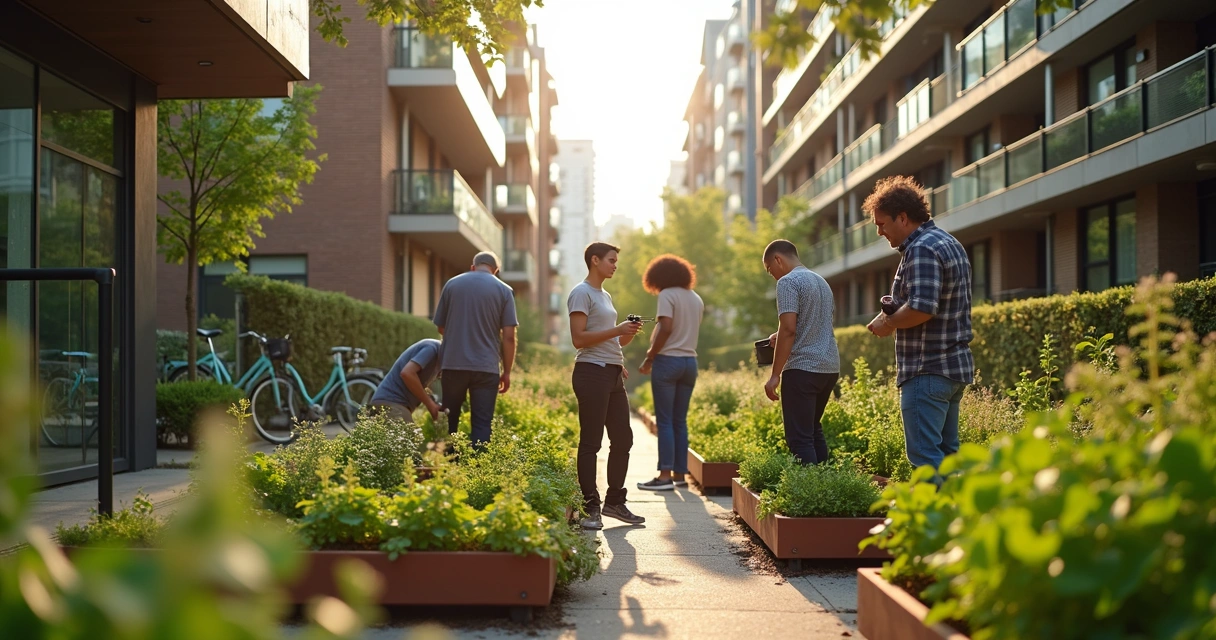
We often treat cities as if they change from the outside in. New plans, new roads, new rules. Yet much of urban life changes from the inside out. Fear hardens public life. Exhaustion empties it. Anger divides it. Shame silences it. Inherited pain complicates it. Dignity repairs it. Hope guides it.
If we ignore emotion, we misunderstand how cities become fragmented or humane.
We think better urban futures depend on reading these hidden drivers with honesty. Not to make city life softer in a superficial way, but to make it more aware, more stable, and more human.
Frequently asked questions
What are emotional drivers in cities?
Emotional drivers in cities are shared feelings that shape public behavior over time. They include fear, anger, shame, exhaustion, hope, and the desire for dignity. These feelings influence trust, participation, conflict, and the way people use public space.
How do emotions affect urban change?
Emotions affect urban change by shaping how people respond to policy, neighbors, and daily life. Fear can increase support for control, anger can deepen division, and hope can support cooperation. Emotional patterns often become social patterns.
Why are these drivers often unnoticed?
These drivers are often unnoticed because they do not always appear in formal reports or public debate. People may show them through withdrawal, tension, silence, or distrust instead of direct words. As a result, emotional causes are often mistaken for purely economic or political ones.
Can emotional drivers improve city life?
Yes. Positive emotional drivers such as trust, dignity, hope, and emotional maturity can improve city life. They support safer interaction, stronger community ties, and better care for shared spaces. Healthy public emotion can strengthen social balance.
How can I identify these drivers?
We can identify these drivers by watching repeated social reactions. Notice where people avoid contact, where public tension rises fast, where shame limits participation, or where hopeful action grows. Small daily patterns often reveal the deeper emotional field of a city.