

Major collective setbacks leave a lasting mark. Whether it is a sports defeat, an election loss, an organizational failure, or a shared tragedy, the waves of disappointment do not stop at individual hearts. They ripple through communities, workplaces, and even entire societies, shaping conversations, trust, and future hopes. We have seen that while personal loss can be managed with time and care, shared disappointment can be more complex because it is both deeply personal and strongly social.
We know that each group finds its own meaning and response patterns after a collective setback. But over years of listening, learning, and seeing these moments up close, we have identified some steps and questions that support groups through hard times. These help transform pain into growth, mistrust into rebuilding, and silence into solidarity.
Understanding collective disappointment
Collective disappointment occurs when a group faces a loss or setback that challenges its shared hopes, identity, or vision. This disappointment goes deeper than what each person might feel alone. Scientific findings, such as those from the Harvard Kennedy School, show that people on the "losing" side of elections experience not just sadness but a unique sense of shared loss, often lasting up to a week or more. By contrast, those on the "winning" side enjoy only a minor lift in happiness.
Events like natural disasters or public tragedies have an even broader effect. Following Hurricane Katrina, data from the National Bureau of Economic Research documented a significant drop in reported happiness near the affected areas, proving that collective disappointment is rarely just personal.
How major setbacks shape communities
Setbacks challenge group identity. They disrupt the stories we tell ourselves—about our team, our nation, our workplace, our values. They often spark difficult questions that linger long after the crisis:
- What do we really stand for?
- Who can we trust now?
- Is it worth hoping again?
Most notably, studies like those in Psychological Science show that collective disappointment is rarely simple. Groups may feel sadness, anger, confusion, and hope—all at once. Recognizing these mixed emotions is the first step to healing.
We don't get to choose the setback, but we can choose the response.
Recognizing emotional dynamics after a setback
After a major disappointment, the emotional climate in a group often shifts, sometimes gradually, sometimes like a sudden cold front. From our observations, these are common collective reactions:
- Sadness – A shared sense of loss, even mourning.
- Anger – Searching for someone to blame, or frustration over events.
- Disconnection – Pulling away from group activities or avoiding discussion.
- Blame and distrust – Internal conflicts can rise as people look for causes of failure.
- Resilience and hope – Some members start looking for positive next steps.
Understanding this emotional mix is necessary for moving forward as a group. We find it helpful if leaders or caring members make space for the full range of responses, instead of pushing for quick fixes or “getting over” disappointment too soon.

Steps for handling collective disappointment
We have gathered and tested different ways to move through these tough moments. Based on experience, research, and observation, here is a sequence that offers support through each stage of collective disappointment:
- Name the setback clearly and honestly
Too often, groups try to move on without naming the loss. It is helpful to acknowledge specifically what the setback is, how it happened, and what it means. Even simple words—"We lost our project," "Our team was defeated," "Our community suffered a blow"—help begin the process of healing.
- Allow space for shared emotions
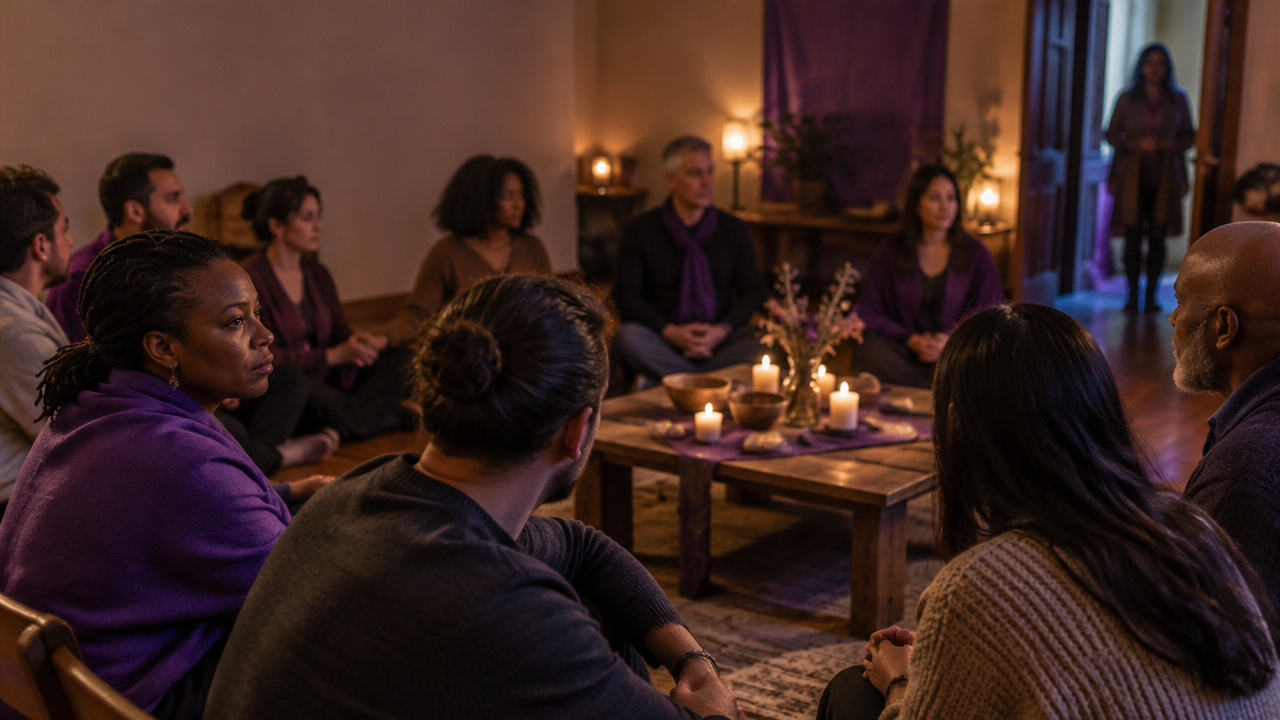
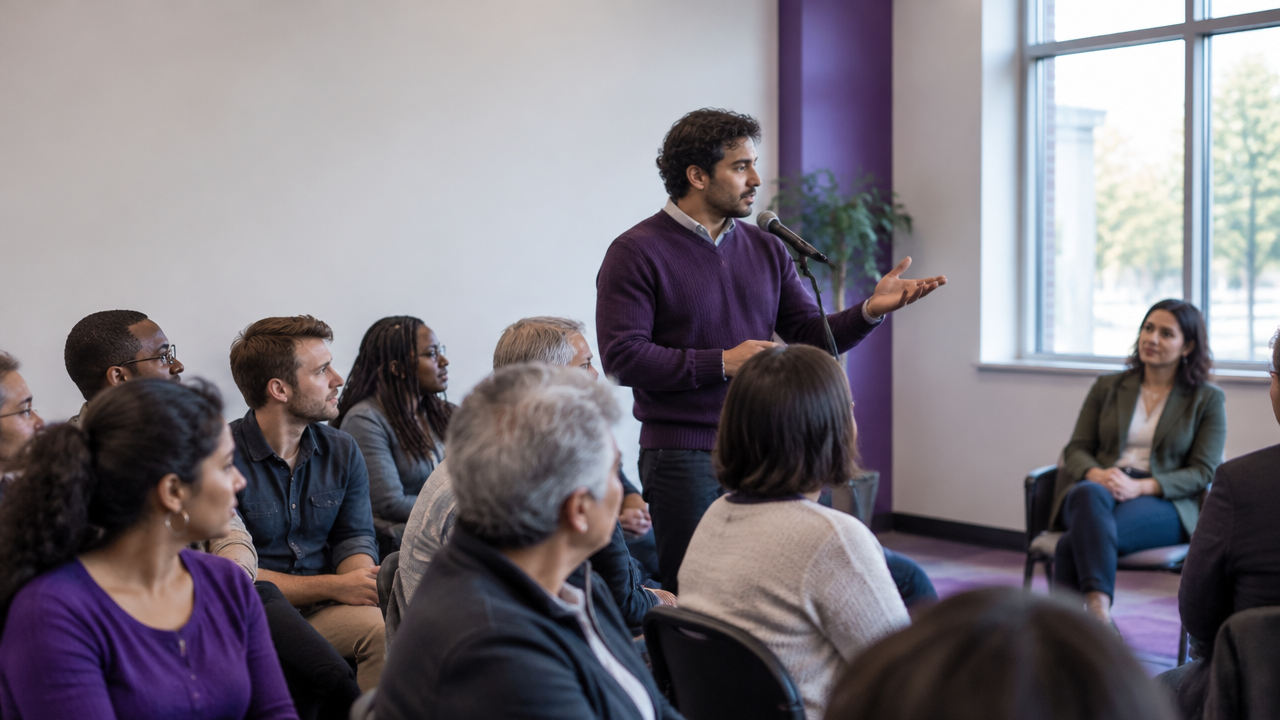
We have seen how public acknowledgment of disappointment provides relief. Group conversations, open forums, or even symbolic acts like lighting a candle or observing a moment of silence can help people express grief, anger, or confusion together.
- Avoid quick blame or forced positivity
It is natural to want explanations or to move on right away, but these reactions risk shortcutting the emotional process. Blame and forced optimism only postpone trust rebuilding and new hope.
- Reflect on lessons together
Once the initial wave has passed, groups benefit from gently asking, “What can we learn?” This is different from blame. It allows for growth, improvement, and even forgiveness.
- Rebuild rituals, routines, and relationships
Groups thrive on rhythm. Restoring (or creating new) meetings, shared meals, volunteer events, or team traditions signals that life continues. Trust and morale rise when people reconnect through action, not just talk.
- Renew shared hopes and goals
As the group finds its footing, it is time to look ahead. What do we want now? How do we grow from loss? New goals help collective energy move forward. Shared purpose is one of the best antidotes to collective disappointment.
Building blocks for emotional recovery
In our view, some concrete practices accelerate recovery and help groups rediscover trust and motivation:
- Active listening sessions: Dedicating time for members to share personal reactions without interruption or judgment increases empathy and trust.
- Public acknowledgment of emotion: Whether through a speech, a note, or a meeting, naming sadness or anger gives permission for others to feel it too.
- Symbolic gestures: Group rituals—such as gathering for a meal, holding a group walk, or displaying shared symbols—promote belonging.
- Restoring gentle structure: Reinstating routines or small projects provides predictability and stability.
- Building new narratives: Sharing stories of overcoming setbacks, from inside or outside the group, plants seeds of hope.
We find it meaningful to draw as well from disciplines like emotional education and self-regulation, which offer skills for understanding and guiding reactions both personally and collectively.
Honest feelings can be the start of honest rebuilding.

Long-term change: How groups grow from disappointment
Over the long run, setbacks can either divide or unite. Groups that push aside disappointment often suffer lingering mistrust, low morale, or disconnection. But those that use a setback as a turning point usually emerge with a stronger sense of collective identity.
In our work, we observe that groups using tools like collective behavior awareness, social ethics, and systemic constellation notice longstanding emotional patterns that shape how setbacks are handled. Sometimes the story is bigger than the event itself.
The hope is not to erase disappointment, but to let it shape a group that is more honest, resilient, and able to trust again.
Disappointment can open the door to change if we choose to walk through it—together.
Conclusion
We have learned that collective disappointment is more than a hard moment—it is a crossroads. With honest acknowledgment, emotional support, and group reflection, setbacks can lead to deeper trust, renewed vision, and lasting growth. Every group writes a new chapter after loss. The question is: Will this be the chapter where we learn, connect, and build a future together?
Frequently asked questions
What is collective disappointment?
Collective disappointment is the shared sense of sadness or frustration a group experiences after a major loss, failure, or setback. This feeling often affects a group’s morale, unity, and trust, and can last longer than individual disappointment because it involves shared hopes and identity.
How to support a group after setbacks?
To support a group after setbacks, we recommend openly acknowledging the loss, creating safe spaces to express emotions, and avoiding blame. Restoring routines, encouraging honest discussion, and building new goals together help groups reconnect and recover.
How can teams rebuild trust together?
Teams rebuild trust by listening deeply to each other, publicly acknowledging pain and effort, and sticking to honest reflection instead of hiding difficulties. Gradually restoring shared activities and creating new successes—even small ones—strengthen bonds and faith in the group moving forward.
What are healthy ways to process loss?
Healthy processing of loss includes talking about feelings, using supportive rituals, practicing patience with yourself and others, and reflecting on lessons learned. Allowing both sadness and hope, without rushing to fix things, supports true healing for groups and individuals alike.
How to keep motivation after failure?
We find that motivation rebounds when groups focus on small, achievable goals, share honest encouragement, and remember past successes. Renewing a sense of purpose and belonging—by involving everyone in future plans—helps energy and optimism return after setback.