
We have all witnessed how social media has become a central part of modern life. These platforms might look like simple tools for sharing, connecting, and learning, but in reality, their influence reaches much deeper than most people realize. Social media now holds the power to shape not just individual emotions, but entire collective moods, beliefs, and reactions in society. Understanding this hidden impact is not just useful—it is now necessary for our well-being and the health of our communities.
The emotional web we share together
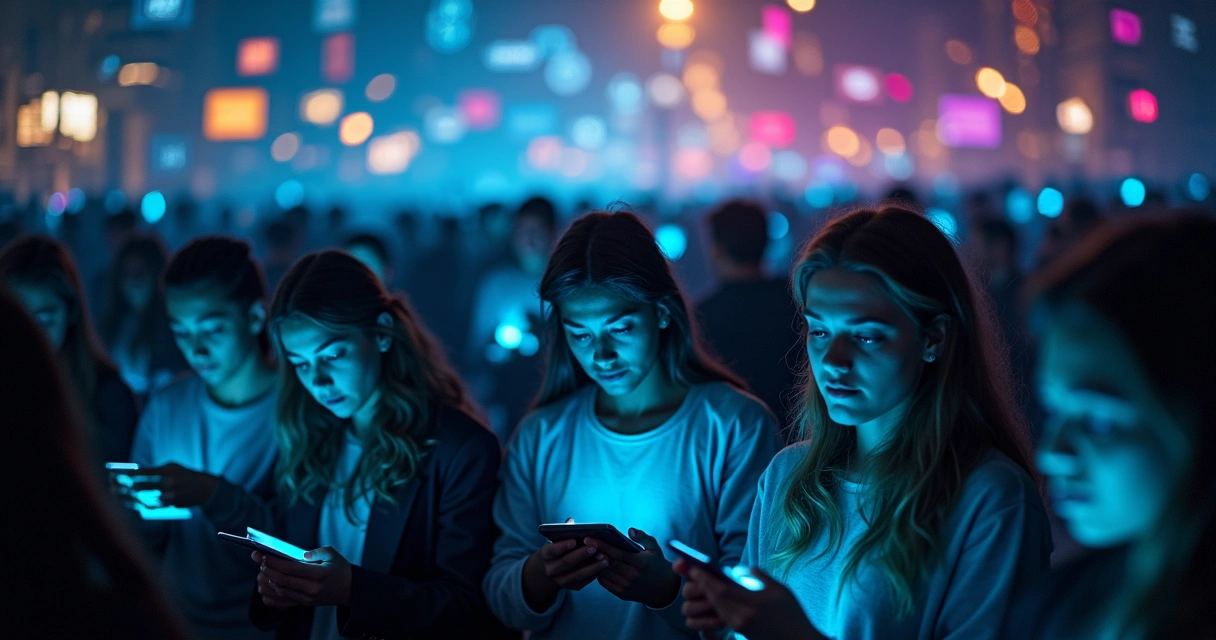
When we wake up and scroll through our feeds, we instantly join a vast network of shared feelings. Every post, comment, video, or meme carries more than just information. It also carries an emotional tone, which can ripple through hundreds, thousands, or even millions of people in moments.
This is much more than the classic idea of peer influence. The web of emotional influence we inhabit is intricate:
- Personal stories of hope or loss sparking waves of empathy
- Viral anger leading to fast-moving outrage campaigns
- Inspirational posts generating quick surges of motivation—sometimes fading just as fast
We do not feel online alone; we feel together.
But this shared field does not act in just one direction, nor does it remain in balance. Each shift in collective emotion on social media subtly pulls on society, nudging opinions, decisions, and even structures offline.
The emotional architecture of social platforms
We have recognized patterns in how social platforms are designed to grab and hold attention. Their core functions—likes, comments, shares, trending topics, and notifications—do more than keep us coming back. They act as amplifiers of emotions, especially strong feelings. Not by accident, but by design.
These platforms are structured in ways that can intensify certain emotions, leading to far-reaching effects. Some of these structural patterns include:
- Trending algorithms: By pushing topics that spike engagement, platforms end up surfacing the most emotionally charged content.
- Echo chambers: When we cluster with like-minded users, collective emotions become reinforced and often more polarized.
- Visual cues and notifications: Bright buttons, red alerts, and animated reactions catch our eye and spike our emotions—even before we process the content.
The result is often a feedback loop where high emotion posts get wider reach, further fueling the collective feeling—be it joy, shock, anger, or anxiety.
From personal feeling to public climate
In our experience, we have watched how private feelings do not stay private for long on social media. A single anxious tweet, for example, can spark thousands of replies, shares, and echoes. Soon, it may feel as if everyone is worried—setting a public emotional weather that shapes the mood of an entire group, city, or even country.
We notice this in many scenarios:
- During crises, fear spreads much faster than facts, making it hard for calm to return.
- After a high-profile incident, anger can flow rapidly, influencing public policy or behavior.
- Hopeful hashtags bring people together, sometimes to support good causes and sometimes just to feel less alone.
What begins as one person’s feeling can, through sharing, repetition, and amplification, turn into a collective state—a mood that colors the decisions of the many.

Emotional contagion and its social consequences
The concept of emotional contagion is not new, but never before has it functioned at such speed and scale. When we see an emotional post, we do not just think about it—we may actually feel it ourselves, picking up the same tone. This has both direct and indirect outcomes.
- Increased polarization: Emotional posts magnify differences, making it harder to understand the other side.
- Heightened anxiety: News of disasters or conflicts can create a wave of worry, even among those not directly affected.
- Widespread empathy: Stories of kindness, resilience, or tragedy can drive donations or supportive action across the world.
Emotional contagion shapes how we view, trust, and support one another.
Beyond individuals, this collective field influences social discussions, public events, business decisions, and government actions. It presents both risk and opportunity.
The silent effects on social fabric
We think the hidden impact of all this is most visible in the slow, silent changes it makes to norms and expectations. Social media can quickly set new standards for what is acceptable, admirable, or shameful. When certain feelings dominate feeds, they can shift the very definition of normal.
For instance:
- Sustained outrage may harden public attitudes and reduce willingness to compromise.
- Repeated exposure to fear can create chronic anxiety, undermining social trust.
- Waves of support and compassion, on the other hand, can create periods of social healing.
These tides flow in both directions, depending on the platforms’ design and what users bring to the table. It is why we take emotional education seriously—for ourselves and communities. Further discussion and resources can be found in our section on emotional education.
Building awareness and self-regulation
Recognizing these subtle emotional influences is the first step to staying more calm and balanced online. We have seen genuine change when people and groups foster better self-regulation. This does not mean shutting off emotion, but learning to notice which feelings belong to us and which are “picked up” from the crowd.
We encourage using a few steps:
- Pause before reacting or sharing.
- Reflect on whether a strong feeling started with your own experience or came to you through a post or trending topic.
- Choose to amplify stories and posts that reflect deeper values and balanced perspectives.
Strong emotional self-regulation boosts both personal well-being and the larger emotional climate. More on this topic is available in our self-regulation resources.
When emotions shape collective behavior
Collective emotional states, generated, intensified, and spread by social media, now play a major part in shaping how groups, organizations, and even societies act. We have observed how emotional waves drive not just online movements, but also influence behavior offline. For more, see our articles on collective behavior.
Whether it is rapid action in response to a crisis or a slow shift in cultural attitudes, the underlying emotional field matters more than ever.

Ethics, trust, and the road ahead
We believe that real progress in society depends on understanding and managing our shared emotional field. Social media will remain a part of life, but it is up to us to decide whether it becomes a channel for anxiety and outrage—or empathy, clarity, and balance.
If you want to read more about the relationship between emotion and community, the social ethics section of our site holds deeper insights. For those wishing to search for specific articles on these topics, our site search provides easy access.
Conclusion
The emotional impact of social media rarely stops at the surface. It shapes the moods, reactions, and even core values of entire groups in ways that are often invisible but very real. As we move forward, our collective well-being depends on growing our awareness and emotional education. By recognizing not just what we share, but how we feel together, we can create a healthier, more balanced digital world.
Frequently Asked Questions
What is collective emotional state?
A collective emotional state is the shared mood or emotional climate that forms when people in a group, community, or society experience similar feelings at the same time. This can happen through direct interaction, shared environments, or collective participation in events like those on social media.
How does social media affect emotions?
Social media affects emotions by quickly spreading content that carries strong emotional signals. Posts with anger, joy, fear, or excitement get shared widely, causing users to absorb and reflect these feelings, sometimes without realizing it. Emotional content travels fast on social media, influencing how people feel both individually and collectively.
Can social media spread negative feelings?
Yes, social media can spread negative feelings such as anxiety, anger, and sadness. Negative content, especially if dramatic or alarming, often goes viral faster than neutral or positive information. This can create cycles where large groups feel the same way—even if the feeling does not match reality.
How to protect myself from emotional contagion?
You can protect yourself by pausing before reacting, noticing your emotional state, and limiting exposure to highly charged content. Practicing self-regulation and choosing who and what you follow can help reduce the impact of collective emotional swings on your personal mood.
Are some platforms worse for emotions?
Some platforms tend to reward and amplify emotional content more than others, but the effect depends on how features like sharing, liking, and trending are structured. Platforms that encourage rapid sharing and show more trending topics often lead to greater swings in collective emotion. However, each person’s experience can differ, so it is wise to be mindful of your own reactions.