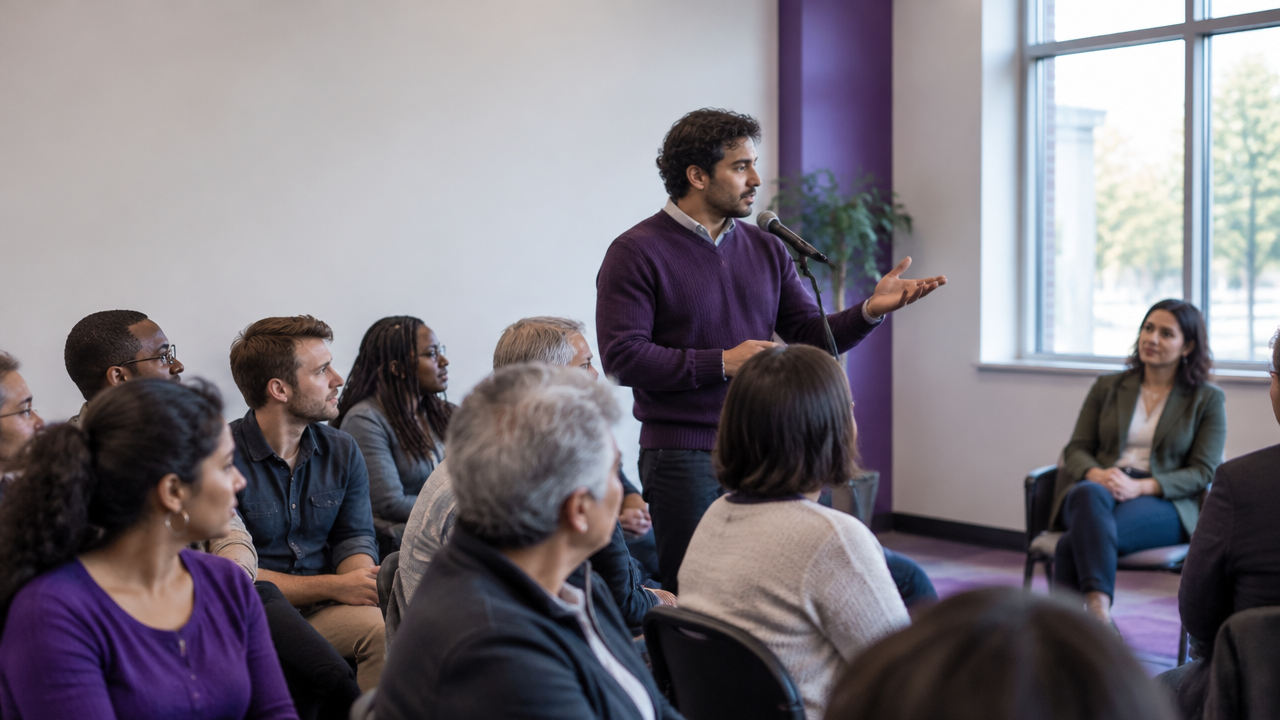


Change within organizations has always been more than just strategy, timelines, or action plans. We have seen countless projects succeed or fail for reasons that cannot be found in project charts. The answer is emotion. Whether we realize it or not, feelings run beneath the surface of every transformation initiative, shaping how we think, act, and collaborate. In our work, we have noticed that when organizations integrate the emotional dimension into the process of change, the outcomes are not only stronger but also more sustainable.
Why emotion matters in organizational change
When organizations change, people often feel uncertain, anxious, or hopeful. Each person brings their own story. There are worries about security, excitement about new possibilities, and sometimes quiet resistance hidden behind polite words.
Change demands more than logic; it asks for emotional honesty.
Ignoring emotion in change management means missing what truly drives behavior. We have found that acknowledging emotional fields paves the way for smoother transitions and strengthens trust. When organizations accept that emotion is not only individual but also deeply social, they can move from unforeseen resistance toward collaborative energy.
Recognizing emotional fields within organizations
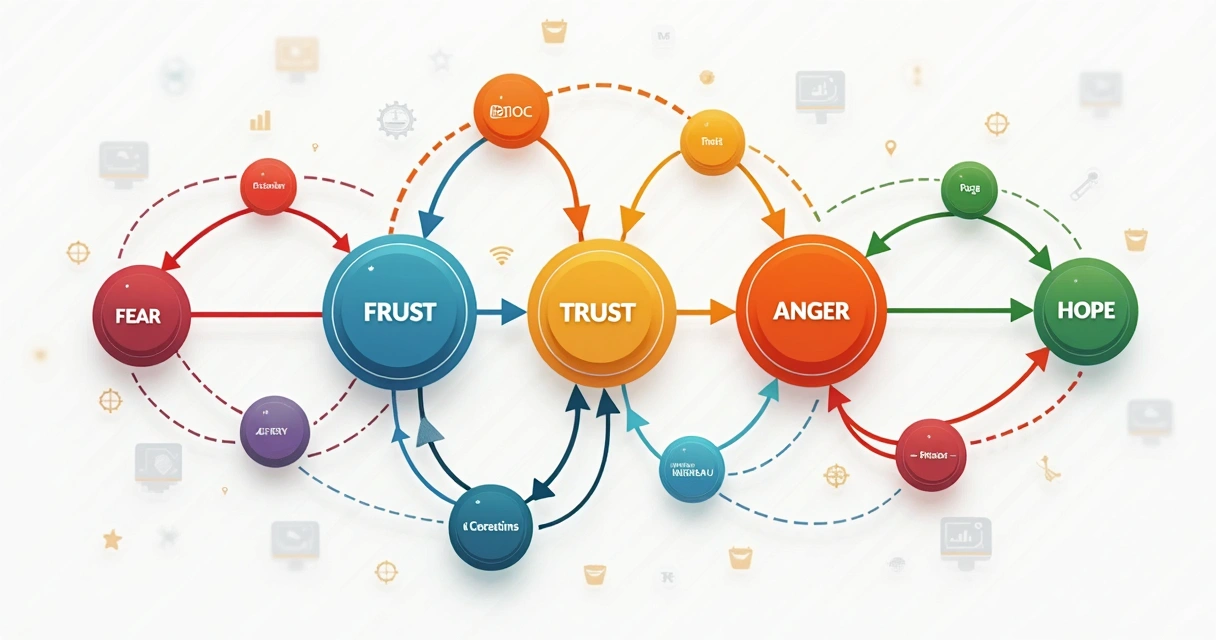
Every organization builds its own emotional field. We see this field formed not just by rules or policies, but through stories, memories, and daily interactions among people.
- Fear can spark a need for control or cautious decision-making.
- Anger may show up as sharp debates or hidden silos.
- Guilt, sometimes collective, can foster hesitation or endless apologies.
- Trust enables openness and sharing, often making feedback genuine.
By mapping these emotional climates, leaders gain useful insight into what will help or hinder progress. We have observed that these fields shift during change: what starts as excitement may become anxiety or even frustration if there is confusion or poor communication.
How to integrate emotion into change processes
We believe it is possible to integrate emotion into organizational change, not by creating more complexity but by inviting honesty and practical action at each step.
1. Assess the emotional landscape
Start by noticing what feelings are present. These may be spoken or unspoken, visible or just beneath the surface.
- Surveys can provide a glimpse, but real listening happens in conversations.
- Regular check-ins allow teams to share what is happening internally, not just externally.
- Observing body language in meetings, shifts in energy, and the tone of informal talk offer tangible clues.
We often advise using dialogue circles or small group discussions, which invite trust and let even quiet voices be heard.
2. Communicate with emotional awareness
During times of change, words carry weight. We have seen that communication rooted in empathy—acknowledging both the hopes and fears of people—prevents much unnecessary pain.
- When we speak with empathy, understanding, and openness, we set a new standard for organizational behavior.
- Leaders who model this style can shift the mood of an entire team.
- Transparency about what is known, what is unknown, and what the organization values creates stability.

3. Educate for emotional maturity
Change initiatives benefit from collective emotional literacy. We have encouraged organizations to offer training on emotional education, where people learn to name, recognize, and channel their own feelings productively.
- Workshops in emotional self-regulation help people manage stress and reactivity.
- Simple mindfulness or breathing exercises, when practiced collectively, can calm nervous systems quickly.
- Story-sharing exercises bridge the gap between personal and collective emotions.
We have experienced that teams with higher emotional maturity move through change with more honesty and less drama.
4. Involve everyone in collective sense-making
Individuals may feel alone, but organizational change is never a solo act. We prioritize inclusive practices that bring different voices into strategic conversations.
- Open forums invite dialogue around the “why” of change, not just the “what” or “how.”
- Collective sense-making creates shared understanding and a sense of belonging in the process.
- Feedback loops—where employees see that their feelings and insights influence the path forward—reinforce connection.
5. Address emotional patterns and collective history
Organizations sometimes carry deep-rooted emotional memories. Repeated stories of mistrust, past failures, or exclusion can silently affect today’s decisions. We have used tools inspired by systemic constellation practices, which make it possible to acknowledge this heritage, so people can honor it and move forward.
6. Encourage emotional self-regulation within teams
Self-regulation is an individual skill, but its effect is collective. By equipping employees with practical tools—through initiatives inspired by self-regulation resources—they are able to pause before reacting, manage tension, and stay grounded in uncertainty.
Leaders who support this practice create a safer, more creative space for everyone.
The role of leadership: More than managing, it’s guiding
We have noticed that during transitions, all eyes turn to leaders, not just for answers, but to see how they navigate their own emotions. Leadership is not a shield against emotion but a light that can make it safe for others to feel, adapt, and participate.
- Leaders who express personal vulnerability send a message that emotion is not weakness but reality.
- By holding space for candid conversation, leaders build a foundation of trust and honesty.
- Creating rituals—such as starting team meetings with a short check-in—normalizes openness and care for the human side of change.
When leaders encourage new habits of attention and connection, they help teams align not just in strategy, but in spirit.
Building a culture of lasting emotional integration
Sustained change depends on embedding emotional awareness into the culture, not just practicing it once or twice when things feel tough.
- Recognize and reward not only technical achievement but emotional intelligence and collaborative resilience.
- Maintain regular opportunities to reflect on the emotional climate, both in groups and one-on-one.
- Invite ongoing learning through peer mentoring, book clubs, or cross-departmental learning habitats.
Linking these practices to shared values, as we often see in organizations focused on social ethics, ensures they become daily habits rather than special interventions.
Organizations that nurture emotional fluency build resilience, creativity, and trust. Over time, they respond to problems and opportunities not from old patterns but new wisdom, benefitting everyone.
Conclusion
Integrating emotion is not a soft extra. We have learned that it is the ground from which genuine, stable, and creative change grows.
When organizations recognize and work with the emotional field, they bring forward the full intelligence of their people. The hidden resistance fades; trust and openness take root. Leaders and teams who commit to these practices—beginning with assessment, moving through education and dialogue, and ending with deep-rooted culture—discover that change is not something to survive, but something that shapes a better organization for all.
If you are interested in how group emotions ripple into large-scale outcomes, we invite you to explore more stories and practical guidance in our collection dedicated to collective behavior.
Frequently asked questions
What is emotional integration in change?
Emotional integration in organizational change means intentionally acknowledging and working with the feelings and emotional patterns present among people during transitions. Rather than viewing emotion as unrelated, we see it as a source of information and energy that can guide, support, or challenge change. Integrating emotion involves assessment, open communication, and building collective skills in emotional self-awareness and resilience.
How to address employee emotions?
We address employee emotions by first listening without judgment, creating open spaces for dialogue, and then responding with empathy and transparency. Checking in regularly, offering training in emotional literacy or regulation, and ensuring people feel seen all help. Leaders should take an active part by modeling healthy emotional expression themselves and keeping communication two-way.
Why are emotions important in change?
Emotions shape how people think, act, and connect during change. They influence motivation, decision-making, and trust. When ignored, emotions can lead to resistance, miscommunication, and missed opportunities. When welcomed, they become a guide for adapting, building trust, and achieving stronger results.
What are common emotional barriers?
Common emotional barriers include fear of the unknown, anxiety about losing status or connection, anger over previous experiences, or a lack of trust that change will benefit everyone. Some individuals may feel exhausted or disengaged if previous initiatives failed. Collective emotions such as mistrust or cynicism in the culture can quietly slow or block change until addressed.
How can leaders support emotional needs?
We believe leaders can support emotional needs by sharing their own experiences honestly, listening with respect, and making space for conversations beyond just tasks. They should foster an environment where emotions are openly discussed and considered in decisions. Providing resources like emotional education and self-regulation training creates ongoing support. By showing constant care, leaders build trust, safety, and engagement throughout the change process.