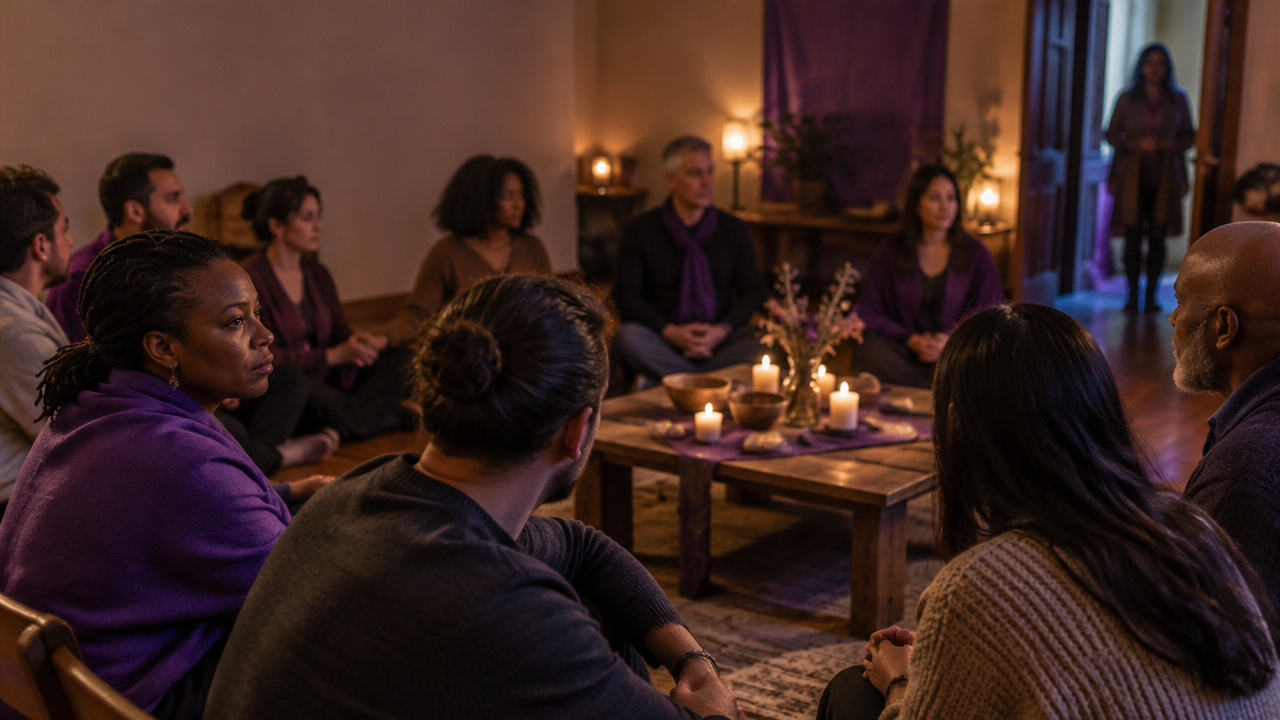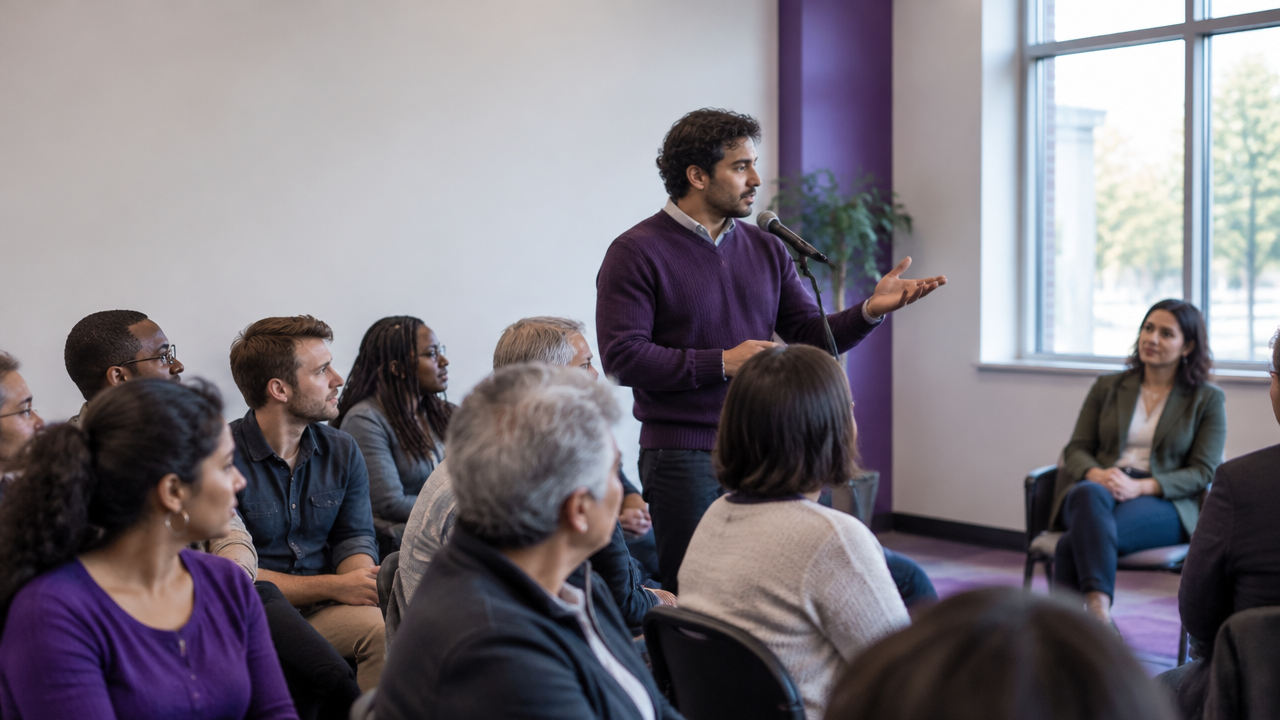


The world is noisy, fast, and connected in ways that move far beyond individual screens. We often feel that our private reactions and small habits affect only our own lives. But when we add them up—tens of millions of times each day—they become invisible currents, strong enough to shape entire societies.
We have noticed that certain daily patterns are not just personal. They become social. Left unchallenged, they feed the very crises we see in the news, in our relationships, and within ourselves. Let’s map out these habits that contribute to collective emotional crises, understand why they’re so sticky, and consider other ways forward.
Emotional avoidance: pretending not to feel
Sometimes the easiest thing to do is nothing at all. Faced with strong emotions—fear, anger, sadness—we might scroll through our phones, binge-watch, or simply keep busy. But when we avoid feeling, we don’t make our emotions disappear.
Emotions buried alive never die.
Unfelt and unaddressed emotions do not remain still or safe; they spill out in unexpected, often damaging, ways. At the group level, this results in communities that seem numb at first, then suddenly hostile or chaotic. We have seen how nations can ignore the simmering hurt or anxiety in their people, only to watch it explode later. This avoidance leads to public distrust, sudden protests, or harsh backlash.
On our page on emotional education, we share insights about how facing, naming, and understanding our emotions can prevent these larger breakdowns.
The blame reflex: pointing fingers instead of asking why
When facing stress, uncertainty, or loss, the old habit is to blame. Blame the government. Blame a group. Blame the neighbor. This reaction feels quick and gives us a hit of certainty. But it doesn’t solve much.
Blame traps us in a cycle: anger and accusation feed off each other, growing stronger with every retelling. Across groups, this creates polarization. Walls go up. Dialogue breaks down. What could be an opportunity for growth or repair becomes a battle for who is “right.” We all lose out on real solutions.
If we shift our focus from “Who is at fault?” to “What does this feeling point to?” we create space for real understanding and action. On our page about social ethics, we discuss why responsibility is very different from blame, and how this difference changes entire cultures.
Suppressing anger: bottling up, lashing out
It may sound polite to “keep it together,” but when anger is swallowed again and again, it eventually returns stronger. We have seen in organizations, families, and even nations that unexpressed anger often bursts out unexpectedly, sometimes in ways that can damage trust or safety. This collective habit drives cycles of retaliation and deepens divides.

In our experience, channeling anger into open dialogue, rather than suppression or attack, can shift groups from conflict toward cooperation. We all benefit when honest conversations about frustration become possible.
Misinformation and emotional contagion
We witness every day how fast rumors, half-truths, or emotional headlines can spread. Misinformation multiplies not only facts but also feelings—fear, outrage, shame. It moves like a wave, picking up power with every share.
Social emotions are just as contagious as thoughts or memes. A single rumor or misleading story can drive decisions, panic, and division across thousands or millions. When people feel their emotions are being manipulated, trust disappears—sometimes overnight.
Clear, honest dialogue—supported by emotional self-regulation—builds stable and safe communities. We share strategies for this kind of self-regulation on our resource about self-regulation.
Collective denial: refusing to witness what hurts
No one likes discomfort. Collectively, many groups prefer to look away from signs of social pain: bullying, exclusion, injustice, or sudden outbursts of violence and despair. Yet every time we refuse to face collective wounds, those wounds fester.
What we deny does not disappear; it returns, disguised and stronger.
Denying shared pain often leads to repetition. The issues that go unspoken become patterns, written into systems, rules, laws, and behaviors. This is how personal habits become lasting social problems. We have noticed that honest acknowledgment, even when it feels uncomfortable, is the first step to healing old collective scars.
Values disconnection: acting without empathy or awareness
When people feel pushed by pressure, unseen by leaders, or distant from neighbors, it’s easy for daily choices to lose their human context. We see this in small, everyday ways: ignoring a colleague’s distress, dismissing the hurt of a neighbor, or defending “it’s not my problem” when harm is done.

In our view, this drift from values does not happen in a vacuum. It is shaped by the emotional climate of a group. Patterns of numbness give rise to indifference and even cruelty. Healing, on the other hand, happens when emotions and values are invited back into everyday life and decisions. This page on collective behaviors presents real examples of how groups move from disconnection toward trust.
Repeating trauma: carrying inherited pain
Some collective crises don’t begin today. We inherit emotional patterns and unspoken stories from the communities, families, or nations where we grow up. These collective heritages of fear, shame, or mistrust form fields that affect current behavior—often invisibly.
Collective emotional crises often have long histories beneath the surface. Without recognizing these patterns, we risk repeating the mistakes of the past. We share on our page on systemic constellation how uncovering and integrating inherited emotional stories can free us to move forward together.
Conclusion: Change begins with new habits
All of us are both individuals and participants in something larger—families, workplaces, societies. When we act with awareness and courage, the emotional field shifts. By releasing the old habits that fuel hurt, blame, and denial, we make room for new habits: honesty, empathy, responsibility, and trust.
It’s not about heroic leaps. It’s about consistent, small choices made every day. Each time we choose to listen, to express honestly, or to question what we really feel (and why), we step out of the cycles that fuel emotional crises. We contribute to something better than crisis—we build a field where collective healing and balance can take root.
Frequently asked questions
What are collective emotional crises?
Collective emotional crises are large-scale disruptions in groups or societies caused by shared, untreated emotions like fear, anger, or shame. These crises often show up as political turmoil, social conflict, or sudden changes in community behavior. They occur when individual emotions go unrecognized and then multiply, creating waves that influence many lives at once.
What habits make emotional crises worse?
Several habits fuel these crises, including emotional avoidance, blaming others, suppressing anger, spreading misinformation, denying group problems, disconnecting from shared values, and repeating inherited patterns of pain. Each of these habits allows personal emotions to snowball into larger social issues.
How can I stop harmful habits?
We suggest starting with small changes: become more aware of your emotions, talk about them openly, look for patterns of blame or avoidance, and practice empathy with those around you. Replacing old habits with honest conversation, responsibility, and self-reflection helps shift both personal and group emotional fields.
Why do these habits spread easily?
These habits feel safe or familiar, especially during stress or uncertainty. Also, emotions are contagious; when others avoid, blame, or deny, it can feel easier to do the same. Technology and rapid communication make the spread of these habits even faster. It often takes intention and practice to change these patterns, especially in groups.
What are healthy alternatives to these habits?
Healthy alternatives include emotional awareness, open and respectful communication, clear responsibility (without blame), sharing accurate information, acknowledging group difficulties, tuning in to shared values, and recognizing inherited emotional stories. These habits support safer, more connected, and balanced communities.