
Global conflict often appears to be a result of politics, history, economy, or ideologies. Yet, when we peel back these layers, we notice that collective emotions play a central part. In our experience, the emotional dynamics running under the surface—fear, distrust, anger, grief—are powerful drivers that can either fuel or soothe conflict. Emotional literacy is the skill that allows us to see and work with these emotions, both within ourselves and in others. We believe that when it comes to the resolution of global conflict, this skill is not just helpful—it is transformative.
The invisible force behind global conflict
Conflicts between nations, groups, and communities rarely erupt out of thin air. They accumulate over time from a web of perceived injustices, misunderstandings, wounds carried through generations, and unprocessed feelings. Trust is lost. Empathy fades. The emotional history of a society can shape, and often warp, its response to global challenges.
When leaders, negotiators, or even regular citizens lack emotional awareness, they are often swept along by collective emotional waves—sometimes without realizing it. These waves show up in:
- Moments of mass fear that demand walls, armies, or separation
- Crises of anger that explode into violence
- Unspoken grief that festers as resentment
- Deep-seated shame that leads to withdrawal or blame
We have seen how these emotions amplify polarization and stall genuine dialogue. That is why developing emotional literacy—our ability to recognize, understand, label, and manage feelings in ourselves and others—is so central in reshaping how conflicts unfold.
Emotions shape the future by guiding our collective choices today.
What is emotional literacy, and why does it matter?
Emotional literacy is the skill of identifying, expressing, and managing emotions in a healthy and effective way. This includes noticing our own inner feelings, understanding their roots, articulating them calmly, and recognizing how they spread into the wider group or society.
When people lack this literacy, misunderstandings grow. Assumptions cloud judgment. Stereotypes harden. But when emotional literacy is present, even the most bitter of rivals can discover a shared language beneath the noise—a language of empathy and vulnerability.
In conflicts, emotional literacy translates to:
- Increased capacity for dialogue, even when disagreements remain unsolved
- Greater resilience in the face of setbacks or provocations
- De-escalation of dangerous situations through empathy and calm
- Space for mourning, acceptance, and eventual reconciliation
We have seen how, in global negotiations or on the street, emotional communication has the power to change outcomes, sometimes in a way that no external mediator could achieve.
How does emotional illiteracy perpetuate conflict?
A striking thing happens when people are unable to recognize or express what they truly feel: their emotions find another way out. Anger turns into blame or aggression. Fear masks itself as cruelty or suspicion. Collective insecurity sparks destructive competition.
When emotions are ignored, they do not disappear—they reshape society in hidden ways.
This process creates fertile ground for enduring conflicts, because:
- Unacknowledged pain turns into generational mistrust
- Unexpressed needs fuel hostile narratives
- Manipulation of group emotions becomes a tool for power
- Social systems mirror and reinforce unresolved emotions
Without learning the skill to process emotions, whole societies can get trapped in cycles of violence or withdrawal. This is why we see emotional education as a foundation for social transformation, a theme deeply covered in our section on emotional education.
What does emotional literacy look like in real-world conflict resolution?
Imagine two countries in dispute over resources. Each side firmly believes in its own narrative. Tensions escalate. Suddenly, negotiators pause to listen—not to each other's demands, but to each other's story of loss, fear, and hope. Slowly, suspicion gives way to understanding.
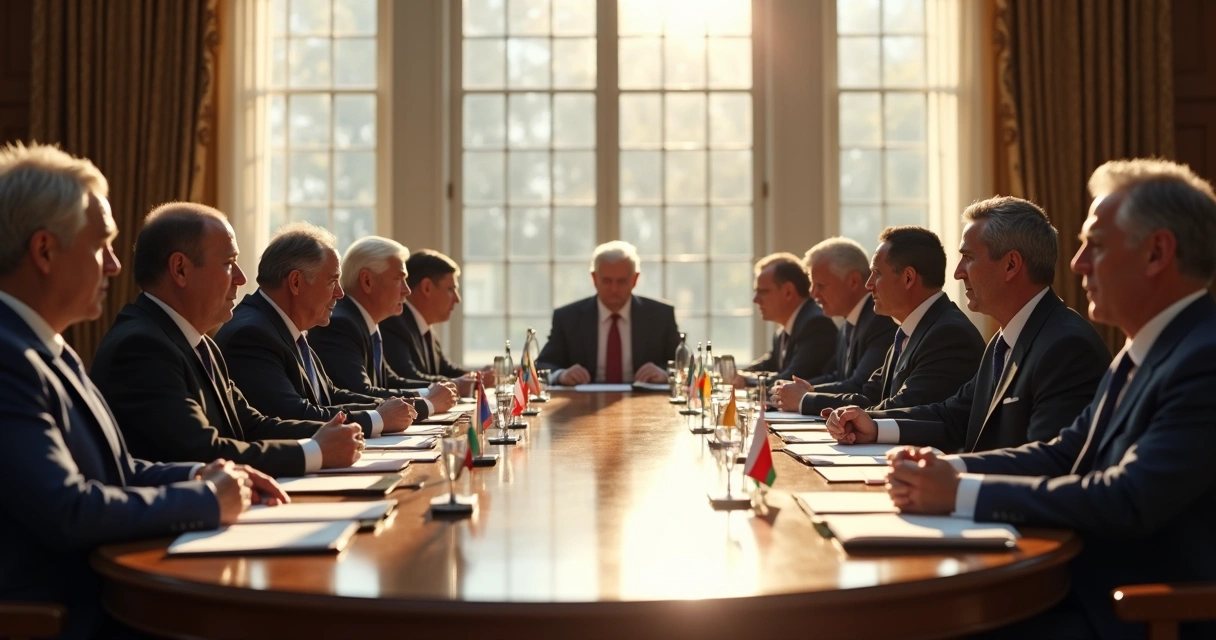
This kind of shift does not happen by accident. It grows from emotional skills nurtured over time:
- Self-awareness: noticing one's own triggers and emotions in the room
- Listening for feelings beneath words
- Putting language to collective pain
- Finding courage to hear and speak hard truths, not just political slogans
Emotional awareness does not guarantee a solution on its own, but it forges a space where creative solutions become possible. We have witnessed situations where, even if compromise is not immediate, the temperature of the room lowers. Voices soften. New bridges appear.
This process is supported by the cultivation of social ethics, which sets the groundwork for respectful interaction. To read more deeply about this, visit our resource on social ethics.
The emotional heritage of groups and nations
Every society carries its own emotional inheritance—unconscious fears, traumas, or unresolved hopes from generations past. These hidden emotional stories influence how groups interpret each other’s actions, even if the current generation is not fully aware of them.
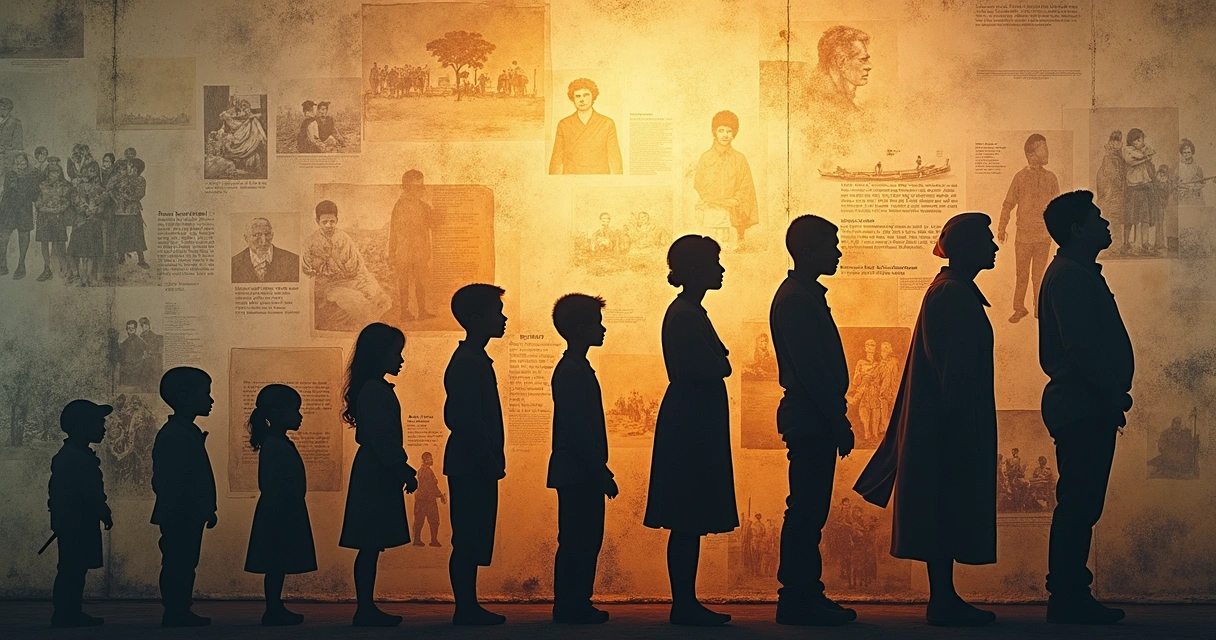
Understanding these collective emotional heritages is a step towards breaking patterns of repeating conflict. We use tools and knowledge from systemic constellation work to make these invisible dynamics visible for groups and societies, which you can learn more about in our section on systemic constellation.
Growing emotional literacy for a better future
Change begins with individuals, but it grows as movements, organizations, and entire nations commit to learning together. Through emotional self-regulation and reflection, we gain the power to not just react but to shape outcomes. Self-regulation is especially valuable in tense moments, as described in our dedicated writings about self-regulation.
We believe emotional literacy benefits global conflict resolution in several ways:
- Encouraging curiosity over judgment
- Reducing knee-jerk reactions
- Empowering leaders to guide rather than control
- Building cultures of trust, rather than suspicion
- Offering room for collective healing and new agreements
This is why we see the study of collective behavior and group patterns as essential reading for those interested in long-term peace. Our section on collective behavior examines these dynamics more deeply.
Conclusion
To us, global conflict resolution without emotional literacy is like trying to read a story in a language one cannot understand. Political and technical solutions may offer structure, but the energy and direction come from understanding shared human emotions.
By nurturing emotional literacy—individually and collectively—we give ourselves the chance to prevent, soften, and ultimately resolve the conflicts that threaten our shared future. Through education, practice, and reflection, we can transform the emotional foundations of our communities and our world.
Frequently asked questions
What is emotional literacy in conflict resolution?
Emotional literacy in conflict resolution means the ability to understand, name, and manage emotions in oneself and others during a conflict. It helps people express their feelings clearly, listen openly, and respond with empathy instead of reactivity. This makes finding solutions and building trust possible even in difficult global or group disputes.
Why does emotional literacy matter globally?
Emotional literacy matters globally because it helps us face big challenges—such as war, injustice, or international tension—by promoting understanding and cooperation rather than division. It supports dialogue, reduces fear and anger, and enables creative thinking between different cultures or nations.
How can I improve emotional literacy skills?
To improve emotional literacy skills, we suggest paying attention to your own feelings, practicing expressing emotions honestly but kindly, listening for the emotions behind other people’s words, and learning strategies for self-calming, such as breathing or reflection. Learning from experiences and engaging with emotional education resources also strengthens these skills.
What are the benefits of emotional literacy?
The benefits of emotional literacy include better communication, less misunderstanding, increased trust, and more constructive problem-solving. It helps groups recover from conflict, makes leaders more effective, and supports the well-being of everyone involved by making interactions less driven by automatic reactions.
Can emotional literacy reduce international conflicts?
Yes, emotional literacy can reduce international conflicts by changing how individuals and groups relate to each other. When leaders, negotiators, and citizens develop emotional awareness and empathy, they open the possibility for dialogue, compromise, and peaceful solutions that might not have emerged otherwise.