
In 2026, we see community projects not only as practical efforts but also as collective spaces where shared emotions shape every step. The ability to recognize, understand, and integrate these emotions—what we call emotional literacy—has become a foundation for trust, cooperation, and innovative solutions. Here, we share how we approach building emotionally literate projects that serve both individual wellbeing and the wider community field.
Why emotional literacy matters for community building
Every community brings together people with different backgrounds, histories, and emotional experiences. When these are ignored, misunderstandings and conflicts can shape the project’s direction. We have seen how a lack of emotional education can stall even the most promising ideas. On the other hand, emotionally aware projects create spaces where people feel seen, valued, and capable of contributing to something bigger.
Communities thrive when emotions are welcomed, not suppressed.
Emotional literacy allows us to transform fear into trust and anger into constructive action. It creates an environment where difficult issues can be addressed without spiraling into division or blame. This is not only a matter of individual wellbeing—it shapes collective decisions, group culture, and social impact at every level.
We have noticed that groups with emotional literacy navigate stress better, recover quickly from setbacks, and innovate with more courage. They also model healthy conflict, mutual support, and shared leadership.
Principles for creating emotionally literate projects
Designing a project with emotional literacy in mind calls for a few key principles. Through years of collective practice, we rely on these to keep projects on track:
- Transparency in communication: Share feelings and thoughts openly, not just facts or data. This encourages honesty and helps prevent unresolved tensions.
- Empathy and active listening: Listen with the intent to understand, not only to respond. This creates safety and enables learning from each other’s views.
- Space for conflict: Accept that disagreements will arise. Instead of avoiding them, use these moments to strengthen relationships and clarify shared purpose.
- Shared decision-making: Everyone’s voice matters. Emotional literacy grows when people have genuine influence over outcomes.
- Continual reflection: Make space for regular group check-ins to process feelings, feedback, and progress. Adapt as needed, without fear of admitting mistakes.
Emotionally literate community projects don't happen by accident; they are shaped by ongoing intention and daily practice.
Steps to build an emotionally literate community project
From our experience, building emotionally literate projects is a process that unfolds over time. The steps below help guide us in turning intention into reality.
1. Start with self-awareness
Every emotionally healthy community begins within each member. As organizers, we invest time in personal reflection and emotional self-regulation. This involves noticing our own triggers and patterns, and practicing techniques that support calm and presence. We discuss methods and strategies on our self-regulation resources section for those interested in deepening this skill.
2. Create shared agreements
Before diving into tasks, we co-create agreements about communication, decision making, and conflict handling. These are not rigid rules. They are living guidelines that reflect the group’s real values and make space for adaptation as the project grows. Most problems we have encountered could be traced back to unclear or unspoken expectations.
3. Train for listening and empathy
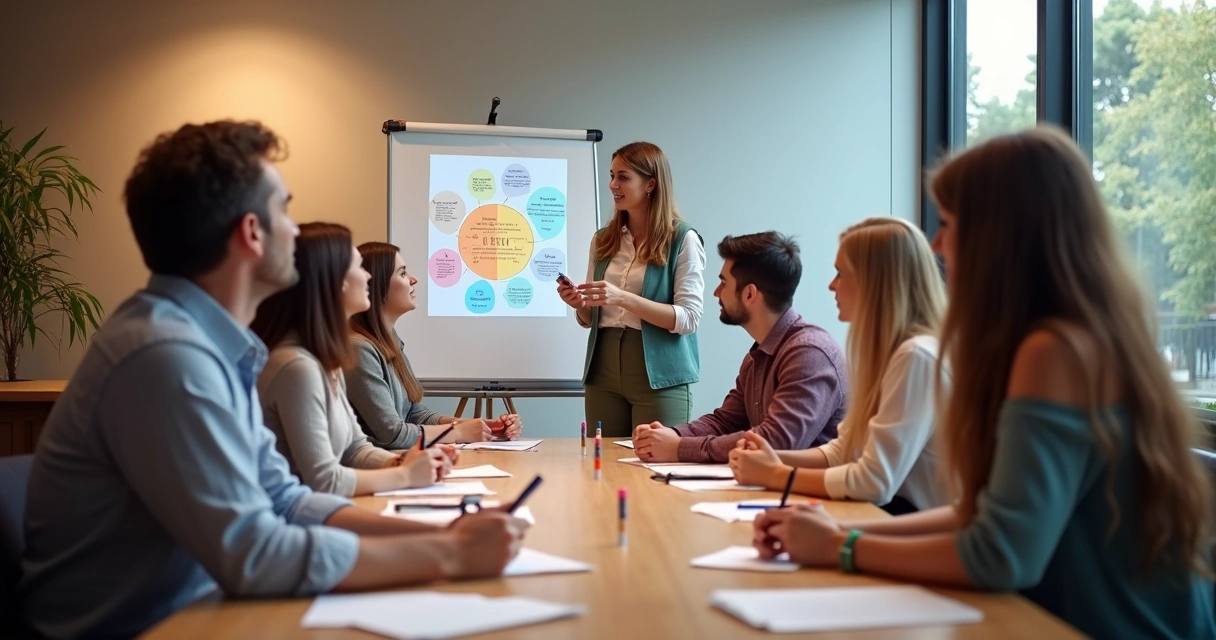
Listening with empathy is a core skill in emotionally literate groups. We regularly offer workshops that focus on deep listening, nonviolent feedback, and recognizing diverse emotional perspectives. These sessions often lead to unexpected moments of understanding.
4. Address conflict constructively
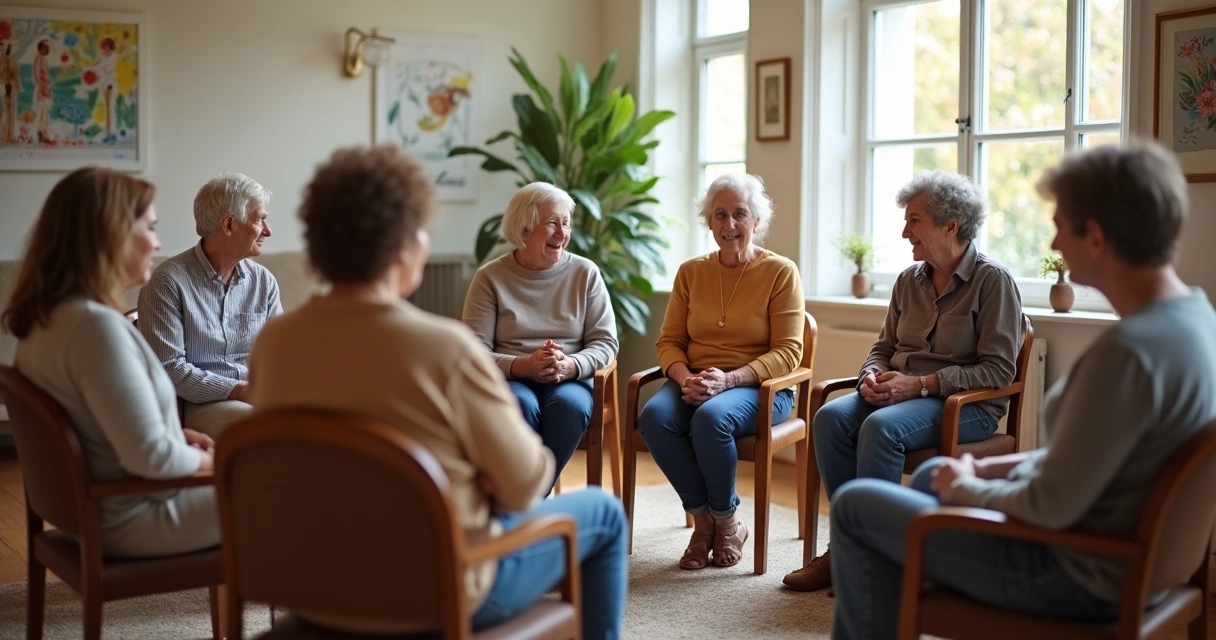
We do not shy away from conflict. Instead, we treat it as a sign that something matters deeply. Our approach includes pausing to name emotions, clarifying points of confusion, and seeking solutions together. If emotions rise, we use breaks for grounding and regulate group energy before continuing.
Conflict can lead to stronger, more resilient relationships if handled with care and skills.
5. Make space for collective reflection
At regular intervals, we hold check-ins where everyone can share feelings and insights about the project. These are not just opportunities to celebrate progress—they are vital for surfacing hidden tensions or new possibilities. We value honesty over perfection, and find that openly processing group emotions builds a unique sense of trust.
6. Integrate systemic awareness
Communities do not exist in a vacuum. Every group carries emotional patterns from families, history, and society itself. Bringing in tools like systemic constellation work helps reveal and free these patterns. For those interested in this approach, we have resources in our systemic constellation section.
Emotional education in action
One of the most powerful things we have learned is the difference consistent emotional education makes. By dedicating time to this work, we prepare our groups for long-term sustainability. Whether we do this through formal workshops, peer-sharing, or guided sessions, we invite everyone to take part in growing the shared language of feelings, needs, and values.
For deeper study, our emotional education guides offer practical exercises and frameworks to build on.
Ethics, collective behavior, and social impact
When we put emotional literacy at the center, the project is no longer just about “doing good” but about doing so with awareness and dignity. Ethics in community work goes beyond compliance; it is lived in every interaction. As communities gain emotional skills, they shape collective behavior, making it easier to collaborate, support each other, and solve real world problems. For readers who wish to engage further with these themes, our sections on social ethics and collective behavior provide thoughtful perspectives.
Emotionally mature communities create balance, stability, and hope.
We believe emotional literacy will define the success of community projects far beyond 2026. Now is the time to invest in these skills, for the sake of healthier, more connected, and resilient groups.
Conclusion
Building emotionally literate community projects in 2026 is not simply adding another training or tool. It is a shift toward understanding that people, their emotions, and histories matter deeply. When we lead with this awareness, our projects carry the seeds of real transformation, not only for the group but for society as a whole. Emotional literacy is how we make the invisible, visible—and turn shared intention into true cooperation.
Frequently asked questions
What is emotional literacy in communities?
Emotional literacy in communities is the shared ability to recognize, understand, and work with emotions in group settings. This includes expressing feelings clearly, listening with empathy, and cooperating through conflict. When groups develop emotional literacy, they create trust, resilience, and creative solutions together.
How to start an emotionally literate project?
We recommend beginning with group discussions about the importance of emotions, forming shared agreements, and developing personal awareness practices. Training for listening skills, building space for reflection, and being open about challenges help set the foundation for emotional literacy in any project.
Why is emotional literacy important?
Emotional literacy is key because it helps prevent misunderstandings, supports healthy conflict resolution, and builds trust. These skills allow groups to respond with flexibility and creativity, making it easier to solve problems and reach shared goals.
How can I train my team?
We often use regular workshops, peer listening sessions, and exercises that build self-awareness and empathy. Training can involve practical role-playing, open dialogue, and even formal frameworks for nonviolent communication. Encouraging ongoing learning and honest feedback is also essential.
Where to find resources for 2026 projects?
There are many practical materials available on emotional education, group dynamics, social ethics, and systemic approaches. We encourage seeking out resources that combine practical exercises with theory, including guides, articles, and case studies tailored for evolving community projects.