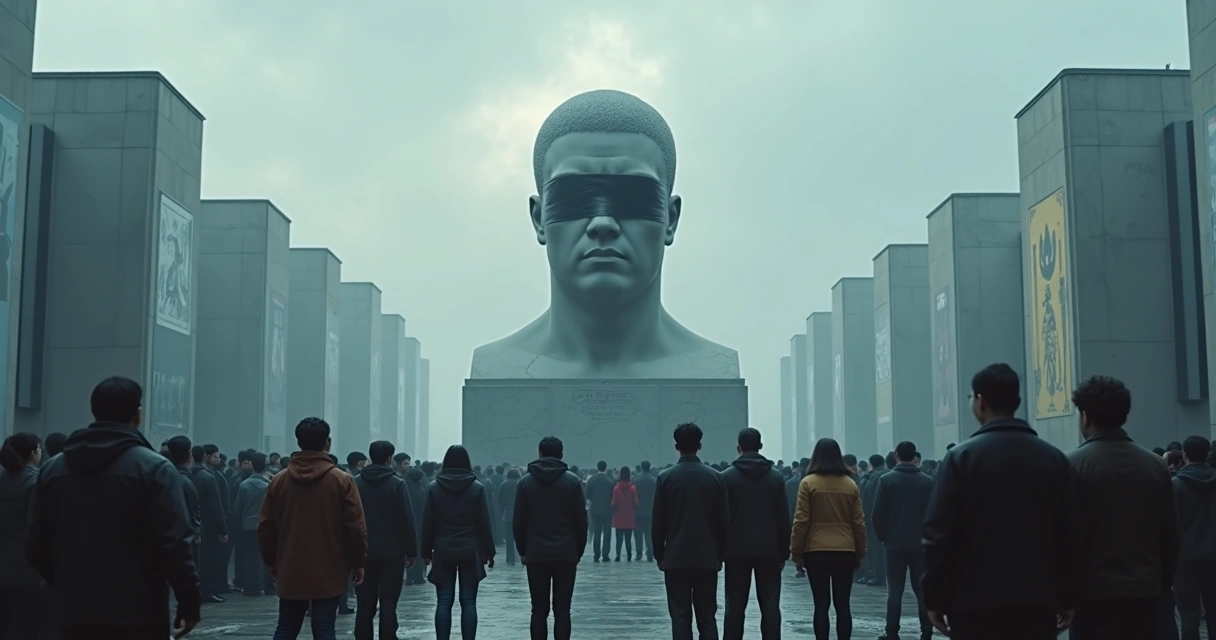
We live in an era when social tension is visible everywhere. Political divisions, distrust of institutions, and waves of restrictive policies appear in the headlines. But beneath these visible struggles lies a less talked-about force: emotional denial is a hidden driver that can reshape entire societies.
How emotional denial begins in individuals
Most of us have learned, at some point, to hide what we feel. Some families teach children not to cry. Schools reward students for suppressing frustration and anger for the “sake of order”. Even workplaces often reward composure over emotional honesty. Over time, the habit of emotional denial grows.
When we look closer, emotional denial is not just a personal coping strategy. It is a learned behavior, woven into our relationships, workplaces, and cultures. We push aside fear, sadness, anger, or shame, trying not to appear “weak” or “unstable”. But these pushed-down emotions do not disappear. They gather below the surface, shaping our beliefs and actions in ways we might not even notice.
What happens when denial spreads through a society?
Imagine a community where most people have unspoken fears, unresolved anger, or hidden grief. Outwardly, people may seem calm or even indifferent. But under stress, these unprocessed emotions leak into speech, voting, and relationships. The emotions become collective.
Societies shaped by widespread emotional denial often develop certain characteristics:
- Heightened fear of difference
- Low tolerance for open conflict or disagreement
- Appeal for “order” at any cost
- Romanticizing the past as a safer, better time
- Quick blame of outsiders or minorities for social ills
These cultural patterns prepare fertile ground for a certain kind of leadership—a style that promises safety and clarity by controlling uncertainty and strong emotion.
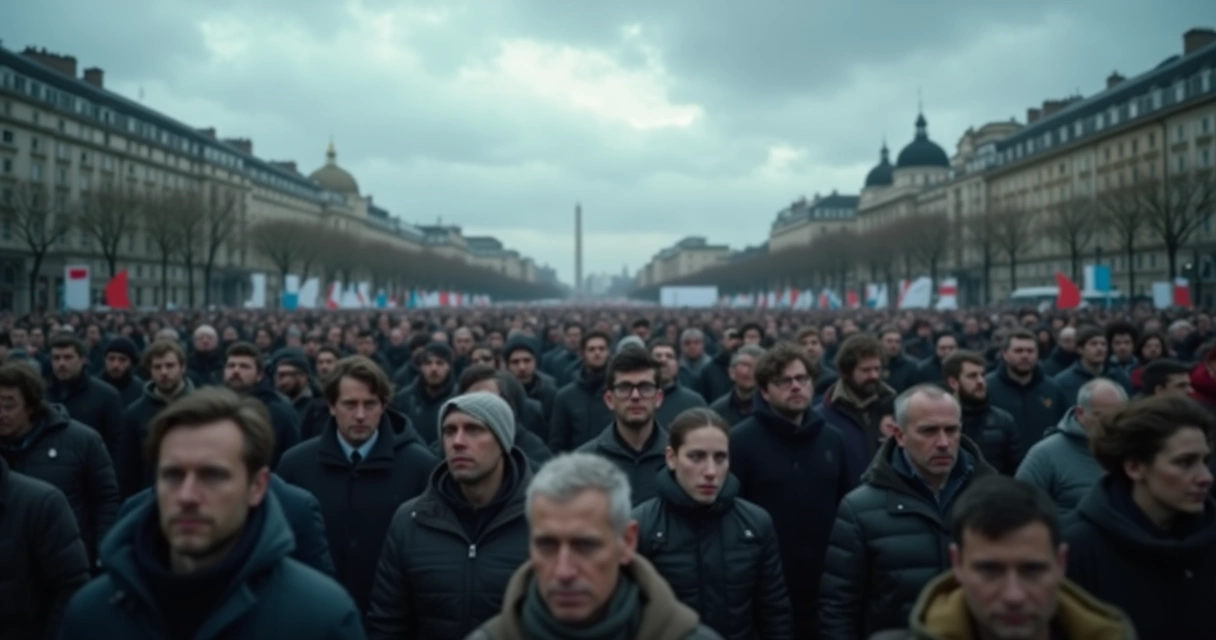
Modern authoritarianism and the appeal of certainty
Authoritarian leaders often rise in societies where emotional discomfort has been ignored for years. We have noticed that these leaders rarely address emotions directly. Instead, their speeches and promises often:
- Blame a group or “enemy” for society’s anxiety
- Promise to “restore order” and protect against chaos
- Dismiss talk of fear, sadness, or vulnerability as weakness
- Encourage “strong” behavior and punish dissent or difference
When collective emotional denial is high, many people feel drawn to leaders who promise to fix their discomfort without naming its true origin. In our observation, these dynamics unfold not only in politics, but also in schools, companies, and families.
That appeal to strong-handed solutions is not random. Emotional denial strips people of language and tolerance for their own discomfort. So, when fear or anger surges—from economic shocks, trauma, or rapid change—people look for certainty outside themselves, not within. The authoritarian leader steps into this void.
When emotions go unspoken, control becomes more appealing than conversation.
Why denied emotions shift societies toward control
Denied or repressed emotion rarely disappears. More often, it seeks channels to express itself—sometimes in distorted, destructive ways. When we as a society deny feelings like fear or anger, those feelings are projected onto groups, laws, or leadership myths. This “emotional outsourcing” can explain why:
- Fears are projected onto minorities, refugees, or anyone “different”
- Rules become stricter, not to support values, but to manage private anxiety
- Authoritarian policies become more common after mass trauma or loss
- Empathy and dialogue are replaced with blame and simple narratives
Modern authoritarianism is both a product and a driver of emotional denial. Its rise encourages societies to value conformity, not emotional honesty; control, not shared understanding.
One way to interrupt this cycle is to encourage a culture rooted in ethical relationships and open expression. In our experience, these principles invite maturity into public life.
The invisible cost of collective emotional denial
When emotional denial becomes a cultural habit, it comes with a cost. We have watched it happen again and again:
- Trust between people breaks down, making cooperation harder
- Social problems are “managed” with strict rules rather than compassion
- Anger, resentment, and fear resurface in unexpected settings—like mass protests or sudden violence
- Change and progress slow, because emotional tension builds invisible barriers
In the end, societies that rely on control rather than dialogue are rarely peaceful for long. The pressure builds until it finds another way out.
Emotional education as an antidote
We believe in another path. When individuals and societies encourage open, honest engagement with emotion, the entire social field changes.
Well-educated emotion is a driver of healthy communities, not a threat to them. Where fear is named, it shrinks. Where anger is expressed constructively, it fuels progress. Where vulnerability is shared, empathy grows. This is the foundation of social stability and ethical coexistence.
Ways to support this include:
- Promoting emotional education in schools, workplaces, and families
- Building cultures that welcome emotional honesty over emotional control
- Supporting laws and policies that reflect compassion, not just order
- Practicing self-awareness tools like self-regulation and group dialogues
- Studying broader patterns of collective behavior to understand how emotions move within communities
The shift from denial to integration does not happen all at once. But each honest conversation—and every act of shared emotional recognition—builds stronger communities. This change is built daily, step by step, emotion by emotion.
Finally, when we sense unrest in our societies, or see the rise of “order at any price,” it can help to search for the emotional roots beneath the surface. Understanding those roots is the first step to healing and real change.
Conclusion
We are convinced that the connection between emotional denial and modern authoritarianism deserves attention. Not just from leaders or policy-makers, but from all who wish for healthy communities. By naming and integrating our collective emotions, we reduce the pull of authoritarian solutions. When we stop running from discomfort and begin to relate to it with honesty and maturity, we find more peaceful, stable, and ethical ways to live together.
Frequently asked questions
What is emotional denial?
Emotional denial is the habit of ignoring, suppressing, or minimizing feelings instead of acknowledging and processing them in healthy ways. It can affect individuals as well as groups, and it often leads to hidden tensions that influence behavior without conscious awareness.
How does emotional denial affect politics?
In politics, emotional denial pushes collective problems underground and drives demand for simplicity and control. Leaders who offer strong solutions without addressing root emotions become appealing, and policies start to reflect anxiety rather than empathy or shared values.
What is modern authoritarianism?
Modern authoritarianism refers to systems or leadership styles that concentrate power, discourage dissent, and restrict open dialogue or differences. These systems often gain support in societies where emotional discomfort is widespread but unspoken.
Can emotional denial lead to authoritarianism?
Yes, emotional denial can create a culture where authoritarianism becomes more appealing. When people cannot express or process difficult emotions, they may seek leaders or systems that promise order and certainty, even at the cost of personal freedom or dialogue.
How can I recognize emotional denial?
Emotional denial can look like avoiding uncomfortable feelings, dismissing emotional conversations, or overvaluing “strength” and control. In groups, it shows up as a lack of open dialogue, quick blame, and low tolerance for vulnerability. A society with emotional denial may equate emotional honesty with weakness and prioritize order above all.