

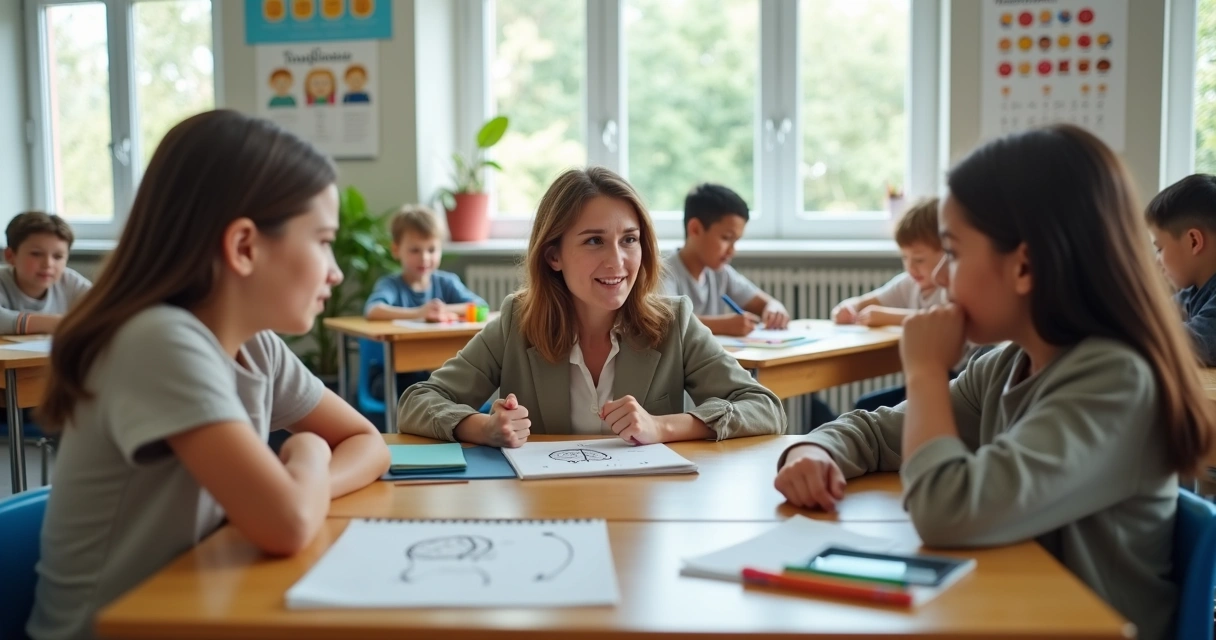
Emotions ripple through every classroom. We have all witnessed the instant silence when a student erupts in frustration, or the collective sighs of relief when a group finally learns to work together. For years, schools have tried to shape these emotional currents, often in ways that do not match the role emotion truly plays in human development. When we look closely, we find an uncomfortable truth: most schools do not teach students how to live with strong emotions like anger. Instead, anger is seen as a threat to order or an individual failing, and the focus is always on enforcing cooperation—usually at any cost.
How schools teach about anger and cooperation
Think of the typical lesson about behavior in a classroom. When something goes wrong—someone shouts, someone refuses to join a group—what usually follows is a lecture about being calm, being nice, or working together. The underlying message is clear:
“Anger is bad. Cooperation is good.”We see charts of sad and happy faces on the wall, reminders to “use your words,” and endless group projects where students are told to get along. Whenever someone is overwhelmed, the most common response is a time-out, a reprimand, or, nowadays, a referral to counseling.
But these common responses reveal a deep misunderstanding. What if, instead of shutting down anger, we tried to understand its message? What if true cooperation requires us to listen to emotions—even the loud, uncomfortable ones?
Why anger is not always the enemy
It is natural to avoid anger. The raised voice, clenched fist, or shocked silence can scare anyone, especially young students. Yet anger is a natural reaction to a sense of injustice, frustration, or hurt. It signals that something, on a personal or group level, is out of balance. If we silence anger without helping students understand its origin, we risk teaching them to bottle it up. Later, those bottled feelings tend to leak out in unhealthy ways—sometimes as physical fights, other times as sneaky conflicts or deep resentment.
We have seen, for example, a student lash out when left out of a game. Instead of asking “Why did you feel this way?” the common response is “Apologize and say you’re sorry.” This may restore surface harmony, but inside the anger festers. Some students internalize guilt, and others learn that their feelings have no place in a shared space.

Cooperation without emotional awareness is fragile
We expect students to cooperate, but do not always provide the tools for them to understand what gets in the way. If anger is ignored or labeled as a problem, students learn to fake pleasantness or withdraw from group interactions. We have found that real cooperation requires emotional honesty. Students need help to:
- Identify why they are angry or hurt
- Express feelings in appropriate language
- Recognize anger as a signal, not a threat
- Discover what needs are not being met
- Learn how to negotiate with others from a place of self-awareness
Cooperation built on ignored emotions is temporary. It lasts only as long as students are willing to mask their true feelings. As soon as the pressure grows—or supervision fades—hidden frustrations resurface.
What schools often get wrong about emotional education
In our experience, we see five major problems with how schools address emotion:
- The focus is on behavior, not understanding the emotion behind it.
- Anger is treated as a threat to discipline, not a sign of unmet needs.
- Cooperation is measured by silence or compliance, not real connection.
- Teachers are rarely trained to handle emotional tension in groups.
- Cultural differences in expressing emotion are often ignored.
One example stands out. We remember a classroom where each disagreement was labeled as “disrespect.” Students who raised strong objections were told to “settle down” or “act like a team.” Over time, the group became less responsive. Students learned it was safer to stay silent than to risk showing difficult feelings.
In our research and practice, we find resources about emotional education offer another approach, one that welcomes emotional honesty.
The value of emotional education in schools
We think schools need to rethink the way emotions are handled, especially in the context of cooperation. Instead of seeing anger as a problem, we could view it as:
- A signal that someone’s needs are not being met
- An opportunity to teach self-regulation and boundary-setting
- A chance to strengthen group trust by facing difficulties together
- A way to respect individual voices within a community
When we help students name and understand their feelings, we give them tools for life. This process does not just improve the classroom climate—it shapes the kind of citizens they become. Practical methods can include conflict circles, guided reflections, and daily emotion check-ins. These do more than diffuse anger; they build a bridge to real cooperation.
Building a culture of emotional maturity and cooperation
Creating lasting cooperation in a school requires more than group projects and team slogans. Real change comes from building a culture where emotions are seen as a source of information and energy. To do this, schools can:
- Give students daily opportunities to recognize and discuss feelings
- Train teachers in emotional self-regulation and conflict mediation, as discussed in self-regulation resources
- Use group decision-making that listens to every voice, including dissent
- Develop clear agreements about respectful disagreement
- Honor cultural and individual differences in emotional expression
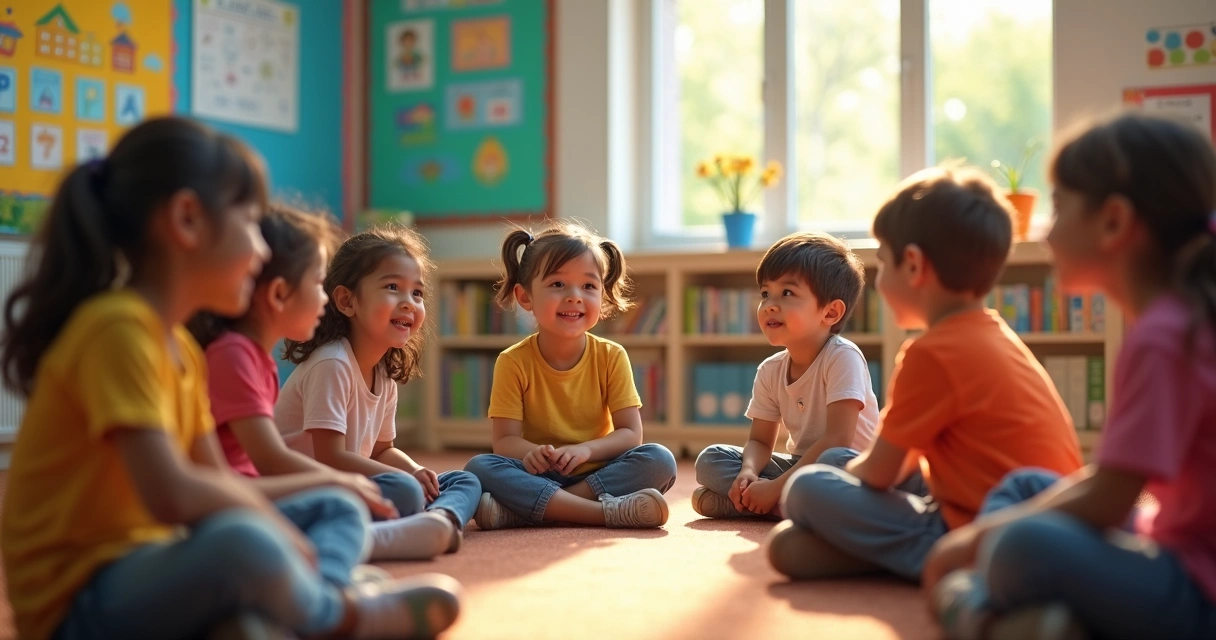
We have found that group traditions like regular check-ins or shared reflections help shift the emotional field of a classroom. This builds a base for stable, authentic cooperation.
Readers interested in these broader issues of community and collective patterns can find more depth in our studies of collective behavior and systemic constellations.
Just as communities need strong social values, teaching students respect and emotional maturity helps shape lasting social ethics.
Conclusion: towards schools that respect the emotional field
We believe schools have the power to change what society believes about emotion. The old idea that anger is the opposite of cooperation no longer serves us. Instead, schools should become places where all emotions are seen, felt, and understood—where anger is not the enemy, but a message calling for attention and action. By teaching students to recognize, accept, and work with even their hardest feelings, we nurture the ground for trust and real teamwork. This transformation is not just possible—it is urgently needed for healthy classrooms and a more balanced society.
Frequently asked questions
What is the role of emotion in schools?
Emotion shapes the climate and culture of every classroom, influencing learning, relationships, and group dynamics. When emotions are acknowledged and understood, students are more engaged and able to connect. Ignoring or suppressing emotion can lead to hidden conflicts and reduced well-being.
How should schools handle student anger?
Schools should treat student anger as a signal, not just a problem to fix. This means providing time and space for students to express their feelings, helping them name the cause, and guiding them towards healthier ways to respond. Teaching self-regulation skills and conflict resolution can turn anger into growth.
Why is cooperation important in classrooms?
Cooperation helps create a safe, supportive environment where students can learn together, share responsibility, and solve problems as a team. Without cooperation, learning can become stressful and less effective. True teamwork includes space for emotion as well as ideas.
What mistakes do schools make about emotion?
Common mistakes include focusing only on behavior, viewing anger as a disciplinary issue instead of a communication, and thinking that silence equals cooperation. Failing to honor emotional diversity or to give teachers training on emotional skills are also frequent errors.
How can teachers foster emotional cooperation?
Teachers foster emotional cooperation by integrating daily emotional check-ins, teaching language for feelings, and encouraging honest expression in group settings. They listen to students' concerns, respond to conflicts with curiosity, and model respect for all emotions. This approach builds trust and allows for real, lasting cooperation.