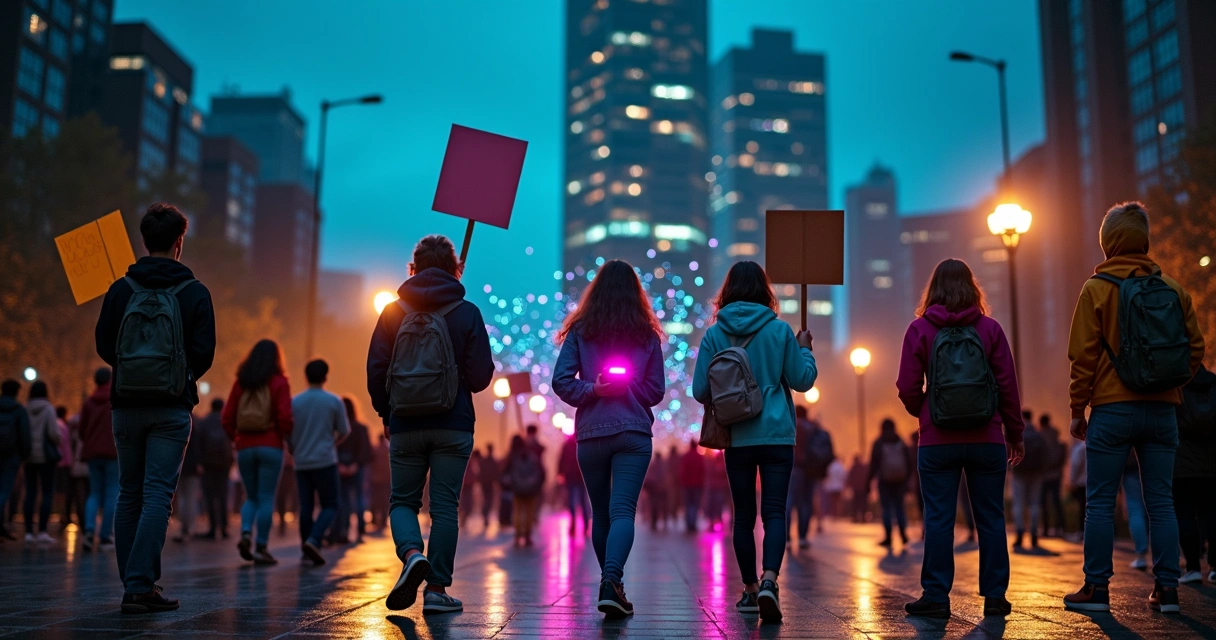
Youth activism in 2026 is not only about ideas, policies, or public action. It is also about emotion moving through groups at high speed. We see it in marches, online campaigns, school forums, mutual aid networks, and voter drives. A feeling starts in one person, spreads to ten, then to thousands. Hope can do this. So can fear. So can anger.
Emotional contagion is the social spread of feeling, and it now shapes how youth activism grows, organizes, and reacts.
When we watch young people gather around a cause, we often notice the message first. Yet the emotional tone is what gives the message force. A calm voice can steady a group in a tense moment. A wave of outrage can pull strangers into a shared cause by nightfall. This is why youth activism in 2026 cannot be understood only through strategy. We also need to look at the emotional field around it.
Why 2026 feels different
Many young people are carrying pressure from several sides at once. Money stress is real. Housing feels distant. Trust in public systems feels weak. A Harvard Youth Poll on economic pressure and falling trust shows just how strong these conditions are among people aged 18 to 29. When stress stays high for a long time, activism often becomes more emotionally charged.
We think this helps explain why youth movements in 2026 are more rapid, more expressive, and at times more fragile. Young activists are not moving from comfort. Many are moving from strain, urgency, and a need to be heard.
Pressure creates motion.
At the same time, the political weight of this generation is growing. A CIRCLE survey on Gen Z power, priorities, and participation notes that nearly 50 million Gen Z individuals will be eligible to vote in the 2026 midterms. That changes the mood around activism. It is no longer seen only as protest. It is also a path to public influence.
How emotion spreads inside youth movements
We have all seen a room change in minutes. One speaker shares a painful story. Faces harden. Bodies lean in. Then someone offers a path forward, and the mood turns into focus. This is emotional contagion in action. It does not need manipulation to happen. It is part of human group life.
In youth activism, emotions spread through stories, symbols, tone, repetition, and shared risk.
In 2026, several channels make this spread faster:
Short video clips that turn private frustration into public language.
Livestreamed protests that let viewers feel present in the crowd.
Group chats where anxiety or courage can multiply in minutes.
Visual symbols, songs, and phrases that bind people into one mood.
This can help movements grow fast. It can also raise the risk of burnout, panic, and moral rigidity. We think the strongest groups in 2026 will not be the loudest ones. They will be the ones that can regulate emotion without losing passion.
Readers who want a wider view of group patterns may find helpful context in discussions on collective behavior.
Trends shaping youth activism in 2026
We are seeing a few clear trends that bring emotion and action together in new ways.
Issue coalitions are becoming more personal
Young activists are linking public issues to lived experience with more direct language. Housing, debt, climate stress, discrimination, war, and mental health are no longer treated as separate boxes. They are spoken about as one daily reality. This makes activism easier to join, because people recognize their own pain in the cause.
Nonviolent action is gaining new respect
There is a growing awareness that disciplined, nonviolent action works. Research on youth participation in nonviolent campaigns shows that movements with strong youth involvement are more than twice as likely to succeed than those with limited youth participation. This matters in 2026. Young people want impact, but many also want methods that do not reproduce the harm they oppose.
Registration gaps are becoming part of the activist conversation
Not all youth communities are entering 2026 with the same access or momentum. A CIRCLE analysis of youth voter registration shifts found a small overall rise compared with 2022, but with sharp differences across groups. That means activism is becoming more attentive to who is being reached, who is being missed, and who is carrying extra barriers.
This is where social ethics comes into view. If a movement spreads emotion but ignores uneven access, it can become narrow without noticing. We think this is why interest in social ethics keeps growing among younger organizers.
The role of social media
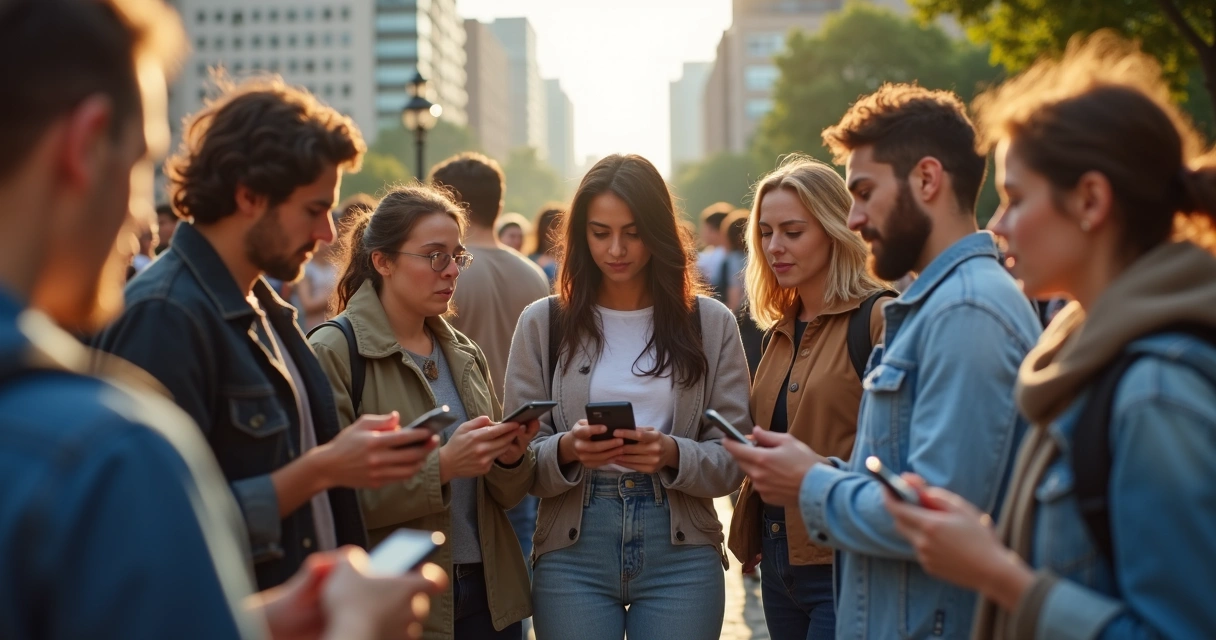
Social media remains a major force, but not in a simple way. It can energize action. It can also trap people in cycles of emotional escalation. We have seen both. A short post can turn isolation into solidarity. The same post can also turn concern into public shaming before facts are clear.
Social media does not create emotion from nothing, but it amplifies, edits, and distributes it at scale.
In 2026, skilled youth organizers are learning to work with this tension. Many are doing three things better than before:
They pause before posting in moments of shock.
They combine online visibility with local, in-person structure.
They build recovery spaces after intense public action.
That last point matters more than many people think. Emotional intensity can pull people into a movement. It cannot keep them healthy on its own. For that, groups need reflection, conflict repair, and self-regulation habits. We often return to practices linked with self-regulation because activism without inner steadiness can become reactive very fast.
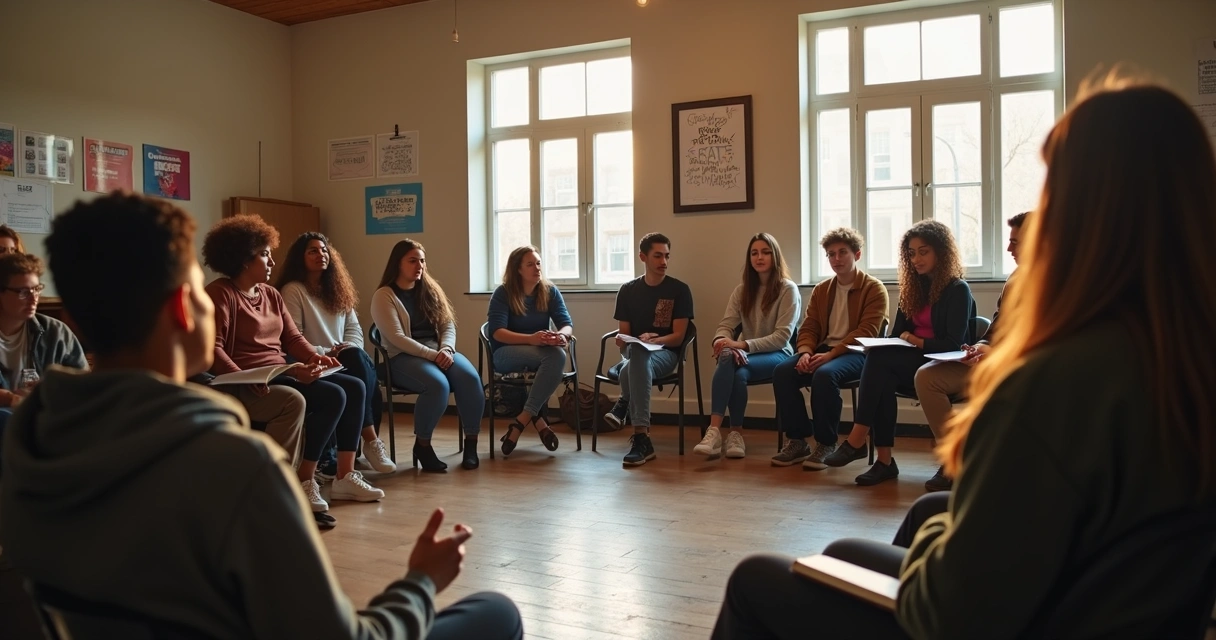
What healthy activism looks like now
Not every emotionally strong movement is healthy. Some run on constant alarm. Some reward rage but have no space for grief. Some ask young people to perform certainty when they are still learning. We think 2026 will reward a different model.
Healthy activism now tends to include:
Clear goals that people can name in one sentence.
Emotional literacy, so groups can tell fear from urgency.
Shared rituals that reduce stress before and after action.
Room for disagreement without instant exclusion.
Training that turns strong feeling into steady civic action.
This is why emotional education has become part of the wider conversation around social change. Young people do not only need causes. They also need ways to carry those causes without breaking under them.
We also value the human voice behind these reflections, and readers may appreciate perspectives gathered by the editorial team.
Conclusion
Youth activism in 2026 is growing in a time of strain, speed, and deep emotional exposure. That makes emotional contagion a real force in public life. It can widen empathy, increase courage, and move people toward shared action. It can also spread fear, exhaustion, and division if groups do not know how to hold strong feeling well.
We believe the next step for youth activism is not less emotion. It is better emotional grounding. When young people can organize feeling instead of being ruled by it, their activism gains more clarity, more staying power, and more social trust.
Strong feeling needs wise direction.
Frequently asked questions
What is emotional contagion in youth activism?
Emotional contagion in youth activism is the spread of feelings such as hope, anger, fear, or courage through a group. It happens through speeches, posts, videos, symbols, and shared experiences. In activism, this spread can help people unite quickly, but it can also raise tension if a group lacks emotional balance.
How does social media affect youth activism?
Social media helps youth activism move fast by spreading stories, calls to action, and live updates. It can build solidarity and public attention in a short time. At the same time, it can intensify conflict, increase pressure to react fast, and keep groups in a state of emotional overload.
What are the latest youth activism trends?
The latest trends in 2026 include stronger links between personal experience and public issues, more focus on nonviolent action, wider use of digital organizing, closer attention to voter access gaps, and a growing interest in emotional education within movements. Many youth groups are also combining online campaigns with local community action.
How can I join youth activism groups?
You can join youth activism groups by starting with local community spaces, student networks, neighborhood initiatives, issue-based volunteer teams, and voter engagement efforts. It helps to choose a cause that connects with your values, then attend one meeting, listen well, and take one clear role that matches your skills and energy.
Is youth activism effective in 2026?
Yes, youth activism is effective in 2026, especially when it is organized, nonviolent, and grounded in clear goals. Young people hold growing electoral influence, shape public debate, and often push institutions to respond. Its effect is strongest when strong emotion is paired with discipline, cooperation, and long-term commitment.