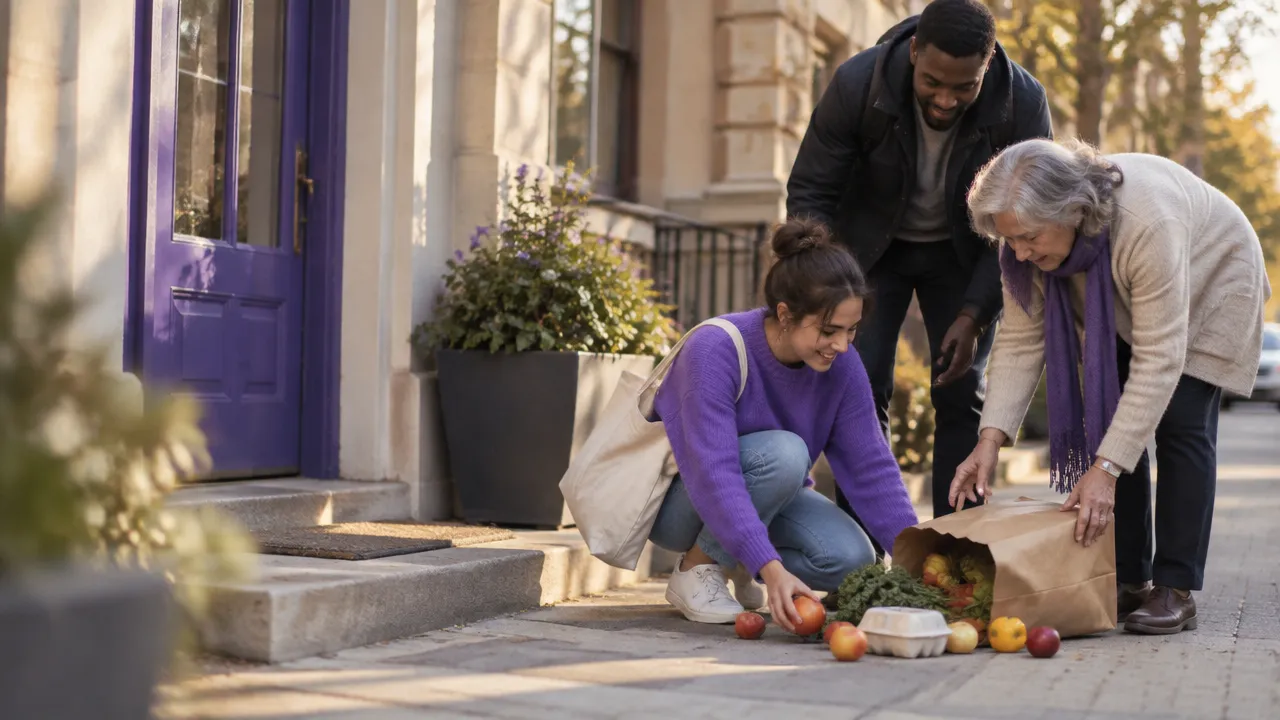


Social cohesion is the strength of the relationships, trust, and shared belonging that help people live and solve problems together. For community members, educators, and local leaders, the practical lesson is that cohesion grows through fair treatment and repeated cooperation, not simply through shared slogans or the absence of conflict.
Key takeaways
- Belonging is durable when people can participate without hiding important parts of who they are.
- Trust depends on both everyday relationships and whether institutions act fairly and explain their decisions.
- Conflict does not automatically weaken a community. The way people handle it matters.
- Small, repeated experiences of cooperation can build stronger ties than one-off campaigns.
- Measure cohesion through lived experience, not just attendance, harmony, or a single survey score.
What does social cohesion mean beyond agreement?
Social cohesion means people can recognize one another as members of a shared community, even when they disagree. It is not sameness, forced politeness, or the demand to adopt one identity. A cohesive group makes room for difference while maintaining enough trust and responsibility to act together.
That distinction matters because a quiet room can hide exclusion or fear. A community may appear united while some residents feel ignored, unsafe, or unable to influence decisions. Stronger evidence of cohesion is whether people can raise concerns, hear opposing views, and remain part of the group afterward.
This emotional dimension connects personal experience with collective life. Repeated rejection can teach people to withdraw; reliable welcome and fair participation can make cooperation feel possible. Emotional resilience in schools, for example, can shape how young people learn to handle disagreement and seek support.
Which conditions make belonging durable?
Belonging lasts when people experience both supportive relationships and fair systems. Everyday trust between neighbors is one part; confidence that schools, local services, employers, and public institutions listen and apply rules consistently is another.
- Horizontal trust: People expect neighbors and community members to act with basic respect and reciprocity.
- Vertical trust: People believe institutions are competent, fair, and responsive to those affected by decisions.
- Inclusive identity: A shared sense of “we” does not require people to erase differences or histories.
- Real participation: People have accessible ways to contribute and can see how their input shaped a decision.
These conditions influence one another. When a process feels unfair, interpersonal suspicion can grow. When people are excluded from participation, public promises of unity may sound hollow. Ethical principles for group life are most credible when they show up in everyday decisions, not only in stated values.
How do emotions shape trust?
Trust is partly an emotional judgment: people assess whether others are safe, dependable, and willing to treat them fairly. When fear dominates, a group may interpret difference as danger and turn toward control or blame. When anger goes unheard, it can harden into resentment rather than productive demands for change.
These feelings are not private matters alone. They spread through family conversations, workplaces, media, and institutions, shaping what a group sees as acceptable. Communities can interrupt that cycle by acknowledging harm, explaining decisions, and giving people respectful ways to express disagreement. The patterns linking collective fear and social trust show why emotional conditions deserve attention alongside formal rules.
Emotional maturity does not mean avoiding difficult feelings. It means naming them without making a whole group the enemy, then using that information to respond with accountability and care.
What does cohesion look like in everyday life?
A neighborhood project offers a concrete example. Residents who share a garden might disagree about its rules, access, or budget. Cohesion is visible when they discuss the trade-offs openly, include people who use the space differently, and follow through on agreed responsibilities.
The same principle applies in a school, workplace, or civic meeting. A group becomes more cohesive when members can contribute, question a decision without retaliation, and repair relationships after a mistake. The goal is not constant agreement; it is dependable ways to stay connected through disagreement.
How can communities build stronger ties?
Communities can strengthen trust by making cooperation regular, inclusive, and accountable. A single celebration may create a pleasant moment, but repeated contact around shared responsibilities gives people more chances to become reliable to one another.
- Create recurring shared tasks, such as a neighborhood cleanup, peer mentoring, or a resident-led improvement project.
- Make meetings accessible and explain how decisions will be made before asking people to participate.
- Share responsibility across groups instead of relying on the same volunteers or informal leaders.
- When harm occurs, name what happened, hear affected people, and state what will change.
- Review who benefits from a project and who still faces barriers to joining it.
Emotionally literate community projects turn these ideas into routines by making room for perspective-taking, clear communication, and follow-through.

How can you tell whether cohesion is growing?
Look for changes in trust, access, and cooperation over time, and ask different groups whether they experience them similarly. Attendance alone is not enough: people may show up without feeling heard, while useful cooperation may happen in less formal settings.
| Signal | What to ask or observe |
|---|---|
| Belonging | Do people feel welcomed and respected in shared spaces? |
| Voice | Can participants influence decisions that affect them? |
| Trust | Do people expect neighbors and institutions to keep commitments? |
| Cooperation | Can groups work together across differences and complete shared tasks? |
| Repair | After conflict or harm, are concerns heard and actions taken? |
Use surveys alongside conversations and observable outcomes. Disaggregate responses where appropriate so an average does not hide experiences of exclusion. Stronger cohesion means more people can participate safely, not simply that fewer people voice disagreement.
Why does cohesion matter when communities face strain?
Trust and belonging give people a foundation for responding to shared problems together. When relationships are weak, a crisis can deepen suspicion and isolation; when people have reliable ties and fair channels for action, they have more ways to exchange information and coordinate support.
Social connection also matters for health and well-being. The U.S. Surgeon General’s advisory on social connection describes its public health significance and the risks associated with disconnection. This is one reason community-building is not merely a social nicety. It is part of the conditions that help people feel supported and able to contribute.
A cohesive society is not one without tension. It is one where disagreement does not cancel belonging, institutions can earn trust through fair action, and emotional awareness helps people turn conflict into shared responsibility.
Frequently asked questions
What does social cohesion mean?
Social cohesion is the quality of relationships that helps people feel they belong, trust one another, and work together. It does not require agreement on every issue. It depends on fair treatment, meaningful participation, and the ability to handle disagreement without turning differences into exclusion.
What is an example of social cohesion?
A neighborhood where residents of different ages and backgrounds plan a shared garden is one example. People contribute in different ways, make decisions together, and see their effort benefit the whole group. The important feature is not the garden itself, but repeated cooperation and a sense of shared responsibility.
What are the three elements of social cohesion?
Three useful elements are trust between people, a sense of belonging across groups, and confidence that institutions treat people fairly. They reinforce one another: belonging invites participation, fair processes make trust more plausible, and trust makes cooperation across differences easier to sustain.
What happens when a community lacks social cohesion?
When cohesion is weak, people may withdraw from shared spaces, distrust neighbors or institutions, and interpret differences as threats. Cooperation becomes harder, while rumors and resentment can spread more easily. This does not mean a community is doomed; fair processes and reliable opportunities to work together can rebuild connection over time.
Why is social cohesion important?
Social cohesion matters because it helps people solve shared problems, support one another, and navigate conflict without relying on force or exclusion. It can also support well-being: social connection is an important public health concern. Cohesion is strongest when belonging is inclusive and paired with fairness, not enforced conformity.