


Every person carries more than their own story. We all inherit a subtle, yet powerful, emotional legacy from the families we come from. These legacies do not simply stay within the walls of our homes—they ripple outward, shaping entire generations and even societies. Understanding how this inheritance works helps us see the deep connections between individual feelings, family patterns, and collective behaviors.
The invisible transmission of emotion
Emotional inheritance isn't about genetics alone. We are talking about the patterns, expectations, silence, and expressions that are learned and reinforced through daily life—from lullabies sung at bedtime to how conflicts are resolved at the dinner table. Children absorb not just what is taught, but also what is felt and repeated within their environment.
Family memories often linger in the way we react to the world.
Researchers have documented how intergenerational transmission of trauma occurs: children of parents who have experienced unresolved pain or distress show similar emotional responses, even when these stories are never openly discussed. This is not an abstract theory—it is supported by evidence that highlights ongoing effects impacting mental health, confidence, outlook, and social orientation.
How family emotional climates form
The emotional climate of a family is built over time. It includes:
- The way emotions are labeled, expressed, or avoided
- Hidden rules about when it is safe to be joyful, angry, or sad
- The balance (or absence) of support and criticism
- Responses to crises or conflict—whether discussion, avoidance, or denial prevail
Positive climates foster openness, safety, and trust. Negative climates, marked by criticism, unpredictability, or denial, can generate chronic stress and confusion. The presence of mindfulness, self-compassion, and supportive family environments has been shown to soften the tendency for emotional distress to pass from one generation to the next.
In our work, we see that “inheritance” is rarely obvious. It appears in subtle habits—how families respond to mistakes, talk about success, or handle grief. Sometimes, what remains unsaid has the deepest impact.
Patterns that repeat and their impact on society
What begins in a single home quietly gathers power. Family-level attitudes toward work, authority, education, emotion, and difference ripple out. Put enough families together with similar experiences and societal trends emerge.
For example, when a culture is shaped by parents who, perhaps from their own upbringing, avoid open conversations about feelings, children learn to self-censor. This extends into classrooms, workplaces, and even conversations about national identity. Social attitudes around vulnerability, competition, and cooperation are built from the ground up.
The connection between family experiences like parental divorce and later relationships shows us how the emotional echoes of one generation influence the next. This cascade is not just personal—it is the groundwork for our laws, policies, and public debates.
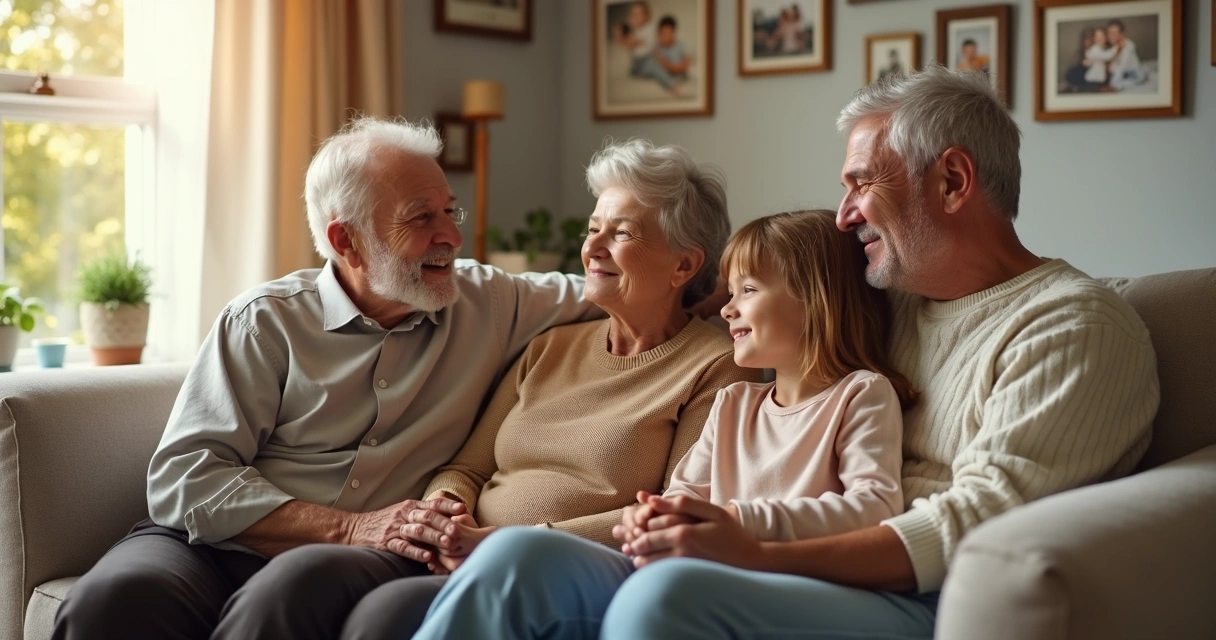
We often see society grappling with inherited values or wounds—a nation arguing over historical injustices, or organizations replicating patterns of hierarchy learned in childhood homes. The emotional echoes of the past are everywhere.
The influence of society on family patterns
While families pass emotions down, society also shapes the way families function. For example, studies from post-unification Germany found that changes in political systems influenced rates of childhood maltreatment. Protective factors, such as community networks or policies promoting child welfare, can alter the emotional climates passed on to the next generation.
Society can encourage healing, too. Community dialogue, accessible mental health services, and educational programs that promote emotional understanding all help interrupt negative cycles. When there is social support for open communication and self-regulation, families can pass on healthier patterns.
We agree that the relationship between personal experience and broader society is always two-way. Collective behaviors grow from countless individual stories, yet the collective can shape what stories are allowed to be heard.
Breaking cycles and building positive change
Families do not have to repeat the past. With awareness, it is possible to break patterns of denial, silence, or reactivity, and instead offer acceptance, understanding, and new possibilities for the next generation.
- Recognizing inherited patterns: Sometimes called “emotional mapping,” this process means learning to see the habits or beliefs that have been passed down without question.
- Learning self-regulation tools: Self-regulation practices help individuals pause, reflect, and choose different responses, rather than acting on automatic emotions.
- Strengthening emotional education: Teaching children—and adults—how to recognize, talk about, and care for feelings is a preventive action. The emotional education of individuals helps communities become more compassionate.
- Bringing legacy into consciousness: Reflection on family legacy has proven benefits, including increased generosity and broader moral concern. It prompts people to act not just for themselves, but for the larger world.
Leveraging systemic constellation methods can help reveal hidden family and societal dynamics for healing and change. These tools assist people in identifying what feels inherited versus what is possible to transform.
The long reach of childhood experience
The effects of family emotional legacy are most visible in the transition from youth to adulthood. A stable and supportive family climate has been found to protect mental health, while childhood trauma, if not addressed, can increase the risk of psychological distress later in life. Patterns of intergenerational trauma link parental pain directly to the well-being of children.
Supportive climate and the presence of protective relationships can break these cycles. The quality of family relationships mediates not only emotional health, but also resilience to external pressures.
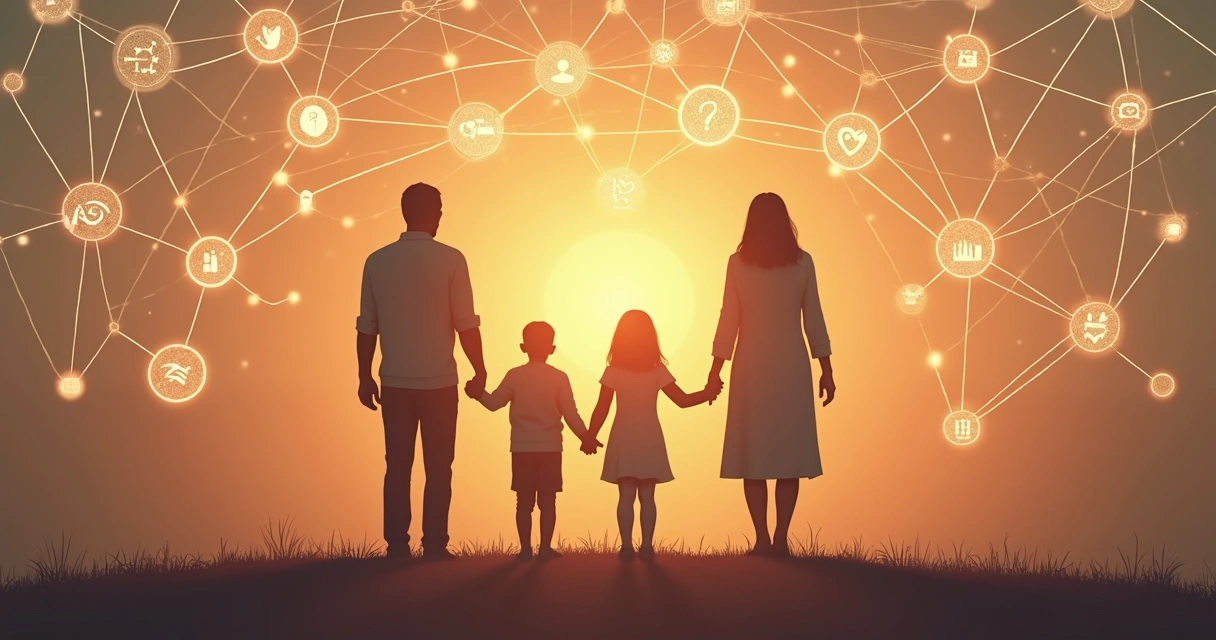
Society benefits when families strengthen their capacity for reflection, healing, and conscious change. It is one of the most direct ways to build collective stability, trust, and ethical social life.
Healing generations begins at the kitchen table, not just in public squares.
The weight of legacy and the gift of awareness
We all have a personal story, shaped by family, community, and culture. But these stories are not fixed. The weight of emotional inheritance can be heavy, but the gift of awareness allows new choices.
Bringing attention to our own inherited patterns—both the ones worth keeping and the ones worth changing—starts a ripple effect. One family at a time, society moves closer to balance and empathy. Reflection, self-regulation, and emotional education are not solitary actions; they are the means by which private legacies become public progress.
We support fostering social ethics rooted in emotional maturity, not denial. Every step toward understanding family legacy is a step toward a healthier society for all.
Conclusion
Emotional inheritance is more than a personal matter—it is a hidden force of history, belonging, and possibility. By understanding and transforming family legacies, we do more than heal individuals; we build the quiet foundations of a more just, open, and balanced society. This transformation relies on the courage to see, reflect, and act, knowing that what we inherit can be changed for those who come next.
Frequently asked questions
What is emotional inheritance in families?
Emotional inheritance in families refers to the transmission of patterns, beliefs, and emotional responses across generations, often passing through daily habits, repeated stories, and even silence. It is not about genes alone, but the way families express, suppress, or handle feelings.
How does family history shape society?
Family history shapes society by influencing collective attitudes, behaviors, and values. When many families carry similar emotional patterns, these can consolidate into broader social norms, laws, and public debates. Over time, personal history becomes the foundation for collective action.
Can emotional inheritance affect mental health?
Yes, emotional inheritance plays a part in mental health outcomes. Research shows that the transmission of trauma and negative emotional patterns from parents to children increases risk for emotional distress, anxiety, and depression. A supportive emotional climate helps break these cycles.
How can I break negative family patterns?
Breaking negative patterns starts with awareness. Identify which emotional reactions repeat in your family, practice self-regulation, seek emotional education, and consider new ways to express and process feelings. Reflection on your own reactions and history is key.
Why is understanding family legacy important?
Understanding family legacy is important because it offers insight into present behaviors and social involvement, allowing people and communities to create change rather than repeat old wounds. It is the bridge between personal healing and societal progress.