

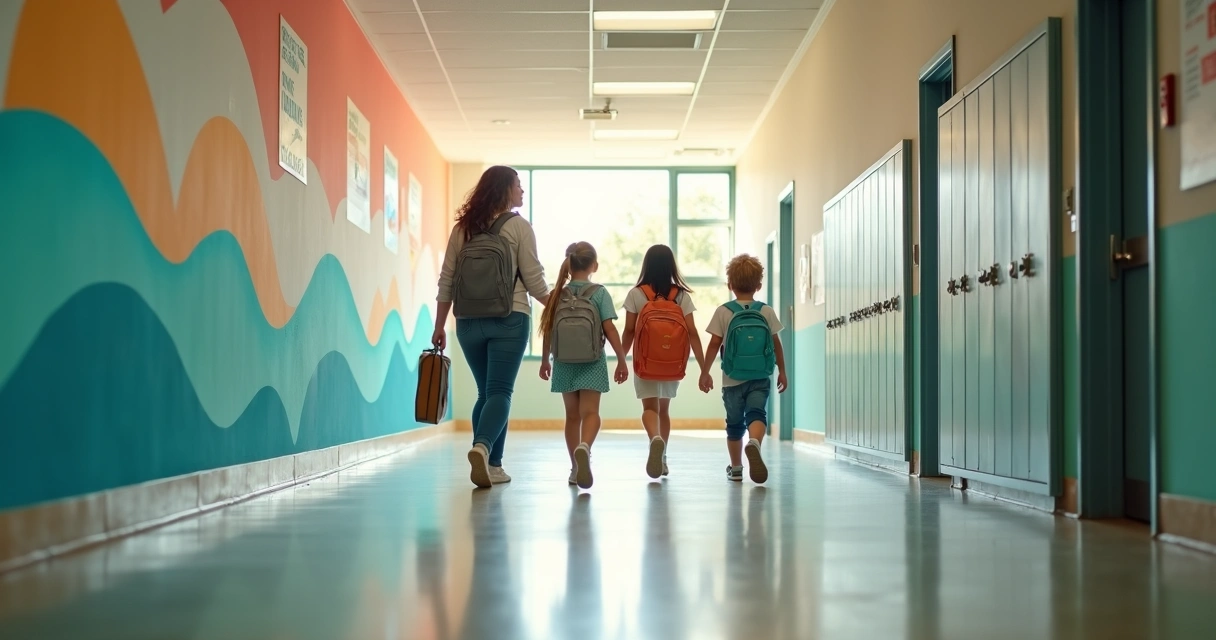
We often talk about school success as if it starts with books, schedules, and test scores. In our experience, it starts earlier. It starts in the emotional climate of the school day. A student who feels safe, seen, and able to recover from stress learns in a different way from a student who feels shut down, tense, or alone.
Emotional resilience in schools is the ability to face stress, recover from setbacks, and keep growing without losing a sense of stability.
This does not mean asking children to ignore pain. It means helping them name what they feel, manage pressure, ask for help, and return to balance. We have seen that when schools build this skill on purpose, discipline improves, relationships become steadier, and learning feels more possible.
A school once shared a simple story that stayed with us. A student failed a quiz, pushed the paper away, and said, “I am just bad at this.” A teacher paused the lesson for one minute, guided the class through breathing, and helped the student replace that sentence with, “I am upset, but I can try again.” Small moment. Big shift.
Resilience grows in repeated moments.
Why school systems need an emotional framework
School systems are not just academic structures. They are social and emotional environments. Stress moves through them fast. So does calm. If adults react with fear, students absorb it. If routines support reflection and repair, students learn that hard moments can be managed.
Research supports this view. Findings on student resilience and self-efficacy show that resilience supports academic results indirectly, lowers anxiety through self-belief, and adds to student well-being beyond anxiety measures alone.
We think this matters because schools often try to solve emotional strain only after conflict appears. A stronger path is to build daily structures that reduce emotional overload before it becomes behavior, absence, or disengagement.
To do that, schools need a shared framework with clear goals:
Teach students how emotions affect attention, choices, and relationships.
Train staff to respond to distress with steadiness, not only correction.
Create routines that make repair normal after mistakes or conflict.
Include families so students receive similar messages across settings.
When these parts work together, resilience stops being a slogan and becomes part of school culture.
What resilient schools do every day
We have noticed that resilient schools rarely depend on one program alone. They build habits. They repeat them. They make emotional learning visible in ordinary parts of the day.
The best school systems treat emotional resilience as a daily practice, not as a response only for crisis.
That daily practice can include:
Brief emotional check-ins at the start of class.
Simple language for naming feelings without shame.
Quiet reset spaces for students who need a pause.
Restorative conversations after conflict.
Predictable routines that lower uncertainty.
Adult modeling of calm tone, boundaries, and repair.
We also believe schools should connect this work to learning, not treat it as separate. A student can reflect after group work, write about frustration during revision, or notice body signals before a test. Emotional skills belong in the day, not outside it.
For teams building a stronger base, content on emotional education and self-regulation can support a more structured view of these habits.
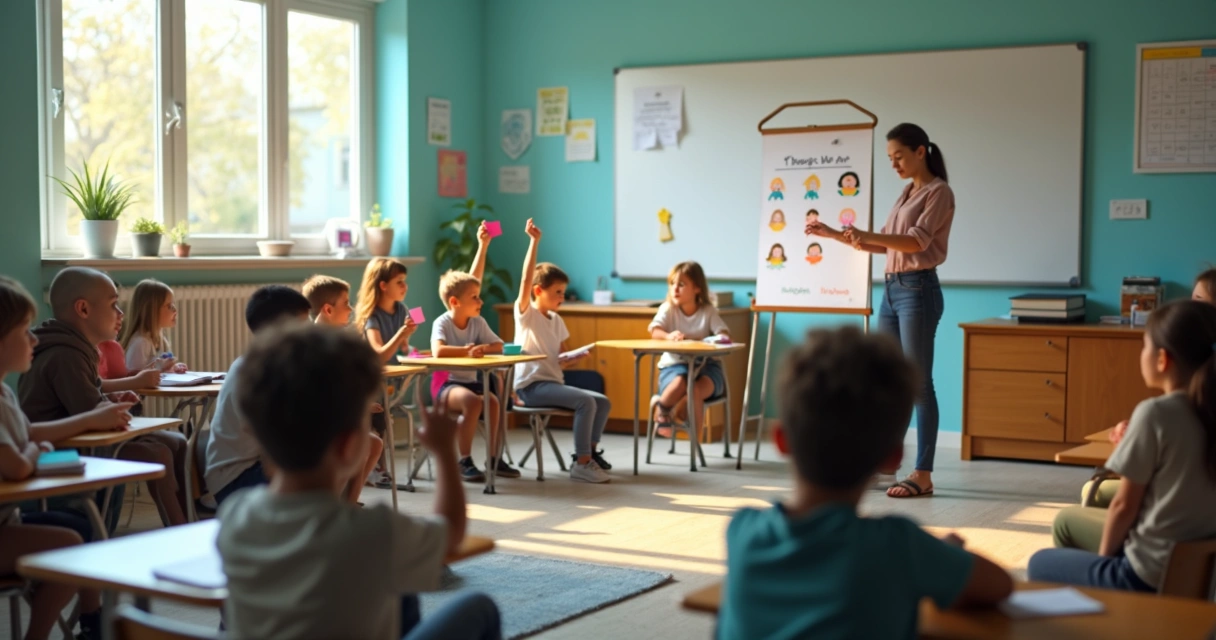
How to build resilience system-wide
Good intentions are not enough. Schools need a sequence. We suggest starting with a few shared actions that can spread across the system without confusion.
Here is a practical order:
Assess the current emotional climate. Ask staff, students, and families where stress shows up most.
Train adults first. Students cannot learn regulation from dysregulated systems.
Choose a small set of common practices for every classroom.
Build referral paths for students who need added support.
Review discipline policies to make sure they allow repair, reflection, and return.
Track changes in attendance, behavior, and school connection over time.
Large-scale evidence gives schools reason to stay with the process. An evaluation from a long-term school resilience program across more than 100 schools found better mental health outcomes, including lower depression and anxiety, when schools sustained the work over several years.
That long view matters. Emotional resilience is built through consistency. Not speed. Not pressure.
The role of teachers and school leaders
Teachers shape the emotional tone of learning more than any poster or policy can. School leaders shape the conditions teachers work in. If either group is exhausted and unsupported, students feel it.
We think staff support is often the missing piece. A teacher under constant strain may become reactive without meaning to. A principal handling nonstop conflict may focus only on control. This is why emotional resilience in schools must include adults, not just children.
Helpful supports for staff include:
Regular reflective meetings focused on student emotional patterns.
Clear response plans for distress, conflict, and escalation.
Short regulation practices before demanding parts of the day.
Peer support and coaching after difficult incidents.
We also encourage leaders to connect resilience with values such as respect, fairness, and repair. Work on social ethics and collective behavior can help schools see how personal emotions become shared group patterns.
How families strengthen the work
Students do better when school and home send a similar message about stress, mistakes, and recovery. Families do not need advanced training. They need clear language, simple tools, and reassurance that resilience is learned over time.
Parents support resilience best when they respond to feelings with structure, calm, and consistency.
That can look like listening before correcting, keeping routines steady, helping children name feelings, and asking reflective questions such as “What happened?” and “What can we try next time?” We have found that this lowers shame and builds responsibility at the same time.
Schools can support families by sharing short guides, hosting practical workshops, and offering language that is easy to use at home. In some cases, patterns in student distress also reflect wider family or group histories. Thoughtful work around systemic constellation themes can help educators notice repeating emotional burdens without blaming families.

Conclusion
When school systems build emotional resilience, they do more than reduce stress. They change the way learning, behavior, and belonging unfold each day. We have seen that students do better when adults teach recovery as clearly as they teach reading or math.
There is also long-term support for this direction. Research on lasting effects of early social-emotional learning through middle school shows gains in academic results, social-emotional skills, and student attitudes toward school and self.
The path is clear. Start small. Stay steady. Build routines that help students and adults return to balance after pressure, conflict, and disappointment. That is how resilient school systems are formed, one repeated moment at a time.
Frequently asked questions
What is emotional resilience in schools?
Emotional resilience in schools is the learned ability of students and staff to handle stress, recover from setbacks, and keep functioning with stability. It includes self-awareness, emotional regulation, healthy support-seeking, and the ability to repair after conflict or failure.
How can teachers build emotional resilience?
Teachers can build emotional resilience by creating predictable routines, modeling calm behavior, teaching students to name feelings, using brief regulation practices, and guiding reflection after mistakes. They also help when they respond with firmness and care at the same time.
Why is emotional resilience important for students?
Emotional resilience helps students cope with pressure, stay engaged in learning, and recover after disappointment. It supports attention, relationships, and well-being, and it can lower anxiety while strengthening self-belief and persistence.
What are the best practices for schools?
Best practices include staff training, daily emotional check-ins, shared classroom routines, calm spaces for reset, restorative responses to conflict, family involvement, and long-term follow-up. Schools get better results when resilience work is built into the whole system instead of treated as an occasional activity.
How can parents support resilience at home?
Parents can support resilience at home by listening without rushing, keeping routines stable, helping children name emotions, setting clear boundaries, and talking about mistakes as chances to learn. A calm and steady home response makes it easier for children to recover and try again.