We often treat boredom as a small private feeling. A slow meeting. A tired commute. A service that feels frozen in time. Yet when boredom spreads across groups, neighborhoods, and institutions, it starts to shape public life. It becomes collective boredom. And that mood can push policy systems in two very different directions.
One path leads to apathy. People stop expecting better. They disengage, delay, and withdraw. The other path is more creative. Officials, residents, and civic teams begin to sense that old routines no longer match real life. They look for new forms, new services, and new rules.
Collective boredom is a shared feeling that public life has become repetitive, unresponsive, or emotionally flat.
We think this matters more than many policy debates admit. Public policy is not shaped by budgets and laws alone. It is also shaped by the emotional climate in which people live. When many people feel stuck, that feeling enters institutions. It affects how problems are named, which reforms gain support, and how much patience remains for the old way of doing things.
When sameness becomes a public issue
Boredom is not always laziness. Sometimes it is a signal. It tells us that people no longer feel mentally or emotionally engaged by the systems around them. A bus route that never adapts. A health form no one understands. A town hall process where the outcome seems known before anyone speaks. These are not just dull experiences. They weaken trust.
We have seen this pattern in many settings. First, people complain about monotony. Then they joke about it. After that, they stop showing up. Silence grows. That silence can be mistaken for consent, but it is often exhaustion.
People disengage before they rebel.
In public life, sameness becomes a policy issue when it appears in several places at once:
Services feel outdated even when they still function.
Public communication sounds generic and distant.
Civic participation drops because people expect little change.
Workers inside institutions repeat procedures without reflection.
At that point, boredom is no longer personal. It is social. It begins to shape collective behavior, which is why discussions on collective behavior help frame it as more than a passing mood.
Why boredom can trigger innovation
Not every reform starts with crisis. Some start with emotional fatigue. People get tired of forms, lines, delays, and rituals that no longer make sense. That tiredness creates pressure. It asks a plain question: why are we still doing it this way?
Boredom can open space for innovation because it weakens attachment to routines that have lost meaning.
That does not mean every bored society becomes inventive. The result depends on whether institutions can listen and respond. If they can, boredom becomes a diagnostic tool. It reveals where public life feels empty, over-scripted, or detached from lived experience.
We can think of this process in stages.
People feel repetition and emotional flatness.
Confidence in old procedures starts to fade.
New ideas sound less threatening because the old ones no longer inspire loyalty.
Policy teams test different methods, language, and service design.
In our view, this is one reason some of the best policy shifts begin with listening sessions rather than technical fixes. Before systems change, people often need room to say, in simple terms, that public life feels stale.

What the data suggests
Public institutions do not innovate well by accident. A global survey of 89 cities on innovation capacity found that about 55% report formal innovation goals, around 49% have a formal innovation strategy, and about 85% say data plays a significant role in innovation and policy decisions. We read this as a clear sign that emotional pressure alone is not enough. Boredom may create demand for change, but structured action turns demand into policy.
At the same time, boredom itself appears to be rising in modern settings. A cross-temporal meta-analysis on boredom-proneness reported a marked rise from 2009 to 2020 among Chinese college students, with links to internet use, mobile phone use, urbanization, GDP per capita, and social connectedness. We should be careful with broad comparisons, but the pattern is striking. Modern life can produce stimulation and boredom at the same time.
That mix affects policy. When people are flooded with content but starved of meaning, they become less patient with public systems that feel slow and scripted. This is where emotional education starts to matter. Work on emotional education helps us see boredom not as a flaw in character, but as information about unmet human needs.
Where boredom-driven policy change appears
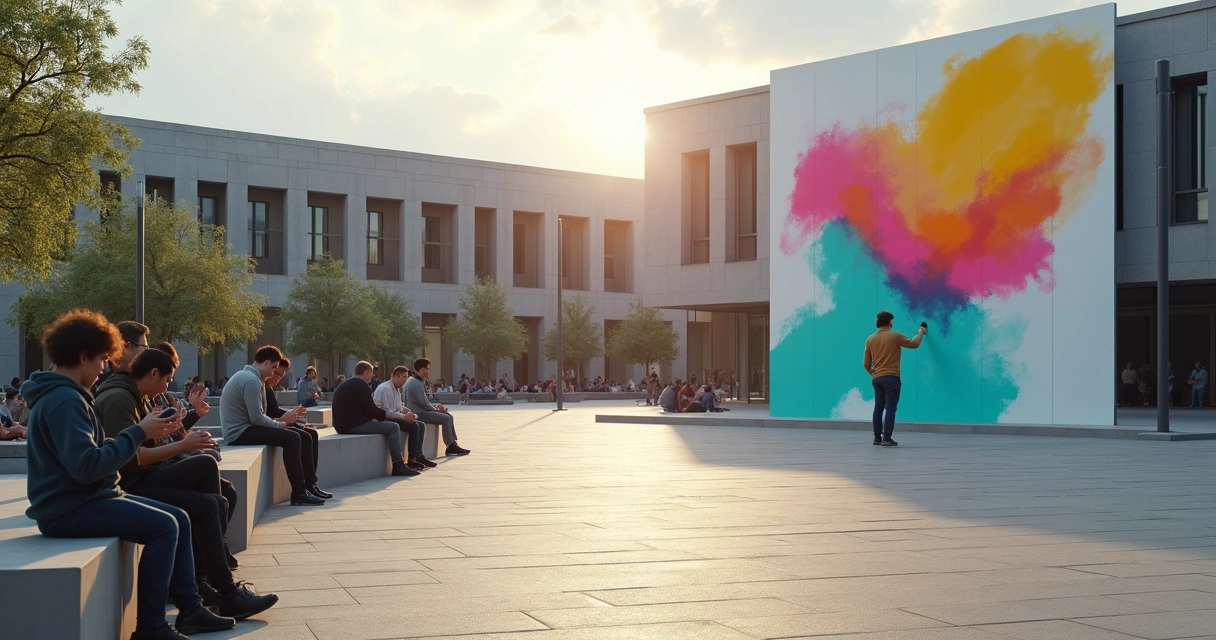
We tend to notice boredom-driven innovation in ordinary places. Not in grand speeches, but in redesigned forms, more human service language, flexible use of public spaces, and fresh participation models.
Some common examples include:
Local governments replacing long hearings with shorter, themed community sessions.
Transit systems testing real-time updates because riders no longer tolerate uncertainty in silence.
Libraries, parks, and schools expanding multi-use spaces to answer social monotony in urban life.
Digital services becoming simpler because repetitive friction destroys trust.
We also notice a deeper layer. Sometimes boredom is inherited through systems. A community may repeat civic patterns that no one fully believes in anymore. Procedures continue because they are familiar, not because they are alive. Reflections found in systemic constellation can help us read these repeated social patterns with more care.
Boredom often points to blocked meaning.
Why some policy systems ignore it
Many institutions are better at measuring crisis than monotony. They track crime, illness, delay, and cost. But they rarely ask whether citizens feel mentally absent from public life. That gap matters because boredom erodes policy success quietly.
A program can exist on paper and still fail in practice if people find it deadening, confusing, or emotionally thin. We have all seen this kind of failure. A useful service is launched, but the process around it feels so dull or cold that people avoid it unless forced.
Policy success depends not only on access, but also on whether people can stay psychologically engaged with the system.
This is also an ethical issue. Public systems should not merely process bodies through procedures. They should support human dignity. That is why a wider discussion of social ethics belongs in any serious talk about policy design.

How policymakers can work with boredom
We believe the first step is simple. Stop treating boredom as trivial. If many residents feel detached, that is usable civic information. It can guide reform.
Policy teams can work with collective boredom in a few grounded ways:
Measure lived experience, not only output. Ask where people feel stuck, lost, or mentally absent.
Redesign contact points such as forms, waiting rooms, public meetings, and digital portals.
Create small experiments before large reforms, so institutions can test what renews engagement.
Train staff to hear emotional signals without dismissing them as mere complaints.
When teams need a broader view of themes, patterns, and public concerns, a well-structured content search across related topics can also support reflection and policy learning.
Conclusion
Collective boredom shapes innovation in public policy by exposing where social life has become repetitive, emotionally distant, or drained of meaning. It can weaken trust, lower participation, and make good programs fail quietly. Yet it can also loosen the grip of old routines and create support for better ideas.
We see boredom as a social signal. When institutions learn to read it well, they can design policies that feel clearer, more human, and more alive. That is not a minor change. It is one way public life recovers movement.
Frequently asked questions
What is collective boredom in public policy?
Collective boredom in public policy is the shared feeling that public systems, services, or civic routines have become repetitive, unresponsive, or emotionally flat. It appears when many people feel detached from how institutions work.
How does boredom lead to innovation?
Boredom can lead to innovation by weakening attachment to outdated routines. When people and institutions feel that old methods no longer create meaning or trust, they become more open to testing new service models, communication styles, and policy tools.
Can boredom affect policy success?
Yes. Boredom can reduce participation, trust, and follow-through. A policy may be technically sound, but if the experience around it feels cold, repetitive, or draining, people may avoid it or disengage from it.
What are examples of boredom-driven innovation?
Examples include simpler digital government services, more engaging public meetings, clearer communication in health and education systems, and redesigned public spaces that support community use in more flexible ways.
How can policymakers use collective boredom?
Policymakers can use collective boredom as feedback. They can study where residents feel mentally absent, redesign frustrating routines, test new formats for participation, and pay closer attention to emotional signals that reveal where policy has lost contact with lived experience.